Keep common infections at bay these holidays
And as the festive season is here, there has never been a greater reason for celebration as South Africans eagerly plan their beach vacations, bush getaways and stay-at-home family gatherings.

2020 has been coined as the year of extremes, thanks to Covid-19.
From the the first lockdown and turning one’s kitchen into a home industry, to missing the embrace of a loved one and finding a newfound appreciation for the technology that connects, one thing is certain – with the pandemic came change.
And as the festive season is here, there has never been a greater reason for celebration as South Africans eagerly plan their beach vacations, bush getaways and stay-at-home family gatherings.
But irrespective of where you are spending your holidays, common infections are prevalent during this period. Here are a few practical tips to keep these top five nasties at bay:
1. What happens on holiday, stays there right? Except for HIV and STIs
During times of celebration and merriment, it’s easy to let your guard down when you are in the heat of the moment with someone special.
And this is how seemingly innocent sexual interactions have contributed to South Africa’s astronomical HIV figures.
In January this year, Statista reported that globally, 38 million people are currently living with HIV. Accounting for a staggering 7.8 million of those are individuals from the South African population.
Knowing your HIV status is the first step in fighting a preventable disease. Sexually active individuals are also encouraged to get into the habit of checking their status on an annual basis.
Together with HIV, sexually transmitted infections are easily preventable through practising safe sex and using a condom.
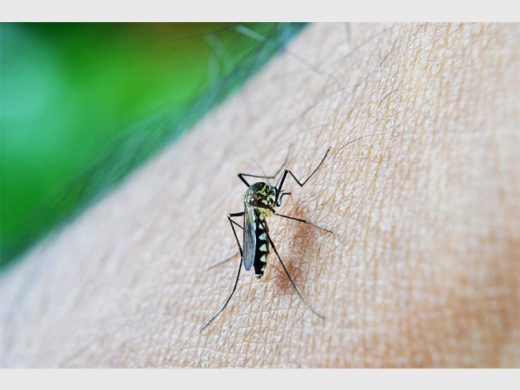
2. Don’t let malaria put a sting in your festivities
In South Africa, there is malaria risk throughout the year, but the season peaks from September to May.
High-risk areas include north-eastern KwaZulu-Natal, parts of Mpumalanga and Limpopo.
Travellers to the celebrated Kruger National Park and those visiting their families in these areas are encouraged to take anti-malarial medicine and should practise mosquito-avoidance measures, including applying mosquito repellent, covering beds with insecticide-infused nets and wearing long trousers and sleeves after sunset, to name a few.
Symptoms can present from 10 days to four weeks after infection, and those displaying signs of fever, chills, headache, fatigue, diarrhoea, vomiting and muscle pains should seek immediate medical attention before the condition worsens.
3. Tick bites tick the wrong boxes
Tick bite fever is a bacterial infection caused by tiny bacterial organisms called rickettsias.
Two types of tick bite fever occur throughout sub-Saharan Africa and South Africa. Mediterranean spotted fever-like (MSF-like) is transmitted by dog ticks and is often severe, whereas the usually milder type African tick bite fever (ATBF) is transmitted by cattle and game ticks in rural farming and game reserve areas.

Those at risk include individuals who hike, camp or work in bush areas.
Infected individuals usually get sick five to seven days after being bitten and early symptoms include severe headaches, fever, body pains and nightmares.
An inflamed dark brown or black scab spot, an ‘eschar’ can develop anywhere on the body and may go unnoticed or be misdiagnosed.
For that reason, individuals who seek medical attention should disclose their recent travel history.
Tick bites can be prevented by insect repellents containing a chemical called DEET, which is found in products like Peaceful Sleep® and Tabard®.
4. Don’t let travellers’ diarrhoea cause a stink
A common illness amongst travellers during the festive season is diarrhoea, caused by ingesting bacteria, viruses and protozoa that are typically transmitted through poor hand and body hygiene.
These gastrointestinal infections normally occur when individuals eat raw or undercooked meat and dairy products, drink contaminated water or unknowingly ingest faecally-contaminated food.
When consuming food, individuals should be mindful about what they eat and where they eat, as unhygienic practises of food preparation and storage can put you at risk.
Freshly-cooked, hot food is always the safest.
Reducing risk is simple by washing your hands with soap and water before food preparation, before consuming food, and after bathroom use.
A sanitiser that contains at least 60 percent alcohol is an acceptable alternative should water and soap not be available.
If symptoms of vomiting or diarrhoea start, be mindful to increase your fluid or electrolyte intake to avoid dehydration.
5. Rabies, not man’s best friend
Rabies is a zoonotic disease caused by the rabies virus that is transmitted in the saliva of rabid animals to humans, usually in the form of a bite or scratch.
Domestic dogs are the most common carrier of the virus, with more than 99 percent of human deaths caused by dog-mediated rabies.
There are two clinical manifestations of rabies, paralytic and furious, with the latter being more prevalent in human cases.
There is no specific treatment for rabies and once symptoms appear in humans, it is nearly always fatal.
However, the condition is avoidable if prompt action is taken and individuals who have been exposed to suspected or potentially rabid animals should seek immediate medical attention.
Symptoms include fever, headache, excess salivation, muscle spasms, paralysis and mental confusion. Prevention measures include vaccinating domestic animals against rabies and avoiding contact with stray and wild animals.
Source: National Institute of Communicable Diseases
HAVE YOUR SAY
Like our Facebook page, follow us on Twitter and Instagram