Wetlands restoration attracts frogs
Wetlands provide free goods and services to the planet, slowing flood pulses, keeping water upstream longer, cleaning pollutants and silt while creating a habitat for various fauna and flora.
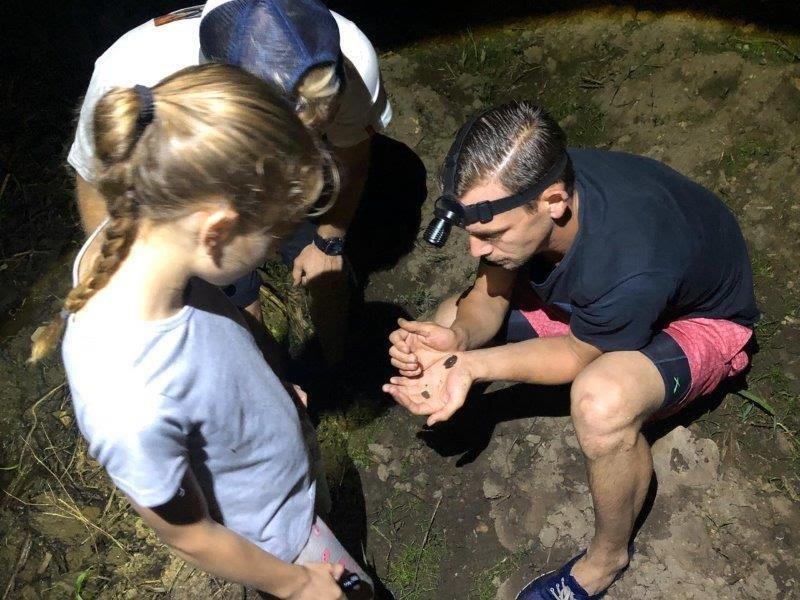
In celebration of the recent World Frog Day, developers of Renishaw Hills, in partnership with the Department of Environmental Affairs (DEA), guided by environmental consultants from SiVEST, worked on restoring the natural wetlands within the Mpambanyoni Conservation Development – a natural habitat for many frog species.
“The drive behind the development of Renishaw Hills and surrounding developments is to create a nature-based estate that works in harmony with the environment,” explained Phil Barker of Renishaw Property Developments.
“A major part of this was reverting the agricultural land back into its indigenous form, thereby attracting the naturally-occurring plant, animal and birdlife to the region.”
Wetlands provide free goods and services to the planet, slowing flood pulses, keeping water upstream longer, cleaning pollutants and silt while creating a habitat for various fauna and flora.
Although this project is still ongoing, the results are already visible to residents from Renishaw Hills and surrounds, with clear water running, and plant and animal life thriving as biodiversity increases.
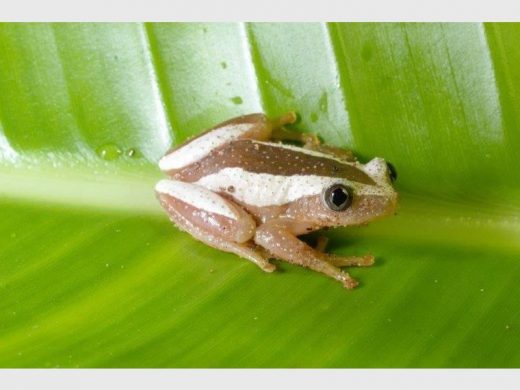
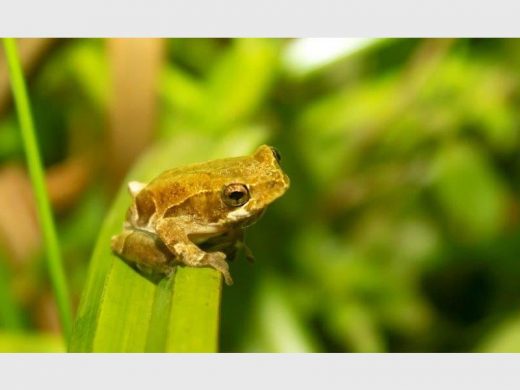
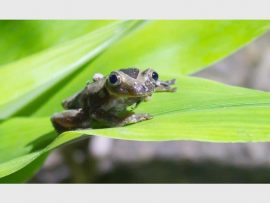
Among these are the wetland frogs, including the bubbling kassina, water lily frog, greater leaf folding frogs, snoring puddle frog, Natal tree frog, Tinker reed frogs, painted reed frog and guttural toad, among others.
Without the restoration and preservation of such wetlands, these species of frogs can go extinct.
HAVE YOUR SAY
Like the South Coast Herald’s Facebook page, follow us on Twitter and Instagram