Umzimkulwana Shri Siva Soobramoniar Temple – a historical religious monument still going strong in Langalibalele
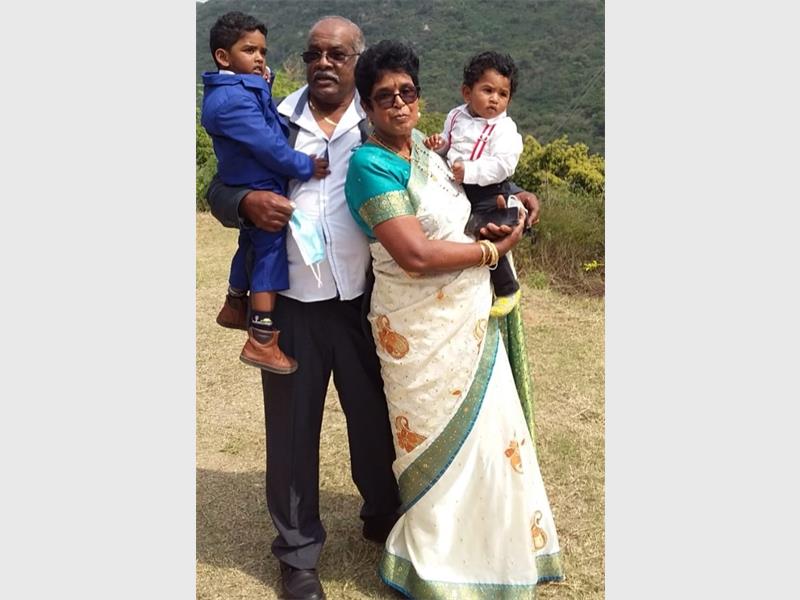
The wedding took place at the historical Umzimkulwana Shri Siva Soobramoniar Temple in the Langalibalela rural area, about 15 kilometres west of Port Shepstone.
When our ancestors were brought down from India to work as sugarcane indentured labourers in the former Natal Colony from 1860 to the early 1900s, they settled in a number of sugar estates and settlements on the north and south coasts of the region.
Recently I found myself in one of the rural areas where they had settled on the KwaZulu-Natal South Coast when attending the wedding ceremony of a fourth-generation family member on Sunday, September 4, 2021.
The wedding took place at the historical Umzimkulwana Shri Siva Soobramoniar Temple in the Langalibalela rural area, about 15 kilometres west of Port Shepstone.
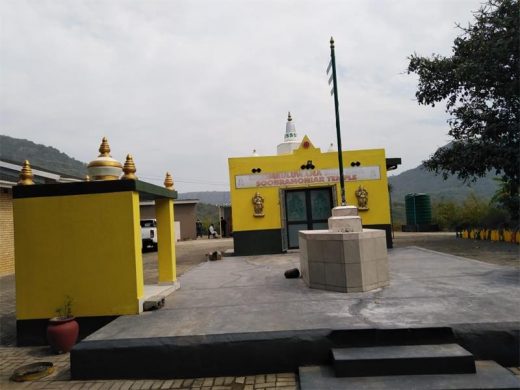
I became interested in the history of the temple and the people who had settled in Langalibalela when I found that the temple was built in 1939. Speaking to some of the former residents and current officials who were at the temple, I found that Indian-origin people had settled in the area since the early 1900s as farmers. Many of them had also worked in the nearby lime factory.
From the 1920s to the 1970s there were nearly 100 Indian-origin families in the area.
But since the early 1970s, most of the Indian-origin people had moved out and re-settled in Port Shepstone, other areas on the South Coast, in Durban, Johannesburg and other parts of South Africa.
There are now only two Indian families living in the area. One person, living in Port Shepstone is engaged in farming in the district.
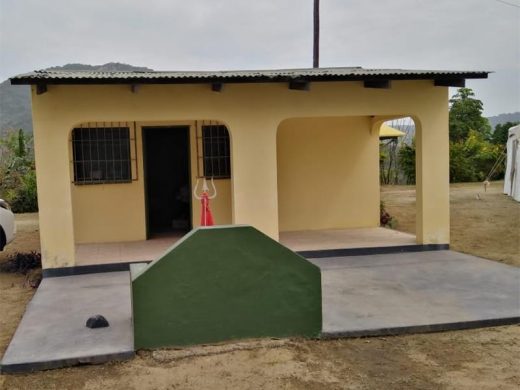
The temple was originally a small one room, wood and iron hut, when built 82 years ago. Today the original temple, which was re-furbished into a brick building, is still in existence but a new larger temple was also built next to it about 30 years ago. The temple officials have also built a hall for weddings and other functions.
The main festival, however, is the annual Kavady ceremony which is held in January every year. Another Kavady ceremony is also held during April annually. The Kavady ceremonies attract participants from Port Shepstone and also some former residents who are living in Durban, Johannesburg, and other parts of the country.
The current chairman of the temple, Deven Govender told me that they did not hold the Kavady ceremonies for the past two years because of the Covid-19 pandemic. But they are hoping that they would be able to hold the religious ceremonies once again next year.
“The Kavady ceremony is a vibrant occasion that attracts participants from Port Shepstone, Durban and Johannesburg. It brings back memories of the rich history of our ancestors who lived and farmed in this area,” he said.
The Indian-origin people first settled in this distant rural area since the early 1900s and earned their livelihood as farmers and market gardeners. They used to travel to markets in Port Shepstone and Durban to sell their goods
Some of the pioneers of the area were Perumal ‘Rokard’ Govender and his wife Unamalla, and their large family of 12 children – seven boys and five girls; Manickum ‘Zoy’ Naicker, his wife Janaki and their seven children of five sons and two daughters; Palish Naicker; Gundaan Naicker; Appalsamy Naidoo; Kaniappan Pillay; and Nadas Subramoney Naicker.
Perumal Govender who was born in Tamil Nadu, India arrived in the Port Shepstone area with his mother when he was just six-months-old. At the age of three, the young Govender boy joined his family in the early 1900s to move to Langalibalele. He lived all his life in this farming area and continued to reside here even after marrying his wife, Unamalla.
Perumal Govender and the other pioneers were not only culturally and religiously conscious but also ensured that their children attained some education. They built a primary school for their children. Those who finished their primary education travelled to Port Shepstone to attend high school.
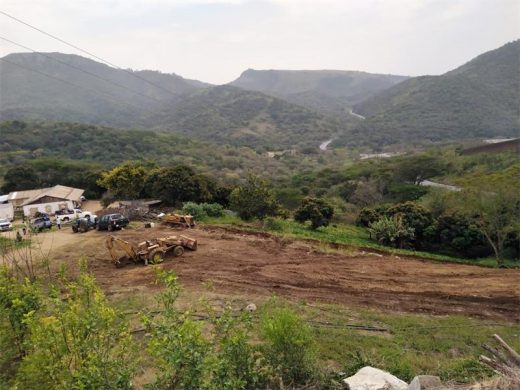
The primary school building, which is still intact had been in existence for more than 50 years and only closed down after the families began to move out and re-settle in Port Shepstone and other areas in the 1970s.
Manickum ‘Zoy’ Naicker, another pioneer, was also a Tamil school teacher at the temple. He made this contribution to the community for more than five decades. He only stopped teaching Tamil after they were given notice to quit the land they farmed after the owner sold his property to the National Portland Cements (NPC) company.
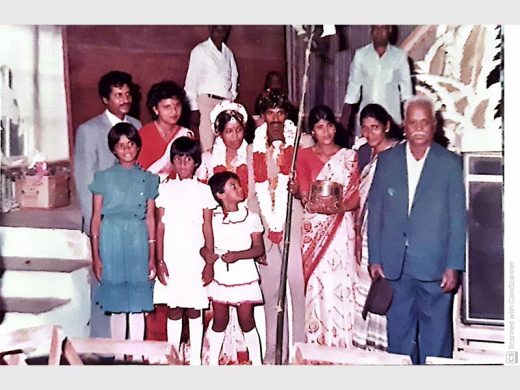
The marriage ceremony that I attended at the temple involved one of Mr Naicker’s grand-daughters, Nelo who followed in the footsteps of her father, Nanda Naicker who also married at the temple more than 35 years ago. The descendants of the Naickers and the Govenders still continue to help in the operation of the temple along with younger members of other families. They also travel from Port Shepstone to Langalibalele on a weekly basis to clean and prepare the temple for weddings and other functions.
One of the sons of Perumal Govender, Soobry Govender who lives in Port Shepstone, said growing up in Langalibalele was a joy to be remembered despite the tough living conditions.
“I know our parents worked very hard in the fields to ensure that they provided food for the large family,” he said.
In addition to the primary school, he said, the local temple was also used as a place for children to attend pre-primary classes and for the teaching of Tamil. “During our spare time and at weekends, we, as young boys, used to go fishing in the nearby river and also do hunting,” he said.
In the early days when he started work at the Umzimkulu Sugar Mill in Port Shepstone, he used to walk more than 25km daily from Langalibalele to work. He left home in the early hours of the morning and walk through several rural areas to reach Umzimkulu Sugar Mill. He returned home only late in the evenings. This kind of life was also common with other younger members of the community.
He and his fellow brothers, sisters and other community members started to move out of Langalibalele in the early 1970s after the owner of the land, Mr G Mungaroo, gave them notice to leave. Mr Mungaroo had been forced to sell the land to the NPC, which had opened two factories in the area.
“We miss our early lives because we all lived like one big family. We had no problems. Only now we are experiencing all kinds of issues,” said Soobry Govender.
The Umzimkulwana Shri Siva Soobramoniar Temple is one of three temples still in operation in the rural areas of Port Shepstone. The others are the Shri Siva Soobramoniar Temple in Umbango and the Amsongis Temple in St Faiths. Another historical temple, Masnge in Oatlands has ceased to operate because no people of Indian-origin reside in the area anymore.
Written by Subry Govender – veteran political journalist
HAVE YOUR SAY
Like the South Coast Herald’s Facebook page, follow us on Twitter and Instagram