Voters in Ugu have their say
Some 241 663 people voted in the Ugu district from all four local municipalities.
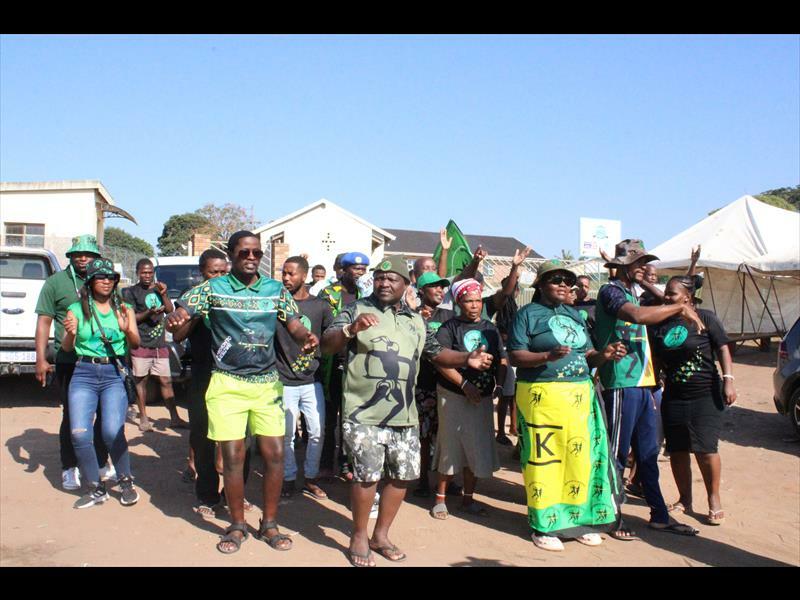
Now that the general elections are over, people are expecting to see new faces and changes provincially and nationally.
With the MK party leading in KwaZulu-Natal, social media and other platforms have been buzzing with joy and disappointment.
Some 241 663 people voted in the Ugu District from all four local municipalities.
MK had leading results in all these municipalities.
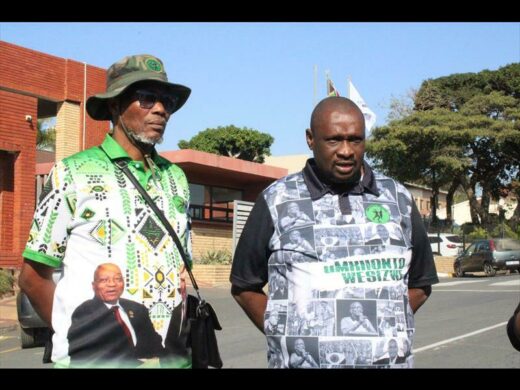
In Ray Nkonyeni Municipality the MK led by 42.84% (50 177) followed by the ANC with 24.92% (29 187) then the DA sitting at 18.10% (21 204) and the IFP with 7.5% (8 811).
In Umzumbe Municipality the MK led by 39.69% (18 848) followed by the ANC with 27.89% (13 244), then IFP 27.34% (12 985) and EFF at 1.50% (711)
In Umdoni Municipality the MK led by 45.33% (21 839) followed by the ANC 22.44% (10 813) then the DA 16.26% (7 832) and IFP 10.5% (4 841).
In Umuziwabantu Municipality MK led with 41.30% (11 562) followed by ANC 33.09% (9 264) then IFP 13.24% (3 705) and EFF 4.22% (1 181).
After local governance was established in 2000, the IFP ran Ugu until 2006, which was then followed by the ANC.
The Herald spoke to a few people about the outcome.
Thando Gumede, who was unable to vote due to Section 24A (as she was not registered in the area), said she was disappointed because she wanted to make her vote count.

However, she is happy that the people in her community stood together and voted for change.
Cedric Mboyisa said that people need to understand that coalition governments are formed when there is no 50-plus-one governing party.
“In this situation, parties have no choice but to join hands in forming a government. South Africa is teeming with diversity, hence different ideological preferences. Therefore, ideology is also a factor when parties decide who to go into coalition with. However, in some instances, the issue of divergent ideologies is suspended for the benefit of the country.”

The question now is, what’s next? As these were national and provincial elections nothing much will change in the local municipalities until the next local elections in 2026.
HAVE YOUR SAY
Like the South Coast Herald’s Facebook page, follow us on Twitter and Instagram