Umbango River needs urgent help
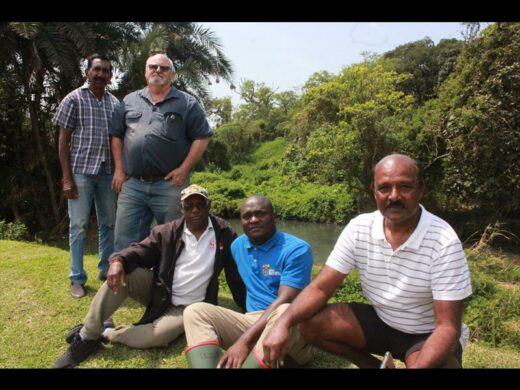
The Umbango River Conservancy is asking Ugu for permission so the volunteers can clean the river.
The Umbango River Conservancy is challenging any government official to drink a glass of water from the Umbango River.
The challenge comes as concern mounts over the poor water quality.
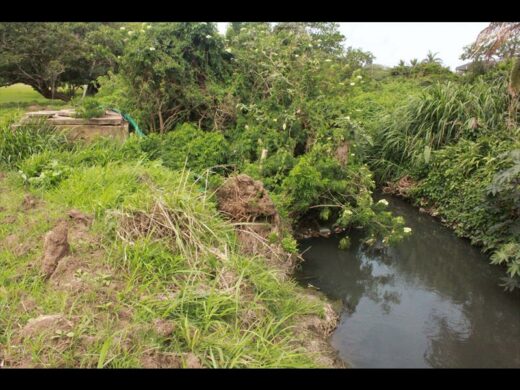
The colour of the river, which runs through Port Shepstone, has been a toxic-looking black in the last few months.
Residents who live nearby have complained bitterly about the unbearable stench.
Over the years, the Herald has written many articles on how the river and its wildlife have suffered from a dysfunctional sewage plant.
Journalists have sent endless emails to Ugu District Municipality in an attempt to resolve the pressing problems of collapsed or unmaintained infrastructure, contamination or poor management of water resources.
The situation has not improved, and the river is now in a poor state.
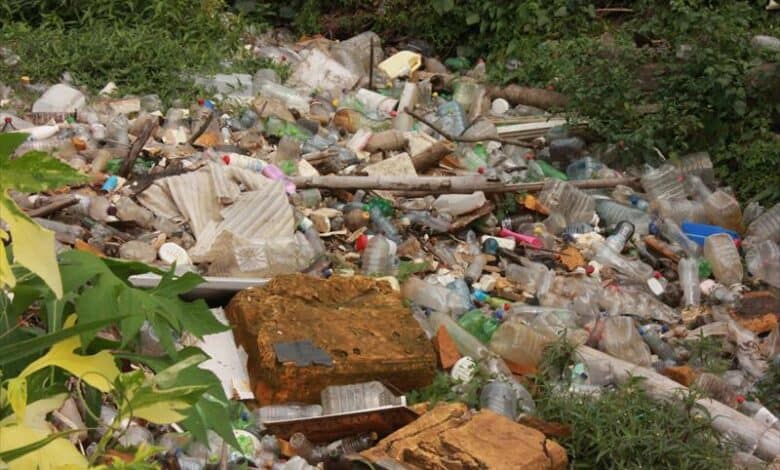
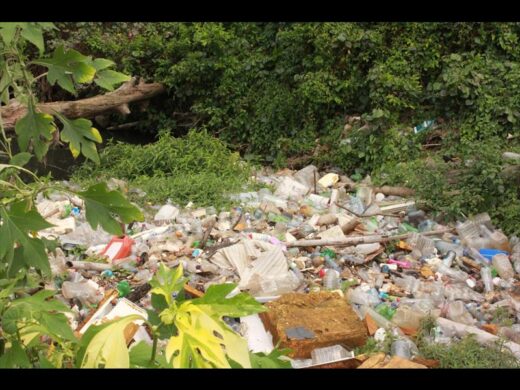
A walk upriver revealed an enormous pile of rubbish in the river.
A meeting was held two weeks ago with members from the conservancy and Sphelele Ngcobo from the Department of Water Affairs, which highlighted the desperate need for urgent intervention by Ugu and other provincial departments.
Despite enquiries being sent to Ugu, no response has been received.
“The situation at Umbango River is dire as the pump house at the Borough Grounds has been vandalised, and sewage is flowing directly into the river. The conservancy cannot fight Ugu alone, and we need community support,” said the chairman of the conservancy, Morgan Naidoo.
The conservancy is now asking Ugu to give them permission to clean the river.
Jan Breytenbach, whose business is situated next to the river, says the stench is unbearable on most mornings. He strongly feels his health is suffering from the toxic stench that he breathes in every day.
“I was never sick until I opened my business here a few years ago. We see sewage floating in the water almost every morning,” he said.
Naidoo added that he is proud of his town and found it difficult to accept the deterioration of this natural resource that (many years ago) was in a pristine condition.
HAVE YOUR SAY
Like our Facebook page, follow us on Twitter and Instagram