Be aware of the dangers of rip currents
Untrained people should only go into the water to help if they are strong swimmers and have flotation.
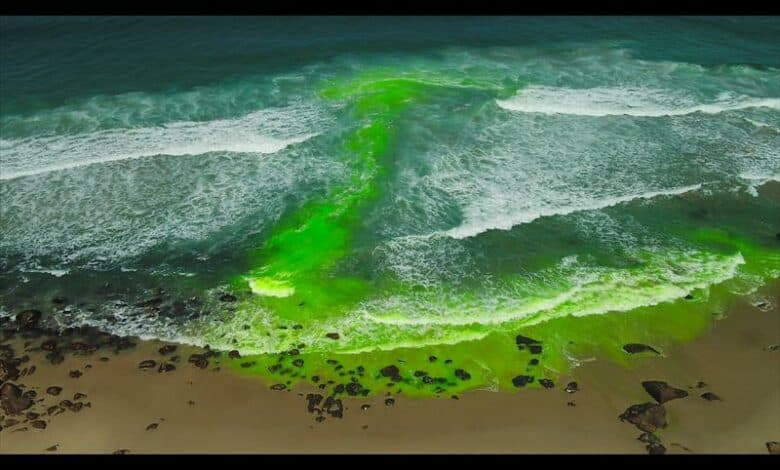
Do not become a rip current casualty. Swim at lifeguarded beaches.
On average, 56 people drown because of rip currents in South Africa each year. Rips are the most significant danger visitors to our beaches face.
NSRI’s top tips for avoiding rips and staying safe as the holidays start this season is visiting a beach where and when lifeguards are on duty.
– Alcohol and going into the water should be avoided at all costs.
– Swimming after consuming alcohol puts your life at significant risk.
– Alcohol compromises your judgment, lessens your ability to cope with cold water, reduces your ability to stay afloat and reduces your ability to concentrate. If parents or caregivers are looking after children in or near water, drinking alcohol will reduce their ability to be able to help their children if the need arises.
– Supervision of children is critical. Drowning is silent. There will not be any shouts for help or splashing.
– If someone is starting to drown, often they will quietly slip under the water without making any noise.
– Parents should take responsibility for their children and be at arm’s length from them when in the water.
Most people need help to correctly identify dangerous or rip currents at beaches. Lifeguards can keep you safe between their flags – so rather go into the water there.
Rip currents are powerful, narrow channels of fast-moving water that flow away from the shore, posing a significant danger to beachgoers.
They typically form where waves break over sandbars or reefs, creating localised water movements that pull swimmers out to sea.
Rip currents can reach almost three metres per second, making them faster than an Olympic swimmer.
They develop when waves push water towards the shore, raising the water level.
This excess water then seeks to return to the ocean through the path of least resistance, often forming a current through gaps in sandbars or other underwater features.
Several visual cues identify rip currents:
– Darker water indicates deeper channels where waves do not break.
– Gaps between waves mean areas where fewer or no waves are breaking, which can signal a rip current.
– Choppy surface: A distinct channel of turbulent water surrounded by smoother areas.
Rip currents are the leading cause of rescues by lifeguards at beaches.
They do not pull individuals under the water but can quickly drag them away from the beach.
Panic often leads swimmers to swim against the current, which can result in exhaustion and drowning.
If caught in a rip current, it is crucial to remember to stay calm.
Do not panic; conserve energy by floating.
Swim out of the current. Instead of swimming directly back to land, swim sideways to escape the current’s grip.
Signal for help by raising your arm and shouting for assistance if needed.
If you see someone who needs help in the water, call a lifeguard or the NSRI for help. (112 is a free call from your cell phone, or contact the NSRI Emergency Operations Centre on 087 0949774).
Try to throw something that floats to the person who needs help.
Untrained people should only go into the water to help if they are strong swimmers and have flotation. An NSRI Pink Rescue Buoy or surfboard is a good example of floatation.
Interestingly, since the Pink Buoy project started in late 2017, 130 people, in 100 instances, were rescued with a Pink Buoy because of rip currents.
NSRI EMERGENCY: 087 094 9774
HAVE YOUR SAY
Like the South Coast Herald’s Facebook page, follow us on Twitter and Instagram