Home gardens create independent farmers
Mtwalume's Zandile Shinga earns R1250 a week from selling green peppers and chillies to her neighbours.
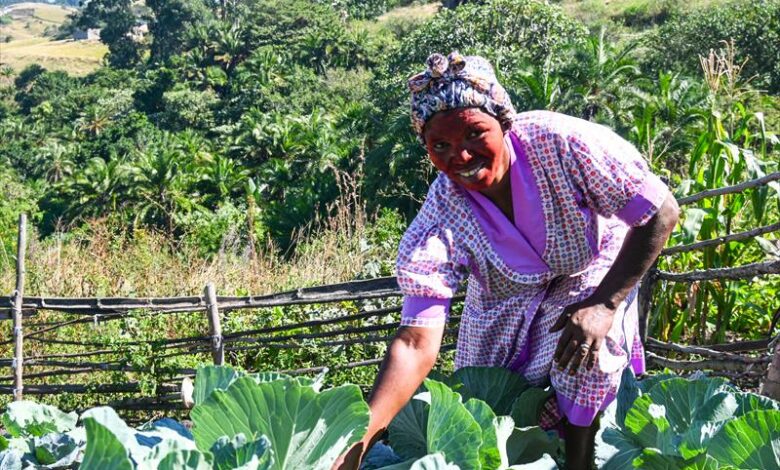
Zandile Shinga (51) from ePlazini in rural Mtwalume, used a small plot of land in her garden as a shield against the country’s current cost-of-living crisis.
Shinga earns R1250 in a single week from selling green peppers and chillies to her neighbours. She also no longer relies on paying for vegetables to feed her family fresh produce.
Shinga joined rural development non-profit Thanda’s Household Gardening Programme in 2023, and farming has helped her become independent.
“The garden feeds my family, and when I have extra produce to sell, I can earn money for things my daughter needs, like school uniforms and stationery. It has made a real difference in our home,” she explained.
Thanda notes that when income and grant pay-outs cannot meet basic food basket needs, the quality and diversity of diets drop first.
Angela Larkan, executive director and co-founder of Thanda said that when households have steady access to diverse, nutritious foods, they are better able to support healthy pregnancies and early childhood development. But when household budgets stretch to the limit, families often have zero room left to absorb market shocks.
“Home-grown food is no longer a hobby; it is a critical necessity for survival,” said Larkan.
Thanda launched its Household Gardening Programme to help families supplement their access to quality nutrition. By training residents in low-cost regenerative practices like composting, mulching, and seed-saving, the programme focuses on self-sufficiency and resilience.
Thanda continues to look for additional layers of insulation against household-level food volatility by training over 650 household gardeners in growing protein-rich foods in their garden, proving that self-grown food can substitute for missing spending power.
“As global and national economic pressures remain unpredictable, Thanda is calling for a shift toward household-level food production as an essential tool for long-term national resilience and systemic change.”
HAVE YOUR SAY
Like the South Coast Herald’s Facebook page, follow us on Twitter and Instagram