Three generations of African penguins offer a whisper of hope
The legacy lives on after grandmother, Pepper, was rescued on the South Coast four decades ago.
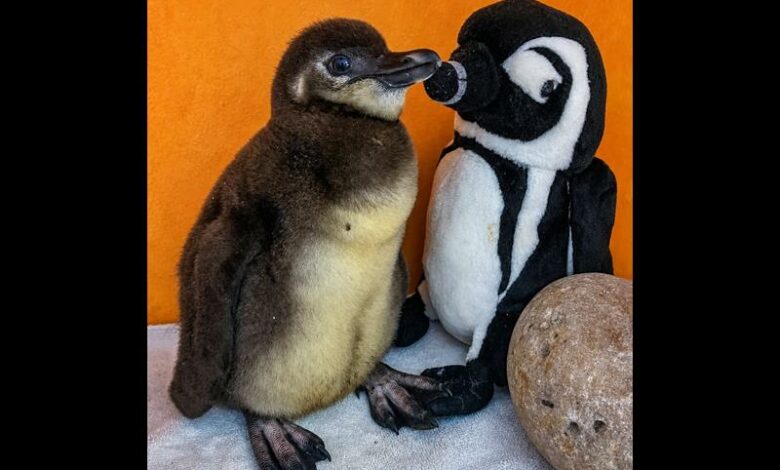
A tiny African penguin named Whisper is carrying on a remarkable family legacy that began with her grandmother, Pepper, who was rescued on the South Coast more than 40 years ago.
Whisper, the newest member of the African penguin family at Sea World, is now just over a month old and weighs 1.9kg.
She emerged so quietly from her egg that she lived up to her name from her very first moments. During a routine nest check, the animal care team found her safely tucked beneath her parents, Elmer and Rascal.
Whisper has since ventured out of the nest and can often be found cuddled up beside a fluffy penguin toy named Teddy, which is almost as tall as she is.
But her story began long before she hatched.
Whisper is the granddaughter of Pepper, a much-loved rescued African penguin who arrived at Sea World in 1985 after being found stranded on the KZN South Coast by Natal Parks Board officer Abie Erasmus.
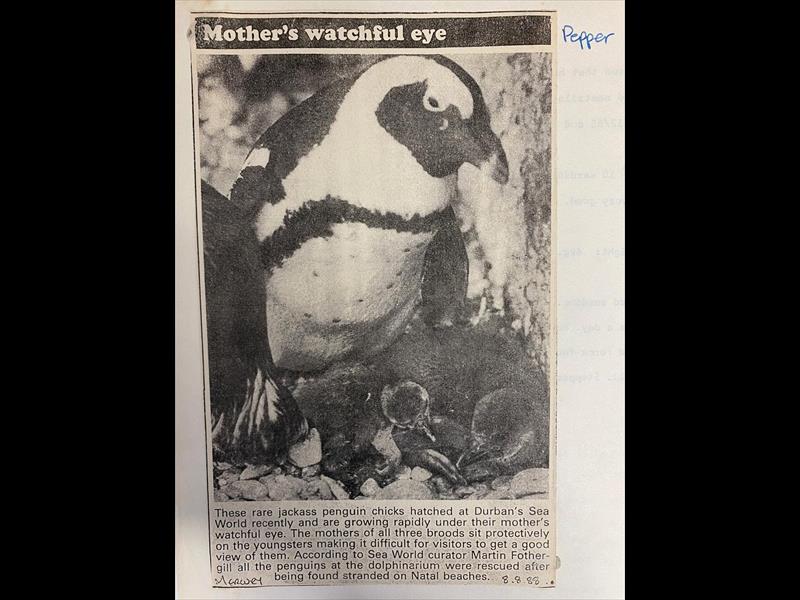
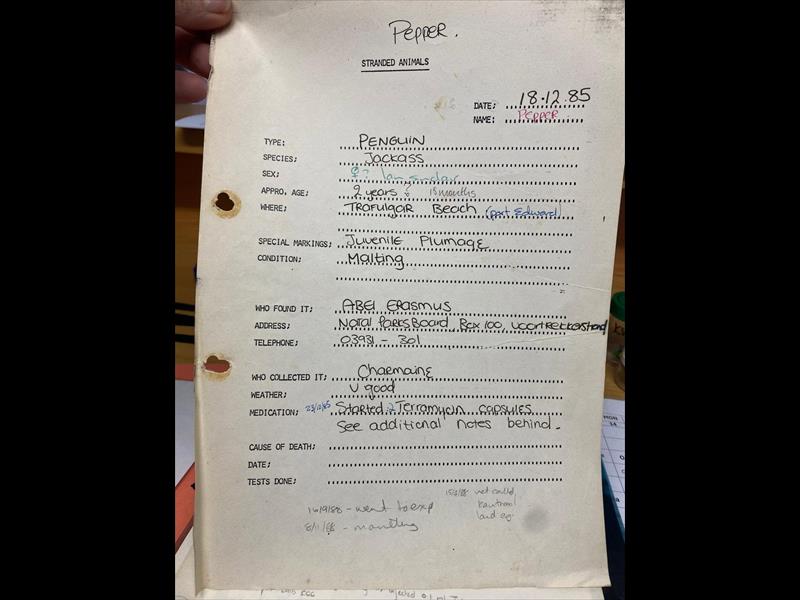
Information recorded at the time provides a fascinating glimpse into Pepper’s early history.
A stranded-animal record dated December 18, 1985, records Pepper as a female African penguin, then referred to as a “Jackass” penguin, and estimates her age at two years and nine months.
She was found at Trafalgar Beach near Port Edward and was recorded as being in juvenile plumage and moulting.
Pepper went on to become an important part of Sea World’s African penguin population and raised several strong, healthy chicks.
Among them was Rascal, Whisper’s mother, who hatched at Sea World 26 years ago.
Today, the family resemblance is already noticeable, with the animal care team observing that Whisper appears to have inherited her grandmother’s distinctive little waddle.
The three generations provide a particularly meaningful link for SAAMBR, which has a long history of caring for and conserving marine species, including African penguins.
Ann Kunz from the South African Association for Marine Biological Research said today the African penguin is critically endangered in the wild.
“Every chick therefore represents something precious: another link in a carefully managed conservation population and another reason to remain hopeful for the future of this species.”
The African penguins in human care are included in an important regional studbook, which assists accredited conservation organisations with responsible breeding decisions, maintaining genetic diversity and sustaining a healthy assurance population for the future of the species.
The penguins in human care can also live well beyond the average life expectancy of their wild counterparts. They receive nutritious food, specialised veterinary and husbandry care, protection from predators and environmental threats, and habitats designed to meet their physical, behavioural and social needs throughout their lives.
“It is always a privilege to care for these extraordinary birds,” said Assistant Curator of Mammals and Birds Kelly de Klerk. “Whisper connects us to Pepper’s remarkable story and represents a new generation of hope. We look forward to watching her grow and play her own part in the future of African penguins.”
From Pepper, the rescued penguin found on the South Coast in 1985, to Rascal and now little Whisper, three generations have created one special family story.
For an endangered species, Whisper represents something much bigger than a new arrival: another link in a conservation population and another reason to hope for the future of African penguins.
HAVE YOUR SAY
Like the South Coast Herald’s Facebook page, follow us on Twitter and Instagram