What is it going to take to bring politicians closer to the people they represent? It would seem the gulf between the elected and the electorate seems to be widening all the time. Except for the period preceding elections, when those looking for election or re-election actively seek out opportunities to
‘press the flesh’ and ‘kiss the babies’, they appear to be a rare breed.
ALSO READ : Good Business Basics: Services MUST be paid for
Self-importance
As Ranjeni Munsamy points out in her column in the Sunday Times this week, ‘something truly strange happens to people when they are elected to political office. They assume an inexplicable sense of self-importance’.
Self-importance breeds a culture of entitlement, as she comments further, ‘They feel entitled to dash around in blue light brigades and literally feed off the state’. This distance also informs the way they react to issues: we have all seen the coverage of MECs or ministers descending in force to scenes of violence or accidents with their entourages, proffering the usual platitudes and promises of improvements.
Repetition
There is little pro-activity evident in the running of ministries or departments, which explains why incidents repeat themselves, be it the carnage evident on our roads, or poor care delivered by our health services at hospitals or clinics.
The perks of political office, and the opportunity to board the ‘gravy train’ have enticed a different class of people to seek elected office.
The proportional representation system we use to determine the make-up of our governments is also a contributing factor, with the ‘party mandarins’ essentially determining who represents who.
Forget the myth of branches influencing the appointment of local representatives, as years of conflict within the ruling party in this arena have shown. Notwithstanding the fact that MPs are paid allowances to maintain constituency offices in the areas they represent, the existence of these is very much the exception rather than the rule.
Gravy train
Further, parliamentary and council recesses are meant to allow public representatives the time to interact with their constituencies, but it is not uncommon for most of these periods to be consumed by ‘party activities’ not related to this.
This class seems more inclined toward the fulfilment of their own goals and aspirations, rather than the upliftment of the communities they ostensibly claim to represent.

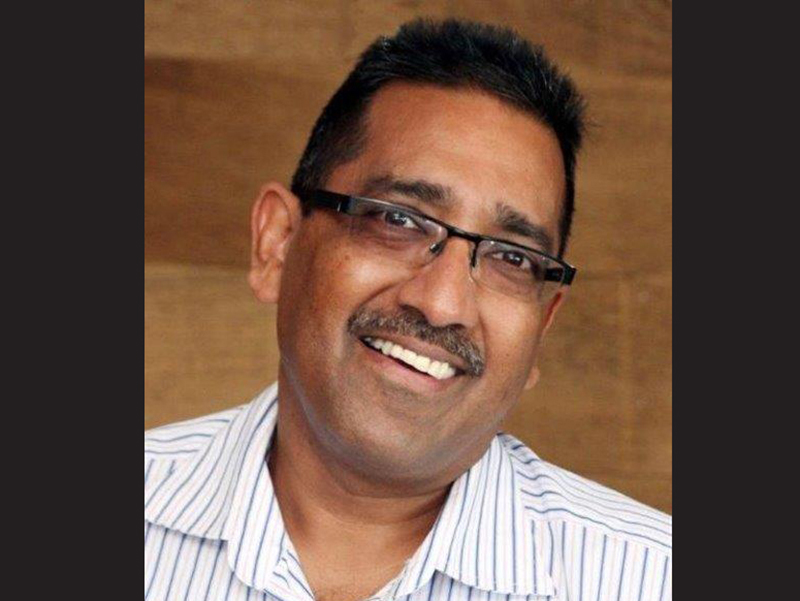
After matriculating, Vijay Naidoo studied Economics in the UK. Upon his return, he joined the family construction business as MD for 10 years.
He subsequently joined his sister in their furniture manufacturing business as director for quality assurance and operations. He was responsible for all quality aspects of their products, and led the project to the business achieving an ISO 9000 quality accreditation. As an export focused business, this was important for our international competitiveness.
Mr Naidoo has an abiding interest in quality management and productivity improvement, particularly in manufacturing.
More recently, he has focused a lot of his time on giving back to the community by way of mentorship of small businesses and sitting on the executive of the South Coast Chamber of Commerce. He also sits on the Board of the Ugu South Coast Development Agency.
HAVE YOUR SAY
Like the South Coast Herald’s Facebook page, follow us on Twitter and Instagram
To receive our FREE email newsletter, click HERE