Barriers to making lifestyle changes
Last week we wrote about how Lifestyle Medicine promotes behavioural changes that can improve our health dramatically, even to reversing many of the disease that are causes of premature death and disability. If it is true that we can “add years to our life, and life to our years” to quote a well known saying of College of Lifestyle Medicine ex president, Dr David Katz, why are we not all flocking to adopt these changes? Why is it so difficult to change?
ALSO READ : Turning the Tide – Getting back to basics (No 2)
There are various factors:
- Lack of knowledge about the benefits of change. Unfortunately many people have never heard, or perhaps couldn’t be bothered trying to learn more about improving their health. This even goes for doctors and nurses who find no incentive to change – after all the status quo provides a good source of work and steady income. This would explain why very few cardiologists offer their patients serious lifestyle change options. It is so much easier to just offer stents or bypass surgery (not that these two operations are not lifesaving in certain circumstances), even though significant lifestyle changes provide better long term outcomes. https://jamanetwork.com/journals/jama/fullarticle/188274
- Culture plays a large role. I remember chatting to one of my dietician colleagues some time back, who said South Africans are far too attached to their braai’s and beer to be willing to change to healthier options. And it is true when speaking to my patients about cutting back on a heavy meat-laden diet – the thought of reducing one of their favourite foods, which is seen as one of the main benefits of social progress, is met with distress. People would rather forego health than adopting a healthier diet.
- The perception that a healthy lifestyle is for “tree-lovers”, “sissies” and “weirdo’s”. And yet some of the best athletes and sports stars have adopted a healthy diet and lifestyle, and find that in fact their athletic and sports prowess has significantly improved. See this link to a trailer of “The Game Changers”, a new documentary just released last month. Here is another TED video by ex-fire-fighter, and triathlete Rip Esselstyn.
- Societal norms. If your family and your friends all routinely eat fast foods, junk food snacks and drink “Coke”, you are less inclined to even consider healthier changes.
- An attitude of fatalism. “We all have to die, so I may as well enjoy myself in the mean time!”. Many people believe that their genes determine their health future, and nothing is going to alter that. However there is abundant evidence that we can in fact change gene expression by changing our lifestyles – a whole new area of research called epigenetics.
- Media messages. We are all exposed to advertisements and subliminal influences that affect our choices and beliefs. The media, as mentioned last week, thrives on controversy and fear – it sells better than uncomfortable news about the need to change. And the “best news” is that our feelings of guilt for not changing our bad habits is unwarranted, because some “new” scientific study disproves well established restrictive lifestyles!
- Most people are resistant to change. It takes effort and courage to face unknown paths – it is just so much easier to bumble along on the well-worn familiar path to which we are so accustomed, no matter what the outcome.
- Lack of practical help in making transitions. We may have strange ideas about a plant-based diet consisting of eating only salads, and tasteless food, and feeling lethargic and looking pale. Unfortunately there are some health advocates who do present that prototype. You may need to find a health coach who can help in the transition by showing you practically how to change to a delicious plant-based diet; or get into an enjoyable exercise programme; or find someone who can help you to de-stress.
Another way of looking at barriers to change is what are called the Levels of Influence on Health Behaviour Change:
- Intra-personal factors. This relates to our own knowledge, attitudes, beliefs about what causes disease, and how we can improve our health. It is also affected by our personality – whether we are outgoing and eager to try new things, or whether we are resistant to change.
- Inter-personal factors. This relates to the influence of family (including our children and spouse and parents), friends, peers and especially our health providers. For instance if your doctor tells you your diabetes is with you for the rest of your life and cannot be cured, only managed, you are less likely to pursue lifestyle changes to reverse it.
- Institutional factors. It can be tough to get institutions, like schools, the army, police services, hospitals or any large organisations to introduce healthier dietary options.
- Community factors: social networks – such as our friends and peers and their habits; norms which exist in our communities.
- Public policy factors. These refer to national guidelines and policies. Thankfully these are changing but many are still very old fashioned, and have not kept up to the wealth of research that promotes healthier lifestyle. These policies and guidelines have also been heavily influenced in many cases by powerful political lobbies and business interests. For instance, see how much opposition the anti-smoking campaigns, and the sugar-reduction campaigns have faced from vested interests.
Here are some interesting video clips or documentaries that show the possibilities of dramatic changes to our health through lifestyle factors.
Unfortunately the quality of reproduction of this video is quite quite grainy, but still very worthwhile the time taken to watch it – called “The Last Heart Attack” by CNN’s Dr Sanjay Gupta (no connection to the infamous Gupta’s from South Africa).
Here is to hoping that you can overcome some of these above barriers to addressing life-saving interventions – to longevity and vitality.
Dave Glass
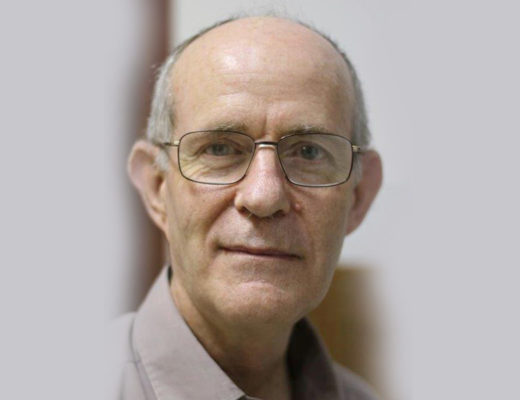
Dr David Glass graduated from UCT in 1975. He spent the next 12 years working at a mission hospital in Lesotho, where much of his work involved health education and interventions to improve health, aside from the normal busy clinical work of an under-resourced mission hospital.
He returned to UCT in 1990 to specialise in obstetrics/gynaecology and then moved to the South Coast where he had the privilege of, amongst other things, ushering 7000 babies into the world. He no longer delivers babies but is still very clinically active in gynaecology.
An old passion, preventive health care, has now replaced the obstetrics side of his work. He is eager to share insights he has gathered over the years on how to prevent and reverse so many of the modern scourges of lifestyle – obesity, diabetes, ischaemic heart disease, high blood pressure, arthritis, common cancers, etc.
He is a family man, with a supportive wife, and two grown children, and four beautiful grandchildren. His hobbies include walking, cycling, vegetable gardening, bird-watching, travelling and writing. He is active in community health outreach and deeply involved in church activities. He enjoys teaching and sharing information.
HAVE YOUR SAY
Like the South Coast Herald’s Facebook page, follow us on Twitter and Instagram
To receive our FREE email newsletter, click HERE