What do you do when you are a leader of a province of a country and you are told that the incidence of death from heart disease amongst men in your population is the highest in the world? Many men are dying in their forties – with devastating effects on families as well as the economy. For most MECs, the problem would be handed over to the department of health to try to establish better facilities, better trained doctors, better medicines or medical interventions. But in Finland’s North Karelia Province, a much more imaginative intervention was tried. The provincial leaders came together and decided that this was a crisis, and implored the national government to intervene.
In 1972 the Minister of Health appointed a 27 year old Public Health researcher and activist by the name of Pekka Puska. Puska had been influenced by the work of British epidemiologist (student of population disease patterns) by the name of Geoffrey Rose, who had shown that preventing disease was far more cost effective than expanding health facilities. Rose had shown conclusively that reducing blood pressure and dropping blood cholesterol even by small amounts had profound influence on reducing premature mortality.
ALSO READ : Turning the Tide – Lifestyle Medicine and Norway
What researchers discovered about the causes for the high incidence of heart disease in North Karelia province were the following:
- Army recruits among the lumberjacks (woodcutters) in the forests of Finland had become soldiers in the second world war.
- After the war, veterans were recompensed by being given small farms.
- Not having much agricultural training or experience, they chose pig and cattle farming which seemed to be the least complicated form of agriculture in those cold climes.
- All this resulting abundance of pork and dairy led to changes to the normal diet of the people of the region – pork was eaten almost daily; pork fat was used for cooking; cream was incorporated in almost every dish; very little vegetables were consumed – people believed vegetables were to be fed to the animals.
- A high proportion of men smoked cigarettes – a habit developed during the stresses of war.
Puska decided that the only way to tackle the problem was to change the lifestyle of the people.
He shifted the focus from trying to change individuals to improving the physical and social environment. How do you change the eating and social habits of a whole population? He and his team set about the arduous but rewarding project by doing the following:
- Approached the powerful Martha Organisation women’s clubs to hold seminars and give presentations – so-called “longevity parties”.
- Talks were given about the need to incorporate more fruit and vegetables and reduce the amount of pork and cream in the cooking.
- Cookbooks were prepared that showed how the traditional recipes of the people could be adapted to make them healthier.
- Cooking demonstrations were done and the women were given opportunities to taste the new healthier foods.
- They went from village to village recruiting “lay ambassadors” – people of influence in the communities who were given training in simple messages about reducing salt and animal products, and encouraged to talk to their friends and acquaintances. Some 1500 women were recruited.
- Puska spoke relentlessly at churches, schools and community centres about the changes needed.
- He never gave up pushing, pushing, pushing his message about lifestyle changes. (Perhaps there was a link with the pronunciation of his Finnish name (PUSHKA).
- He lobbied food producers, trying to involve them in changing the foods to reduce salt and fat and incorporate more vegetables in their products.
- Resistance from some of the producers resulted in adverts undermining Puska’s work, but this backfired in that it lead to public debate about the role of diet in heart disease, and swayed public opinion in his favour.
- Reality-type television shows were conducted in which participants competed with each other to lower their blood cholesterol and BP levels.
- Puska explored local options for improving fruit and plant product intake. Many fruits are imported from warmer climates – but berries (blueberries, raspberries and lingonberries) grow abundantly in the short summer months. By growing these and freezing them, or making preserves, they can benefit the diet throughout the year, providing disease-preventing antioxidants and phytochemicals to reduce heart disease.
- He persuaded pork sausage manufactures to gradually reduce salt content, and gradually incorporate indigenous mushrooms in place of some of the pork fat. Most people did not even notice the difference.
- Saturated fats in food products were replaced to a large extent by plant-based polyunsaturated fats as in oils and soft margarines.
- The project also successfully took aim at smoking. It convinced workplaces and legislators to adopt smoke-free policies. They provided smoking-cessation programs and then they pitted villages against each other in contests to see which could achieve the most participation and success.
What were the results of this massive and tedious project? “Looking back 25 years, Puska’s project produced impressive results. Smoking rates dropped from 52 to 31 percent. The mortality rate of coronary heart disease in the middle-aged male population in North Karelia had reduced by about 73 percent. Life expectancy for men rose by seven years, and for women, six years.”
You might say that the rates of premature mortality were still significant.
But as a result of these interventions, hundreds of thousands of lives were saved in the whole country of Finland, and in fact in many other countries as lessons from Finland have been adopted elsewhere.
For more information about this fascinating project, see the following:
This report was written by Dan Buettner, originator of the Blue Zones study and National Geographic correspondent.
For scientific articles:
Next week we will look at what we can learn from this experience, and how that can inform what we do here on the South Coast to address the chronic health diseases that plague our local population.
To the challenge to be inspired to become an agent for change in 2020.
Dave Glass
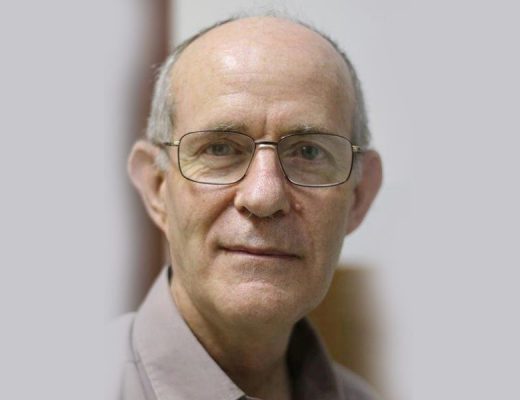
Dr David Glass graduated from UCT in 1975. He spent the next 12 years working at a mission hospital in Lesotho, where much of his work involved health education and interventions to improve health, aside from the normal busy clinical work of an under-resourced mission hospital.
He returned to UCT in 1990 to specialise in obstetrics/gynaecology and then moved to the South Coast where he had the privilege of, amongst other things, ushering 7000 babies into the world. He no longer delivers babies but is still very clinically active in gynaecology.
An old passion, preventive health care, has now replaced the obstetrics side of his work. He is eager to share insights he has gathered over the years on how to prevent and reverse so many of the modern scourges of lifestyle – obesity, diabetes, ischaemic heart disease, high blood pressure, arthritis, common cancers, etc.
He is a family man, with a supportive wife, and two grown children, and four beautiful grandchildren. His hobbies include walking, cycling, vegetable gardening, bird-watching, travelling and writing. He is active in community health outreach and deeply involved in church activities. He enjoys teaching and sharing information.
HAVE YOUR SAY
Like the South Coast Herald’s Facebook page, follow us on Twitter and Instagram
To receive our FREE email newsletter, click HERE