Last week in the first part of this series, we shared the results of the Finnish Heart Project – which was started in 1972 and directed by a now famous Public Health expert by the name of Dr Pekka Puska. Over a period of 25+ years he and his team were able to reduce the incidence of heart disease by around 80% from the highest in the world. At the onset the rate was 700/100,000. By 2015 it had dropped to around 100/100,000. See this very readable article:
ALSO READ : Turning the Tide – Lifestyle Medicine and The Finnish Heart Project (part 1)
What lessons can we learn from the Finnish experience about how to bring about health “reform” and reduce locally the incidences of such problems as diabetes, heart disease, obesity, blood pressure and cancer?
- Change is a process.
- Occasionally we will see someone who is really motivated to bring dramatic changes to their body, and will go all out to adopt all the health recommendations. But most people take time to adapt their lifestyle, and need a great deal of support.
- Even more so with communities. Think how long it has taken for smoking rates to diminish to where they are now, and how resistant many smokers are even today in spite of all the warning labels, and the difficulty smoking enforced by restrictive laws.
- Messages have to be repeated often before they eventually become part of our belief system.
- It requires much patience but also great effort.
- Because change is slow, motivators for change need enormous patience and persistence. They have to be passionate about their cause.
- It requires a multi-pronged approach using the media, schools, churches and mosques, community organisations, women’s groups, public announcements and posters, and many passionate communicators.
- The more exposures to change information the better. Not only does one individual need multiple exposures, but multiple approaches give a wider audience.
- The messages need to be practical – demonstrate how to cook more healthfully
- So many people may be willing to change but they don’t know how to do this practically.
- It is difficult to find people with the expertise and passion for preparing foods in a healthful way.
- Persuade restaurants and hospital and school kitchens to increase plant-based options and reduce fats (particularly animal fats) in food preparation
- I notice that more and more menu’s include plant-based options.
- Public demand drives business practices.
- With the right encouragement, chefs can be willing to gradually change cooking practices to incorporate healthier options, but it does take a mind shift.
- It involves altering the mindset of doctors and even nutritionists to recognise that people are willing to change if they are given options and the practical knowledge of how to adapt.
- Many health professionals pooh-pooh patient’s willingness to adopt healthier lifestyles, claiming culture is too entrenched.
- Research has shown that patients are far more ready to adopt changes than their care-givers give them credit for. Dr Ornish’s lifestyle programme now covered by MediCare in the US has a compliance rate amongst patients one year later of between 85 – 90%, basically because they feel so much better on the programme, than just taking medicines.
- Younger generations in particular are often more social and eco-conscious and see reduction in consumption of animal products as an ethical issue.
I would like to start a conversation about how we can implement healthy changes to our lifestyles on the South Coast. You can use this forum under the comments section at the end of the article, or you can contact me directly at dglass@venturenet.co.za or on phone OH 0396821414.
Kind regards,
Dave Glass
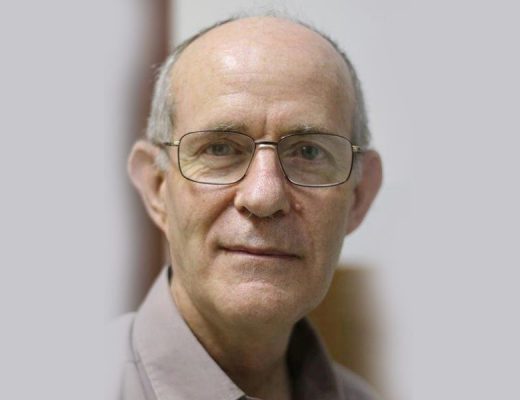
Dr David Glass graduated from UCT in 1975. He spent the next 12 years working at a mission hospital in Lesotho, where much of his work involved health education and interventions to improve health, aside from the normal busy clinical work of an under-resourced mission hospital.
He returned to UCT in 1990 to specialise in obstetrics/gynaecology and then moved to the South Coast where he had the privilege of, amongst other things, ushering 7000 babies into the world. He no longer delivers babies but is still very clinically active in gynaecology.
An old passion, preventive health care, has now replaced the obstetrics side of his work. He is eager to share insights he has gathered over the years on how to prevent and reverse so many of the modern scourges of lifestyle – obesity, diabetes, ischaemic heart disease, high blood pressure, arthritis, common cancers, etc.
He is a family man, with a supportive wife, and two grown children, and four beautiful grandchildren. His hobbies include walking, cycling, vegetable gardening, bird-watching, travelling and writing. He is active in community health outreach and deeply involved in church activities. He enjoys teaching and sharing information.
HAVE YOUR SAY
Like the South Coast Herald’s Facebook page, follow us on Twitter and Instagram
To receive our FREE email newsletter, click HERE