The last two weeks we have been reviewing the very instructive and successful Finnish Heart Project directed by Dr Pekka Puska. This was a long term project that saw the incidence of heart disease amongst men drop from 700/100,000 population down to 100/100,000 over the period of 25 years. This was accomplished by concerted efforts involving many role players. In essence this was a preventive medicine success story.
ALSO READ : Turning the Tide – Lifestyle Medicine and The Finnish Heart Project (part 2)
What is the difference between preventive medicine and lifestyle medicine?
Preventive medicine is also a speciality of medicine in its own right.
“Preventive medicine specialists focus on the health of communities, specific populations and individuals. Doctors in this specialty research, develop and implement ways to prevent disease, decrease disability and maintain health. Some typical duties may include teaching medical staff ways to reduce the spread of infection, directing public health programs and determining the causes of disease. They may also evaluate the effectiveness of treatments for various diseases. Doctors may provide information to the public or other medical professionals on potential health hazards and ways to reduce the risk.” A good example is with the Corona virus epidemic.
Lifestyle medicine, on the other hand, is more directed to the individual patient and utilises behaviour and dietary changes to prevent or reverse chronic diseases. “By integrating lifestyle factors into their practice or health program design, care providers can more effectively coach patients about nutrition, physical activity, stress management, sleep, social support and environmental exposures”, as stated by the American College of Preventive Medicine.
The Finnish project was a more Preventive Medicine approach. Using that methodology, many lives were saved, and the incidence of heart disease was dramatically reduced. But there were still far too many people dying of heart disease who could have individually been saved by personal interactions with lifestyle medicine practitioners, who could coach them in adopting a more directed healthy lifestyle approach.
This is where we on the South Coast need to start a conversation on how we can bring systemic changes to our culture and environment that promote healthier life on the one hand. But on the other we also need to work out ways to spread the message of personal lifestyle changes so that more and more people can experience meaningful reversal of conditions like obesity, diabetes, high blood pressure, auto-immune diseases and even some cancers.
Doctors are all so busy and set in their traditional roles of dishing out pills and surgical interventions. That is what they have been taught to do.
We need a revolution coming from the patients to say – “that is not enough. I don’t just want to have my disease controlled, or slowed down. I want my health back. I want my diabetes reversed. It has been done thousands of times in other places. I want to know how I can do this in my life.” If enough patients insist on this from their practitioners, we will begin to see change.
It took 7000 published research papers on the hazards of smoking before doctors eventually got on board and motivated for changes in government policies and laws, and before hospitals banned the sale of cigarettes, and laws were enacted to ban smoking in public places.
I believe there are more than 10,000 published research papers confirming the power of lifestyle medicine to prevent and reverse chronic diseases.
It is time now for changes in management protocols and government health policies. It is time Medical Aids were willing to sponsor lifestyle medicine interventions in South Africa as is happening in the USA.
We need all professionals on board – medical practitioners, dieticians, sports-medicine practitioners, exercise coaches, physiotherapists, occupational therapists, and nursing professionals. But we also need school kitchens, hospital kitchens, restaurants and enlightened food stores to be on board. It is time for change.
Here is an excellent article by Dr James Rippe, a cardiologist and author of a textbook of lifestyle medicine, now into its 3rd edition:
I would love feedback, and comments on how you see that we can implement change locally. You can either post comments at the bottom of this article, or else contact me directly at 039 6821414.
Looking forward to your responses.
Dave Glass
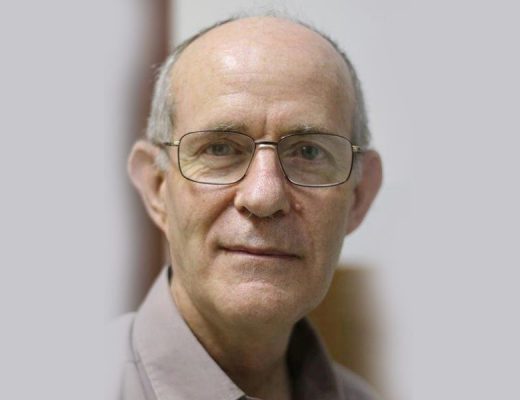
Dr David Glass graduated from UCT in 1975. He spent the next 12 years working at a mission hospital in Lesotho, where much of his work involved health education and interventions to improve health, aside from the normal busy clinical work of an under-resourced mission hospital.
He returned to UCT in 1990 to specialise in obstetrics/gynaecology and then moved to the South Coast where he had the privilege of, amongst other things, ushering 7000 babies into the world. He no longer delivers babies but is still very clinically active in gynaecology.
An old passion, preventive health care, has now replaced the obstetrics side of his work. He is eager to share insights he has gathered over the years on how to prevent and reverse so many of the modern scourges of lifestyle – obesity, diabetes, ischaemic heart disease, high blood pressure, arthritis, common cancers, etc.
He is a family man, with a supportive wife, and two grown children, and four beautiful grandchildren. His hobbies include walking, cycling, vegetable gardening, bird-watching, travelling and writing. He is active in community health outreach and deeply involved in church activities. He enjoys teaching and sharing information.
HAVE YOUR SAY
Like the South Coast Herald’s Facebook page, follow us on Twitter and Instagram
To receive our FREE email newsletter, click HERE