I have been reading a book which I consider the most complete guide to the problem of breast cancer. It is called: “Breasts, an owner’s manual” by Dr Kristi Funk who is an American breast surgeon. She has done an enormous amount of research in producing her book, and that research changed her life. It opened up the whole new world of lifestyle medicine. She now advocates a wholistic approach to both prevention and management of breast disease.
ALSO READ : Turning the Tide – Lifestyle Medicine and The Finnish Heart Project (part 4)
But before we get too involved, perhaps we can bring the subject of breast cancer a bit closer to home. How many people do you know personally that have had breast cancer? Have you ever had breast cancer (and that is a question even men can answer, because men also have breast tissue)?
According to CANSA breast cancer is the second most common cancer affecting women in South Africa, and 1in 27 women will be affected in their lifetime. The most common is non-melanoma skin cancer which is very common but not such an important cause of mortality as breast cancer. This is certainly better than in the USA where 1 in 8 women will be diagnosed at some time in their lives, but the incidence is rising rapidly in so-called middle to low-income countries, and S Africa unfortunately falls into that category. The fact that there is such a huge increase in the incidence of breast cancer obviously cannot be blamed on genetics. Although it is true that a strong family history increases the chance of a genetic predisposition, only 5-10% of breast cancers are associated with the BRCA genetic mutation. Even for those who have a family history, or have the BRCA gene, that does not dictate that you end up with cancer.
So what is responsible for this dramatic increase in the incidence of breast cancer. We know that North America and Northern Europe have the highest incidences in the world, and Asian countries have the lowest – around 4 times lower incidence.
One is tempted to say this is due to genetics, but studies of Asian women who have moved to North America, and adopted an American lifestyle develop the same rates of cancer as their natural-born American neighbours.
So this is not about genetics, but some internal or external environmental factors that are driving the epidemic.
According to Kristi Funk, “Research tells us that if, before reaching menopause, women embrace a lifestyle that prioritises exercise, not smoking, not drinking alcohol, and a diet shifted away from meat and dairy towards whole food, plant-based eating, their odds of getting breast cancer are slashed in half. And for older women, risk drops by 80 percent” (emphasis supplied). That is incredible. So these relatively simple lifestyle interventions, which we have been talking about in this blog for the last almost 2 years have been shown through peer-reviewed research to dramatically impact the incidence of not only breast cancer, and thus breast cancer mortality, but almost every other life-threatening chronic condition. Thus you can dramatically reduce your incidence of high cholesterol, high blood pressure, heart attacks – have significantly less diabetes, less arthritis pains, more energy, less brain fog, less dementia, better sleep at night and a longer life. That sounds like something we can get excited about, surely?
In summary. The factors that reduce the incidence of breast cancer are:
- Exercise
- Not smoking
- Not drinking alcohol
- Shifting away from animal based diet to a whole-food plant-based diet
We will discuss each of thee in far greater detail in future blogs, but for now you can start thinking about your habits in these areas and whether you are willing to make changes for a longer, more healthy life.
Have a great week,
Dave Glass
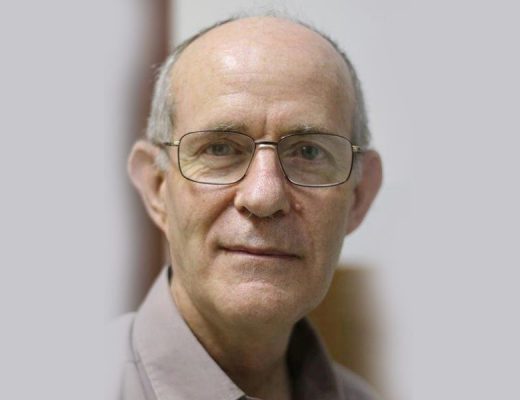
Dr David Glass graduated from UCT in 1975. He spent the next 12 years working at a mission hospital in Lesotho, where much of his work involved health education and interventions to improve health, aside from the normal busy clinical work of an under-resourced mission hospital.
He returned to UCT in 1990 to specialise in obstetrics/gynaecology and then moved to the South Coast where he had the privilege of, amongst other things, ushering 7000 babies into the world. He no longer delivers babies but is still very clinically active in gynaecology.
An old passion, preventive health care, has now replaced the obstetrics side of his work. He is eager to share insights he has gathered over the years on how to prevent and reverse so many of the modern scourges of lifestyle – obesity, diabetes, ischaemic heart disease, high blood pressure, arthritis, common cancers, etc.
He is a family man, with a supportive wife, and two grown children, and four beautiful grandchildren. His hobbies include walking, cycling, vegetable gardening, bird-watching, travelling and writing. He is active in community health outreach and deeply involved in church activities. He enjoys teaching and sharing information.