Turning the Tide – Lifestyle Medicine and Breast Cancer (Part 5)
How does exercise impact breast cancer risk? It reduces oestrogen production and lessens insulin resistance as well as the production of all the other inflammatory cytokines mentioned above (TNF, Il-6, VEGF, HGF, IGF-1 and leptin).

Last week we discussed the foods that should be avoided to reduce the high risk of breast cancer. This week we will again refer much to the book by breast surgeon Kristi Funk, “Breasts, the owner’s manual”. Over the last 40-50 years there has been a dramatic increase (up to 100%) in breast cancer rates, particularly in the adoption of the American lifestyle in Asian countries and a move away from their traditional lifestyles.
ALSO READ : Turning the Tide – Lifestyle Medicine and Breast Cancer (Part 4)
What are the factors that have changed?
- Habits
- Diet
- Weight – particularly increase in obesity
- Inactivity
- Delayed child-bearing
- Hormones
As Kristi says “Asians started chasing our (US) culture, and as a result, they caught our cancer. Sadly, our contagious lifestyle has infected the entire world.” Unfortunately it doesn’t only influence the risk of breast cancer, or other cancers, but especially the risk of heart disease, which is 7 times more likely to cause death than breast cancer. “We need to rediscover balance: a way of life where physical, emotional, relational, intellectual, and spiritual needs receive daily nourishment to keep our souls, and our cells, rejuvenated”. Let us look at some of these factors more carefully.
Excess Body Weight
Overweight and obese adult women have a 50-250% (rising with body mass index BMI) greater risk for postmenopausal breast cancer than normal weight women. Overweight women who are treated for breast cancer have a 57% increase in breast cancer recurrence. Not only does it affect recurrence, but it also influences mortality from the disease. Being just overweight (BMI between 25-29,9) increases mortality by around 34%, but with a BMI of over 40 (gross obesity) it is increased by 112%. Why is this? Fat cells are good at converting naturally produced male hormones from the adrenal glands and ovaries into oestrogens. These not only stimulate cancer cells in the breasts, but also increase the risk of cancer of the lining of the womb – the endometrium. Other cancer-promoting actors that are increased in fat cells are TNF⍶, IL-6, VEGF, HGF, IGF-1 and leptin. These substances basically increase chronic inflammation which creates the environment where cancer flourishes. If you gain 5% more than your initial weight during or after treatment, your risk of recurrence increases and survival is reduced by 400%.
The good news is that by losing excess weight, so does your risk of getting breast cancer dissipate. Losing weight is not easy. But there is help available beyond the scope of this short article. See previous blogs for help.
Physical Activity
Reduction in the incidence of breast cancer is directly proportional to the amount of exercise you do. Even as little as 11 minutes per day of moderate exercise reduces your risk by 18%. More than 4 hours per day of brisk exercise reduces that risk by 58%.
How does exercise impact breast cancer risk? It reduces oestrogen production and lessens insulin resistance as well as the production of all the other inflammatory cytokines mentioned above (TNF, Il-6, VEGF, HGF, IGF-1 and leptin). Apart from reducing the risk of breast cancer, exercise also reduces the risk of heart disease, lowers blood pressure, lessens diabetes; promotes a happier mood, better sleep, improved bone health and less osteoporosis; lessens fatigue and stress; and reduces lymph swelling after surgery. Apart from aerobic exercise like jogging, dancing, cycling and sports, another therapeutic intervention is muscle-building exercise like weight lifting, resistance training, etc.
The best way to get into an exercise programme is to do it with a friend, or trainer or coach who will keep up your motivation. If you rely on only your own will power, you will soon start making excuses to skip the activity.
Delayed childbearing
Women who bring children into the world prior to age 20 show a 50% reduction in breast cancer, compared to childless women. Those who wait until over 35 before starting a family have 40% increased risk compared to childless women.
Smoking
Thankfully the incidence of smoking is going down amongst women around the world, but it is not an easy habit to break, and for various reasons women may battle more than men. Lung cancer actually kills more women than breast cancer.
Almost 90% of lung cancers are caused by smoking, so imagine the reduction in mortality by just eliminating smoking.
Smoking in young women is particularly dangerous for breast cancer. Women who smoke a pack a day for 20 years before their first pregnancy increase their risk by almost 75%. Women who stop smoking reduce their death rates by 33% compared to those who continue smoking.
Environmental Toxins and Carcinogens
Radiation in the environment and from radiotherapy can affect breast cancer risk – (for instance chest radiation for Hodgkin’s lymphoma in girls under the age of 15 years increases the risk of breast cancer by 13,500%. Limit unnecessary chest x-rays. But Kristi Funk does support the use of mammograms as a screening tool – the benefits outweigh the risks. Thankfully mammograms have minimal radiation. This information in no way denies the benefits of radiation in controlling and managing cancers.
Apart from radiation, there are multiple toxins in the environment that can negatively influence breast health – plastics (particularly BPA), dioxins, flame retardants, pesticides, pollution from petro-chemical wastes, etc. Obviously it is difficult to avoid exposure to so many of these by-products of modern living, but common sense and living as naturally as possible does help.
Stressful Life Events
The death of a partner or child, divorce, major financial crisis, war or natural disasters can all provide the stresses that induce inflammatory cytokines, and reduce the natural killer cells which normally control cancer cells. But chronic life stresses – relationships, work demands, depression, anxiety, fear, anger and resentment – can all increase stress chemicals which drive up the risk of cancers, (as well as heart disease, diabetes, dementia and auto-immune diseases). As Kristi states: “breast cancer is never caused by only one thing, but is always multifactorial”.
What habits can reduce stress in our lives? The most important is faith-based connection – church, temple, mosque communities and a trusting relationship with God. Forgiveness and gratitude are so important – focusing on the positives and smiling and laughing often. I believe getting involved in community activities and doing things for others with no thought of return is health-promoting. Adequate sleep is important. Unfortunately night shifts which diminish the amount of melatonin produced – as regularly happens with flight attendants, pilots and nurses – all increase breast cancer risk by up to 40%. In fact the International Agency for Research on Cancer (IARC) classifies night shift as “probably carcinogenic”.
This is quite a mouthful. I hope it has not discouraged you, but once again, knowing these factors can empower you to change your life, particularly diet and exercise, which are probably the most powerful influencers of cancer risk.
Next week we will look at the type of history a breast cancer doctor takes, to influence his/her decision about interventions. Although we are now delving into the traditional medical approach, a wholistic perspective is still very relevant.
To empowerment for change.
Dave Glass
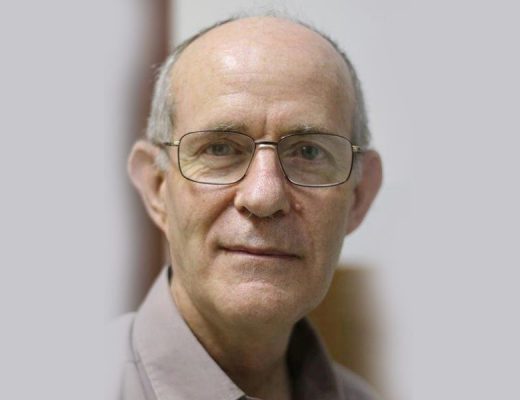
Dr David Glass graduated from UCT in 1975. He spent the next 12 years working at a mission hospital in Lesotho, where much of his work involved health education and interventions to improve health, aside from the normal busy clinical work of an under-resourced mission hospital.
He returned to UCT in 1990 to specialise in obstetrics/gynaecology and then moved to the South Coast where he had the privilege of, amongst other things, ushering 7000 babies into the world. He no longer delivers babies but is still very clinically active in gynaecology.
An old passion, preventive health care, has now replaced the obstetrics side of his work. He is eager to share insights he has gathered over the years on how to prevent and reverse so many of the modern scourges of lifestyle – obesity, diabetes, ischaemic heart disease, high blood pressure, arthritis, common cancers, etc.
He is a family man, with a supportive wife, and two grown children, and four beautiful grandchildren. His hobbies include walking, cycling, vegetable gardening, bird-watching, travelling and writing. He is active in community health outreach and deeply involved in church activities. He enjoys teaching and sharing information.
HAVE YOUR SAY
Like the South Coast Herald’s Facebook page, follow us on Twitter and Instagram