Turning the Tide – Lifestyle Medicine and Covid 19
Eating an abundance of fresh fruits and vegetables, whole grains and legumes, nuts and seeds provide our bodies with a wealth of different anti-oxidants in the form of vitamins (especially A, C and E) and hundreds of thousands of various phytochemicals.

I have lately been writing a series on lifestyle medicine and breast cancer, but unusual circumstances demand unusual interventions. I will break our series this week to discuss the world-wide threat presented by Corona virus. Covid-19 has been on our minds for less than 3 months. First it was far away on the other side of the world in China, then it moved a bit closer home to Iran, and Italy then the rest of Europe and the world. Now more recently it has arrived in South Africa. It is getting close to home here on the South Coast. Just this weekend we heard that inevitably it has arrived in our back yard and it is now a daily reality for all of us. Somehow we had imagined that we would be protected, that it was all just a bad dream and life would go on its merry way. But life is about to change drastically for all of us over the next few months, and how we conduct our lives will certainly impact both ourselves and our communities. It is sobering how very wide is our “fingerprint” upon the world around us. The number of people with whom we share our microorganisms every day is astounding – without even realising it.
ALSO READ : Second Covid-19 case for South Coast
Here is a great Youtube video that enlightens the need for social distancing, and what happens when people ignore the risks.
I will not go into details about all the important interventions that are constantly pumped into our consciousness through the media – things like avoiding shaking hands, and crowded spaces, and washing our hands thoroughly frequently; avoiding coughing and sneezing into other people’s environments; hand sanitising if hand washing is not available; reducing physical social interactions to a minimum and seeking medical assistance if we display any of the symptoms. These are all vital preventive health care practices. And yet people are still blasé about adopting them. Last weekend we were at a Mall in Durban (probably the last time I will venture there for some months). I was standing outside one of the popular supermarkets waiting for family members to complete their shopping. Observing the people entering, I was shocked at the low percentage of people who disinfected the handles of the baskets or trolleys they took into the store – only about 20%. I was tempted to stand there and accost each one and implore them to hand sanitise for their own benefit as well as for other shoppers. Do they not care, or are they deaf and blind to all the public health messages out there?
Apart from creating barriers between us and the virus, there are also lifestyle interventions that can boost our body’s immune system and thus its ability to mitigate the effects of the virus on our health and very life itself. Over the last 2 years through this blog we have been punting the benefits of lifestyle medicine in reducing or even reversing the common chronic diseases that so often shorten life – conditions like heart disease, diabetes, obesity, cancer and auto-immune diseases. The people who are particularly at risk of Covid-19 are people with these same conditions. So it is not surprising that older, chronic disease sufferers are particularly at risk of severe Covid-19 disease and death. Combine unhealthy diets, inactivity and stress with destructive habits like smoking and excess alcohol and we are left with a very vulnerable human organism that has to battle a potent enemy.
We cannot expect to reverse the results of a lifetime of abuse of our body within a few short weeks by changing our lifestyle with the threat of looming Covid-19, but we may be able to go some way to boosting our immune system and restoring a damaged internal environment.
The sooner we adopt these interventions the better. The following four interventions come from a small pamphlet entitled “Corona virus and immunity” put out by “Giving Light to Our World (glowonline.org/immunity). They are described by 4 B’s – Boost, Build, Balance and Believe.
Boost with antioxidants
Normal physiological metabolism, combined with exposure to toxins, physical and emotional stressors, all produce free radicals. These are active chemicals that can damage the delicate integrity and functioning of cells within our bodies and affect our immune system. Eating an abundance of fresh fruits and vegetables, whole grains and legumes, nuts and seeds provide our bodies with a wealth of different anti-oxidants in the form of vitamins (especially A, C and E) and hundreds of thousands of various phytochemicals. Vitamin D produced in our skin from daily sun exposure is also a potent immune booster. Dietary fibre, abundant in plant foods but absent in animal products, feeds our gut microbiome (the trillions of micro-organisms that inhabit our intestines). These creatures are an important modulator of our immune system. Refined carbohydrates have been stripped of their fibre and phytochemicals and thus their ability to contribute to our immunity. Many of the fast foods/snack foods, sugary beverages actually increase free radicals which deplete our immune systems even further.
Build with exercise
Regular exercise has been shown to increase the antibody response to infection, but also to stimulate the production of natural killer (T-cells) which fight against viruses and harmful bacteria. See this 45 page article if you want to understand the science:. Regular exercise also reduces anxiety and depression. A positive mood also helps to boost immune health.
Balance with Stress Management
Chronic stress increases the fight or flight hormones which over a period of time affect the way our body responds to infection and disease processes. It is well known that chronic anxiety or depression reduces our ability to combat various illnesses. Regular exercise, sufficient sleep, good social connections and loving relationships can go a long way to restoring balance to our lives.
Believe and Trust
Many people deny their spiritual nature. Yet so often in times of crisis we recognise our inability to face the challenges alone and are willing to reach out to a higher being – whom I like to refer to as God. Over the years I have found great comfort and purpose in my life from connecting to my Divine Friend through meditation, prayer, study of the Word and claiming the many promises found therein. In this world crisis I invite you to re-establish your relationship with God as you negotiate the challenges of life. He can give you peace in the storm.
As we face the enormous challenges before us, may we do so with calm resolution, common sense and wisdom rather than panic. By each person taking responsible and selfless action, we can get through this. And yes, above all we also do need Divine intervention.
To a week of sensible choices and sober judgement,
Dave Glass
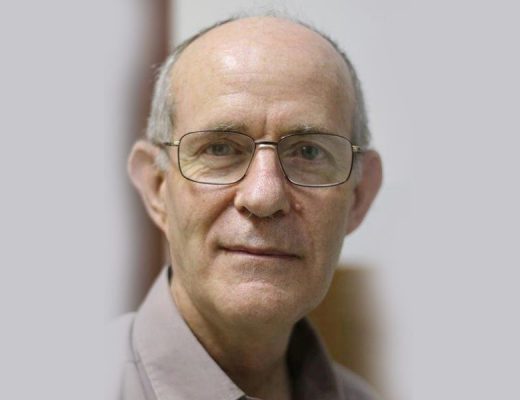
Dr David Glass graduated from UCT in 1975. He spent the next 12 years working at a mission hospital in Lesotho, where much of his work involved health education and interventions to improve health, aside from the normal busy clinical work of an under-resourced mission hospital.
He returned to UCT in 1990 to specialise in obstetrics/gynaecology and then moved to the South Coast where he had the privilege of, amongst other things, ushering 7000 babies into the world. He no longer delivers babies but is still very clinically active in gynaecology.
An old passion, preventive health care, has now replaced the obstetrics side of his work. He is eager to share insights he has gathered over the years on how to prevent and reverse so many of the modern scourges of lifestyle – obesity, diabetes, ischaemic heart disease, high blood pressure, arthritis, common cancers, etc.
He is a family man, with a supportive wife, and two grown children, and four beautiful grandchildren. His hobbies include walking, cycling, vegetable gardening, bird-watching, travelling and writing. He is active in community health outreach and deeply involved in church activities. He enjoys teaching and sharing information.
HAVE YOUR SAY
Like the South Coast Herald’s Facebook page, follow us on Twitter and Instagram