Today we celebrate our 100th blog on the subject of lifestyle medicine – making wise choices in the area of diet, exercise, rest, sunlight, fresh air, water, relationships and spiritual connection. This is one area of medicine that seems to permeate all others. It is becoming increasingly important as diseases of poor lifestyle choices affect more and more people around the world – resulting in rising incidences of heart disease, high blood pressure, diabetes, obesity, auto-immune diseases, cancer and dementia.
ALSO READ : Turning the Tide – Lifestyle Medicine and Covid 19
Of course our minds are daily preoccupied with Covid-19, and so should they be. We are facing one of the most devastating challenges to health care and the economy the world has seen this century. Two weeks ago I presented a lifestyle approach to this pandemic, because we know that the virus is particularly aggressive in people who suffer chronic lifestyle diseases.
Today we will get back to our topic for this series – breast cancer. Unfortunately Covid-19 doesn’t make all the other diseases, to which we are so prone, go away. As mentioned before, this series is based on Dr Kristi Funk’s book – “Breasts: The owner’s manual”. This week we will be looking at uncontrollable risk factors.
- Being a woman. Yes, men can also get breast cancer but women are 120 times more at risk. It accounts for 25% of all cancers affecting women globally.
- As you gain “numerical stature” your risk rises significantly. We all know of women who have been affected in their 40’s and 50’s, but it is more likely the older you get.
- Age of menstrual commencement. This is preceded by breast and pubic hair development by about 2 years. Recent surveys have found girls as young as 7 or 8 beginning to notice pubertal changes in their bodies. Girls who grow breasts under 10 years of age increase their risk of breast cancer by 23% compared to later puberty. This is caused by more oestrogen exposure particularly from foods and environmental contaminants.
- Age of menopause. Breast cancer risk rises the later menopause occurs.
- In the USA the incidence is highest in Caucasians, but mortality is highest in African Americans. This is most often because of late diagnosis. Interestingly the incidence of breast cancer is lowest in Americans of East Asian origin. In South Africa the incidence is highest in women of Asian origin, closely followed by White women. The incidence is 3 times higher in White women than in Black women. https://academic.oup.com/eurpub/article/27/1/173/2670166
- Socio-economic status. Women with more means tend to screen more regularly and thus their cancers are picked up earlier, with better outcomes.
- This is one time when petite women are at an advantage. Taller women have normally been exposed to a whole host of hormonal factors which increases their height but also their risk of breast cancer.
- Bone density. Women with higher bone density are at greater risk – probably once again because of higher oestrogen exposure, which benefits the bones but negatively impacts breast cancer risk. Thankfully though, lifestyle interventions for osteoporosis – exercise, elimination of smoking and alcohol, and proper diet also tend to reduce the risk of breast cancer.
- Breast density. Breasts tend to get less dense with ageing. This is because the actual breast tissue – ducts and lobules and fibrous supportive tissue – becomes less pronounced with age – also called “droopy breasts”. Mammograms are more accurate at picking up cancers in less dense breasts. If you have dense breasts, it would be wise to avoid hormone replacement, as well as other factors promoting increased risk of cancer – such as alcohol, smoking, high animal fat intake, obesity and a sedentary lifestyle.
- Personal history of breast cancer. Obviously what predisposed to the first cancer may stimulate future cancers. Fortunately some of the treatments, like Tamoxifen, can significantly reduce new cancers or recurrences by 50%.
- Family history is not as important as many consider. The highest risk is if your sister has it under the age of 50 years – at around 18%, and up to 25% if two first-degree relatives have had it.
- BRCA gene mutations. BRCA stands for Breast Cancer 1 and 2 genes which normally suppress the growth of tumour cells by repairing or removing faulty cells before they can form a mass. But less than 10% or breast cancers (and 14% of ovarian cancers) are associated with BRCA gene mutations. (There is controversy about the need for gene testing – a very expensive test in South Africa, which needs adequate counselling before taking it. What is important is that the lifestyle interventions talked about in previous blogs can significantly counteract the higher risks of breast cancer associated with these gene mutations. The pros and cons are beyond the scope of this short article.). See here for a very detailed but understandable article on the South African perspective:
Next week we will briefly look at some of the interventions on offer in terms of treatment and screening to complete the series on breast cancer.
Stay safe, isolated as much as possible in your home. May you use this time for building family relationships and getting life priorities right. It is good to have some forced time for reflection when we are faced with the prospect of our own mortality or that of our friends and family.
Dave Glass
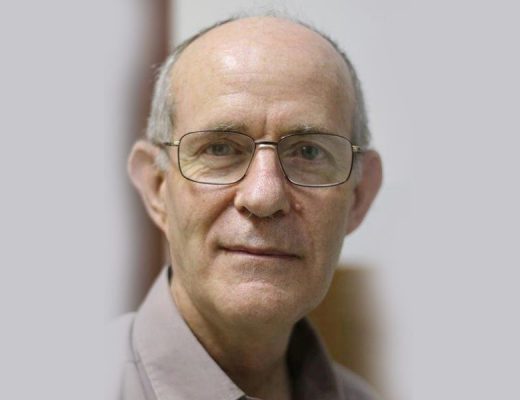
Dr David Glass graduated from UCT in 1975. He spent the next 12 years working at a mission hospital in Lesotho, where much of his work involved health education and interventions to improve health, aside from the normal busy clinical work of an under-resourced mission hospital.
He returned to UCT in 1990 to specialise in obstetrics/gynaecology and then moved to the South Coast where he had the privilege of, amongst other things, ushering 7000 babies into the world. He no longer delivers babies but is still very clinically active in gynaecology.
An old passion, preventive health care, has now replaced the obstetrics side of his work. He is eager to share insights he has gathered over the years on how to prevent and reverse so many of the modern scourges of lifestyle – obesity, diabetes, ischaemic heart disease, high blood pressure, arthritis, common cancers, etc.
He is a family man, with a supportive wife, and two grown children, and four beautiful grandchildren. His hobbies include walking, cycling, vegetable gardening, bird-watching, travelling and writing. He is active in community health outreach and deeply involved in church activities. He enjoys teaching and sharing information.
HAVE YOUR SAY
Like the South Coast Herald’s Facebook page, follow us on Twitter and Instagram