Last week we spoke about the role of exercise in preventing and also reversing chronic systemic inflammation. Remember, chronic inflammation is the common denominator of many of the lifestyle diseases affecting a large portion of the world’s population.
Today we will look at two aspects – the gut microbiome, and closely related, diet.
ALSO READ : Turning the Tide – Get moving to reduce your risk of chronic inflammation
The Gut Microbiome
We have recently completed a whole series on the role of the gut microbiome on multiple systems – including the immune system, onset of diabetes type 2, blood pressure, cardiovascular disease, auto-immune diseases and neurological degenerative diseases.
Studies of the variances in the gut microbiome in people who are healthy compared to those who have the above diseases have found significant differences. Laboratory animal studies have found that changing the gut microbiome through stool transplants can alter such things as insulin resistance, diabetes, and obesity.
Of course the big question is which came first – the diet which damaged the gut microflora, or the damaged microflora which damaged the gut wall.
We do know that a damaged intestinal wall from whatever reason results in higher blood levels of zonulin, and high levels of zonulin are associated with obesity, type 2 diabetes, non-alcoholic fatty liver disease, coronary heart disease, polycystic ovarian syndrome, autoimmune diseases and cancer. “More recently, elevated serum zonulin concentrations have been found to predict inflammation and physical frailty,” says Dr David Furman.
Of importance in terms of the health of the gut microbiome are factors which can result in dysbiosis (disturbed normal spectrum of gut microflora).
- antibiotic overuse
- non-steroidal anti-inflammatory drugs such as ibuprofen, diclofenac
- proton-pump inhibitors (used for stomach ulcers and hiatus hernia to reduce stomach acidity)
- lack of microbial exposure from excessive hygiene and living in an artificial environment
- reduced exposure to domestic animals and natural soils e.g on farms
- diet low in plant fibre as we will discuss in the next section.
Diet
The only source of dietary fibre is from plant foods. Animal foods are virtually devoid of fibre. And yet the gut microbiome is fundamentally nourished by various forms of fibre.
The break-down products of fibre include small-chain fatty acids, such as butyrate, acetate and pyruvate. Butyrate is especially important in maintaining the gut wall integrity. When there is disruption, large protein molecules and micro-organisms are able to get into the circulation and set off the immune system to cause a chronic inflammatory response.
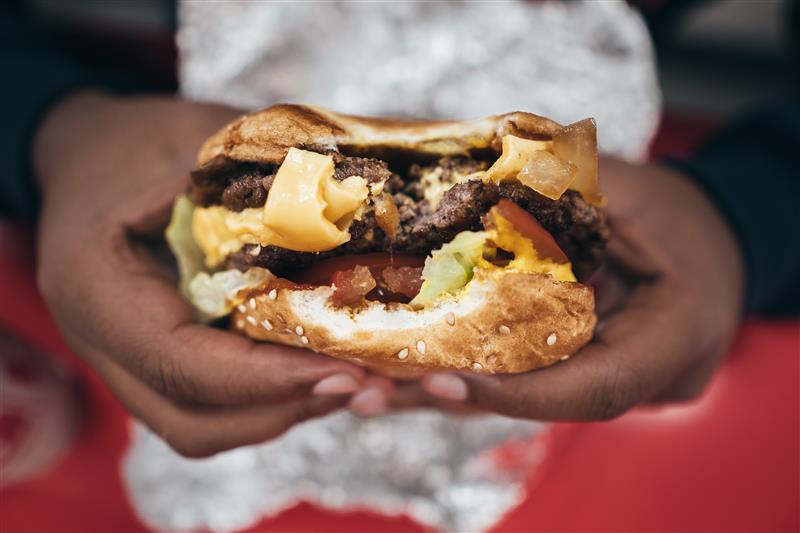
Foods that are heated excessively, particularly dry heat, or foods that are highly processed contain advanced glycation end-products (think of the standard braai, or chisanyama). Apart from stimulating the appetite, which results in excessive food intake, these products also increase inflammatory responses.
High-glycaemic-load foods, like refined “carbs” and sugary foods (as in juice, sweets, sweetened dairy products and pastries) can cause oxidative stress that activates inflammatory genes.
In simple words, sugar and highly refined foods actually work on a gene expression level to promote inflammation.
Trans fatty acids were used widely in the past in baked goods and processed foods to improve flavour and consistency of foods. This was in the form of partially hydrogenated oils. However, since the banning of trans fats, most food producers have changed to using palm and coconut oil, which is mostly saturated fat.
This is found in almost all processed foods – even peanut butter! Of course concerns exist about the ingestion of saturated fat and heart disease, apart from the fact that the demand for cheap palm oil is a huge driver of worldwide deforestation.
Excess salt causes certain macrophages to differentiate into CD4 cells that are highly inflammatory, as well as decrease the expression of anti-inflammatory activity by T-regulatory cells.
Another effect of a high salt diet is to cause changes in the gut microbiota composition. Lactobacilli are most affected, and they are particularly important in helping to maintain an intact epithelial barrier.
Other dietary influences which can promote inflammation are deficiencies of zinc, magnesium and omega-3 – all consequences of highly processing or refining foods.
These same processed foods are often high in omega-6 fatty acids, which compete with enzymes in the metabolism of omega-3, inhibiting the beneficial effects on inflammation of this latter fatty acid. Oils such as sunflower, cotton-seed, soy are high in omega-6, compared to canola and fish oils which are rich in omega-3 fatty acids. The best response is to reduce overall fat, and fatty foods.
Foods high in fat, sugar, salt and flavour additives have been shown to promote cellular ageing, and amplify the inflammatory response.
The information for this article is found to a large extent from a review article by Dr David Furman and colleagues:
Recently I have come across a number of articles that propound the suggestion that one of the reasons that Covid-19 is more aggressive in patients with co-morbidities such as obesity, diabetes, heart disease, kidney disease and cancer is because of the increase in chronic inflammation underlying these conditions, as mentioned above.
These predispose patients to the dangerous cytokine storm which often develops around day 9-10, and is often the cause of rapid deterioration. One may be tempted to become resigned to fate if you already suffer from these co-morbidities.
However some studies have shown that by dramatically changing your diet to include more plants, it is possible to bring about fairly rapid changes in the gut microbiome. Thus, increasing plant fibre intake can have quite profound changes on the protective effects of a healthy microbiome, even over as little as a few days.
Here is a fascinating and very readable comment on Covid-19, the cytokine storm and the gut microbiome.
Have a safe week – and seriously consider changing your diet and lifestyle to promote health and vitality.
Dave Glass

Dr David Glass graduated from UCT in 1975. He spent the next 12 years working at a mission hospital in Lesotho, where much of his work involved health education and interventions to improve health, aside from the normal busy clinical work of an under-resourced mission hospital.
He returned to UCT in 1990 to specialise in obstetrics/gynaecology and then moved to the South Coast where he had the privilege of, amongst other things, ushering 7000 babies into the world. He no longer delivers babies but is still very clinically active in gynaecology.
An old passion, preventive health care, has now replaced the obstetrics side of his work. He is eager to share insights he has gathered over the years on how to prevent and reverse so many of the modern scourges of lifestyle – obesity, diabetes, ischaemic heart disease, high blood pressure, arthritis, common cancers, etc.
He is a family man, with a supportive wife, and two grown children, and four beautiful grandchildren. His hobbies include walking, cycling, vegetable gardening, bird-watching, travelling and writing. He is active in community health outreach and deeply involved in church activities. He enjoys teaching and sharing information.
HAVE YOUR SAY
Like the South Coast Herald’s Facebook page, follow us on Twitter and Instagram
* Notice: Coronavirus reporting at Caxton Local Media aims to combat fake news
Dear reader,
As your local news provider, we have the duty of keeping you factually informed on Covid-19 developments. As you may have noticed, mis- and disinformation (also known as “fake news”) is circulating online. Caxton Local Media is determined to filter through the masses of information doing the rounds and to separate truth from untruth in order to keep you adequately informed. Local newsrooms follow a strict pre-publication fact-checking protocol. A national task team has been established to assist in bringing you credible news reports on Covid-19.
Readers with any comments or queries may contact National Group Editor Irma Green (irma@caxton.co.za) or Legal Adviser Helene Eloff (helene@caxton.co.za).