
Last week we discussed the role of the gut microbiome and diet in the prevention or cause of chronic systemic stress. It was a bit technical, so this week we plan to tone down the academic information. This information is based on a comprehensive review article by Dr David Furman et al, on the role of chronic systemic stress on lifestyle diseases and ageing:
ALSO READ : Turning the Tide – How your diet affects your gut…and your health
In this week’s article we will discuss the role of social and cultural changes that increase chronic systemic stress, and thus contribute to the development of diseases like obesity, diabetes, cardiovascular disease, auto-immune disease, dementia and cancer.
Stress
When we think of an unstressed life, we think of a predictable, safe, comfortable environment where there are no anxieties and everything goes along smoothly. Of course no one ever has that state of bliss – but some people seem to have more than their share of challenges to emotional and physical equilibrium. Some stress in life is necessary for physical and emotional health. It challenges us to learn new skills, build physical and emotional strengths that we didn’t have before. Think back to how far you have come in your life in terms of knowledge and experience and capability – all as a result of stresses.
The types of stress that are damaging are demands that are made upon our mental, emotional and physical being that we have no control over and feel powerless to influence. This could come from a destructive relationship at home or at work; from physical illness that may be life-threatening; financial distress out of our control; or mental health issues affecting our resilience and coping mechanisms.
Prolonged high blood cortisol levels only suppress inflammation for a little while. Then the body becomes less susceptible to the cortisol, and inflammation starts to recur. https://pubmed.ncbi.nlm.nih.gov/22474371/
Some stresses can be healing – things like learning to play a musical instrument, or to learn a new language, or to engage in learning a new skill. It may also include getting involved in community outreach activities, volunteering of skills and services, mentoring disturbed young people, getting involved in soup kitchens, or visiting frail care institutions to provide support and friendship to the inmates. It is amazing how getting involved in helping others can improve your own emotional and physical health.
Social Interactions
Much study has been done on the role of social isolation in the development of chronic diseases such as heart disease, strokes, depression, cancer and Alzheimer’s disease. Not only does social isolation increase the frequency and earlier age of onset, but also the prognosis (outcome) of these diseases. One of the important factors is the development of chronic systemic inflammation with social isolation and loneliness. Of course loneliness has effects on diet, exercise, hope for the future, will to live, risk of mental health diseases and self-care, which all affect general health. But there are also profound physiological effects on the immune system.
It has been found that having a supportive family or group of friends can suppress inflammation, provide emotional support and reduce stress and anxiety.
These all influence the development of chronic inflammation and its disease promoting effects. Here is an article that discusses the mechanisms:
What are some practical steps we can implement to reduce chronic systemic inflammation caused by stress and inadequate social interactions:
• Reflect on balance in your life and how you are coping with your personal stress – you may need some professional counselling from a clinical psychologist, or spiritual counsellor.
• How good are you at saying no if you are already overstretched.
• What can you do to bring healing to destructive relationships – whether marriage counselling, or being gently assertive with your boss, or changing jobs, or learning to live positively in a negative environment.
• Developing a sense of purpose for your existence.
• Building social relationships – reaching out to family and friends, joining clubs or religious groups.
• Daily seek opportunities to make a difference in the lives of people with whom you interact.
Next week we will discuss the role of sleep and relaxation, as well as the effect of blue-spectrum light and night-shift work on chronic systemic inflammation.
One of the most negative effects of Covid-19 has been the separation of people, and the disruption of personal social interactions. Loneliness is aggravated. It is not surprising that there has been an increase in mortality not directly caused by the Covid-19 infection. Many of the increased deaths may be due to increased mortality from chronic lifestyle diseases such as heart attacks, strokes, cancer, kidney failure, etc.
We look forward to relaxation of many of the measures in place, but still have to maintain care and attention to safe practices. There is still a significant danger of infection and bad outcomes in those who suffer from chronic systemic inflammation.
Stay safe.
Dave Glass
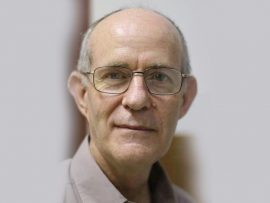
Dr David Glass graduated from UCT in 1975. He spent the next 12 years working at a mission hospital in Lesotho, where much of his work involved health education and interventions to improve health, aside from the normal busy clinical work of an under-resourced mission hospital.
He returned to UCT in 1990 to specialise in obstetrics/gynaecology and then moved to the South Coast where he had the privilege of, amongst other things, ushering 7000 babies into the world. He no longer delivers babies but is still very clinically active in gynaecology.
An old passion, preventive health care, has now replaced the obstetrics side of his work. He is eager to share insights he has gathered over the years on how to prevent and reverse so many of the modern scourges of lifestyle – obesity, diabetes, ischaemic heart disease, high blood pressure, arthritis, common cancers, etc.
He is a family man, with a supportive wife, and two grown children, and four beautiful grandchildren. His hobbies include walking, cycling, vegetable gardening, bird-watching, travelling and writing. He is active in community health outreach and deeply involved in church activities. He enjoys teaching and sharing information.
HAVE YOUR SAY
Like the South Coast Herald’s Facebook page, follow us on Twitter and Instagram