
As you may have realised by now if you are a regular reader of these blogs, I am passionate about lifestyle medicine. This means dealing actively with the underlying causes of the most widespread chronic diseases such as diabetes, obesity, high blood pressure, heart disease, cancer, dementia, auto-immune diseases, etc.
I often speak to my patients, who I discover to have high blood pressure, or diabetes, or who battle with excess weight, about interventions they can do to reverse or control these conditions. Sometimes the thought of reversing these diseases to them appears to be far-fetched. Sometimes they respond with deep interest and enthusiasm. And sometimes they dismiss the idea as preposterous.
ALSO READ : Turning the Tide – Change your lifestyle, improve your health
I have had some patients return 6 months or a year later and their weight has dropped dramatically; or they have given up smoking; or their diabetes has improved from information that I have given. But for most people their condition just remains the same or deteriorates further. I have one reader in Scotland who suffered from diabetes and high blood pressure and on reading our blogs implemented major changes in his life. Over a year later he feels like a different person. From walking 1-2 miles for exercise now and then, he now walks 5 miles every second day. He cycles 1 hour once per week. He has implemented a whole-food plant-based diet.
As a result he sleeps better, his brain feels more clear, his blood pressure, cholesterol levels and blood sugar levels are down. What makes the difference in the response of one person compared to the other? The answer boils down to an individual’s readiness for change.
This can be influenced by many factors. In fact it has been the subject of study and research. A number of models or theories explaining behaviour change have been developed. With any major change in life – whether it is moving to a new location, or changing jobs, or leaving school – the process can be stressful. Some people love change and new challenges. Most feel threatened by change, and prefer to stay put. How can you assess your readiness for change?
The trans-theoretical model explains it this way:
- The first level is Pre-contemplation – no serious thought has been given to changing behaviour
- Next level is Contemplation – the individual is considering change in the near future
- Third level is Preparation – plans are being made to set about the process of change
- Fourth level – Action – changes are occurring but it is still early days
- Fifth level – Maintenance where the changes are being consolidated.
If you have one of the previously mentioned lifestyle diseases, the question you can ask yourself is at what stage of change are you? Have you given the idea of adopting new behaviours serious thought? Are you making plans to implement some changes? Do you feel daunted by the thought of having to do things differently?
Dr Ornish, one of the doyens of Lifestyle Medicine presents it this way.
You can view taking on new patterns of behaviour as unpleasant restrictions, and be daunted by all the things you have to give up or you can look at all the benefits you will gain from embracing a healthier way to view and live life.
These include: sleeping more restfully, feeling more zest for living, less depression, less pain and fatigue, lower risk of life-threatening incidents, more freedom to move around with ease, a wider range of attractive clothes to wear and more money to spend on things you value Ultimately you can look forward to being around for the people you love and really care about. Don’t those benefits outweigh the discomforts of making some changes to your diet and life habits?
Next week we will go into more practical ways of facing the prospects of change and dealing with the negativity that this may evoke. To positive thoughts of a better life.
Dave Glass
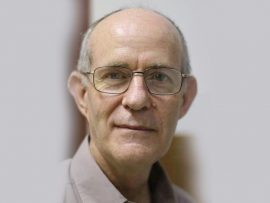
Dr David Glass graduated from UCT in 1975. He spent the next 12 years working at a mission hospital in Lesotho, where much of his work involved health education and interventions to improve health, aside from the normal busy clinical work of an under-resourced mission hospital. He returned to UCT in 1990 to specialise in obstetrics/gynaecology and then moved to the South Coast where he had the privilege of, amongst other things, ushering 7000 babies into the world. He no longer delivers babies but is still very clinically active in gynaecology. An old passion, preventive health care, has now replaced the obstetrics side of his work. He is eager to share insights he has gathered over the years on how to prevent and reverse so many of the modern scourges of lifestyle – obesity, diabetes, ischaemic heart disease, high blood pressure, arthritis, common cancers, etc. He is a family man, with a supportive wife, and two grown children, and four beautiful grandchildren. His hobbies include walking, cycling, vegetable gardening, bird-watching, travelling and writing. He is active in community health outreach and deeply involved in church activities. He enjoys teaching and sharing information.
HAVE YOUR SAY Like the South Coast Herald’s Facebook page, follow us on Twitter and Instagram