Last week we presented common excuses given for why we don’t want to commit to changing our behaviour and adopting a healthier way of living.
Today we will cover more ground.
- I have an uncle who lived into his mid-90’s and he smoked and drank like a trooper! So why should I change?
It is true. There are some people who live the most atrociously unhealthy lives who seem to fly under the radar, and escape the bullets. In spite of all odds, they make it to a ripe old age. Good luck to them. But the chance you will do likewise is remote.
ALSO READ : Turning the Tide – Top tips on how to change your diet for the better
There are many factors that may have contributed to his longevity – genetics, a more active younger life, getting enough sleep at night, a positive attitude towards life, eating some natural whole foods, even if it is a tin of baked beans from time to time. One gets these outliers, who beat the odds.
But instead of stacking up the odds against you, why not try to reduce the risks by whittling away at factors that have been scientifically proven to reduce your health and vitality. And in the process you can reap the rewards of feeling so much better within days of adopting change.
- I keep getting conflicting messages about what is good and what is bad. First they say cholesterol and saturated fat are bad, then they say they are OK. First they say I must eat more carbs, then they say I must go onto a low-carb diet. I am so confused!
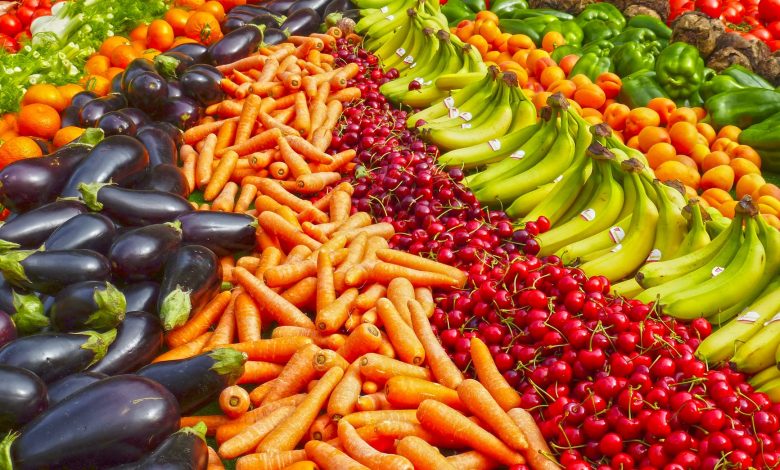
I agree it can be confusing. Author Michael Pollan said “Eat food, not too much, mostly plants”. Too much of what we eat is food-like substances – highly processed edible concoctions that have a long list of very scientific-sounding ingredients. The best foods are the ones that don’t have ingredient lists – the ones you buy in the vegetable and fruit sections of the supermarket. For thousands of years humankind has thrived on natural foods – fruits, vegetables, whole grains, legumes and nuts, seeds and spices. It is only in the last century that the industrial revolution has introduced factory-altered foods to make them more palatable, addictive and provide a longer shelf-life. In doing so our food has lost a great deal of the natural goodness – fibre, phytochemicals, vitamins, minerals, etc.
His second point is also relevant – “not too much”. When the food has been so concentrated and titillated, it is easy to over-indulge, resulting in excessive energy intake. This is one of the main reasons for the obesity epidemic.
If we eat mostly plants, we will not be exposed to high levels of saturated fats, and excessive proteins, heme-iron, inflammatory stimulators, hormones and growth stimulators so rife in animal products.
The media loves controversy – it sells newspapers/magazines. We love to get good news about our bad habits.
So when some study or article makes claims that support people’s bad habits, even when the study has been sponsored by the industries who benefit most from the recommendations, the headlines are all over the place, creating confusion and controversy. There is more than enough very sound research supporting the simple nutritional information we present in this blog, and which has become imbedded in most of the national guidelines around the world.
- I have developed arthritis and it is painful for me to walk or jog, so I can’t exercise!
There are very many challenges in life. If we want to achieve anything worthwhile we have to make sacrifices and overcome barriers. No success comes easily.
A healthy body, a clear mind, energy for living, and freedom from so many of the scourges of modern life require persistence in small, sustainable changes. We should start slowly, but gradually stretch the limits of our capabilities. You may have pain walking or jogging, but you can strengthen your upper body and torso; you may be able to swim with freedom of pain, or cycle. “Where there’s a will, there’s a way.” You may need to counsel with a physiotherapist or a personal trainer, but there are ways you can improve your physical activity.
I hope that the answers you have read to some of the common excuses has given you opportunities to reassess your commitment to change, and think creatively about how you can begin to enjoy the benefits of positive health changes.
Next week we will discuss the SMART pneumonic for implementing changes whether they be with exercise, or dietary changes, or stopping smoking, or dealing with stress in your life.
Until then, contemplate about what you want out of life.
Dave Glass

Dr David Glass graduated from UCT in 1975. He spent the next 12 years working at a mission hospital in Lesotho, where much of his work involved health education and interventions to improve health, aside from the normal busy clinical work of an under-resourced mission hospital. He returned to UCT in 1990 to specialise in obstetrics/gynaecology and then moved to the South Coast where he had the privilege of, amongst other things, ushering 7000 babies into the world. He no longer delivers babies but is still very clinically active in gynaecology. An old passion, preventive health care, has now replaced the obstetrics side of his work. He is eager to share insights he has gathered over the years on how to prevent and reverse so many of the modern scourges of lifestyle – obesity, diabetes, ischaemic heart disease, high blood pressure, arthritis, common cancers, etc. He is a family man, with a supportive wife, and two grown children, and four beautiful grandchildren. His hobbies include walking, cycling, vegetable gardening, bird-watching, travelling and writing. He is active in community health outreach and deeply involved in church activities. He enjoys teaching and sharing information.
HAVE YOUR SAY
Like the South Coast Herald’s Facebook page, follow us on Twitter and Instagram