This week I would like to share some musings about life and health and our expectations thereof. I was listening to the thunder and seeing the flashes of lightening last night – harbingers of summer. Just a few short weeks ago we were in the midst of a drought. My lawn was looking sad with big patches of dead grass. Now I battle to keep it under control and neat. Plenty of free heaven-sent water together with a good dose of nitrogen released with each explosion of lightning has made a huge difference to the growth of plants in my garden.
ALSO READ : Turning the Tide – Lifestyle Medicine – Report of LM202 (2)
I grow vegetables, protected from the monkeys by shade net. It provides healthful diversion from the stresses of life, apart from very delicious fresh produce. But in times of drought and a temperamental water supply it can be hard work to provide enough fluid sustenance for growth and health of my plants.
Over the last few weeks I have been cramming knowledge into my “maturing” brain preparing for my board examination in Lifestyle Medicine (thankfully successfully completed). But all that time studying prevented me from keeping the weeds at bay in my garden, and I have been amazed at the rapidity of growth. What I have noted is how easily weeds grow compared to the effort expended in tendering and nurturing my vegetables. I have to fertilise them (organically as much as possible) and cut and trim and train, whereas the weeds flourish and overwhelm my vegetables with no effort on my part – merely with neglect.
Musing no 1.
The Creator has designed an intricate and complex system of life that is to some extent self-sustaining. You don’t need to fertilise the weeds or treat them with insecticides. They seem to flourish without any help from our side. Think of the forests and savannahs of the world. Thousands of different species grow without any input from mankind. In fact it is our interference that has brought destruction to vast swathes of the world, to the detriment of natural systems. Humanity is destroying, through poor agricultural practices and the outpouring of toxic wastes, the very soil that sustains plant life.
Extravagant use of insecticides is killing the bees and insects that pollinate our fruit trees. The restrictions of Covid-19 have seen impressive recovery of some of those natural systems resulting in less air pollution, cleaner water systems and return of long-gone animals and birds to certain areas. If we could only co-operate with these natural systems of soil production, nurturing the soil micro-biome (a fascinating study), sustainable agricultural practices, and stewardship of the resources, we would see recovery of these healing processes.
What is needed is better awareness of natural systems and changing our practices to be in harmony rather than fighting against or interfering with them.
It is imperative that we teach our children to be responsible in how we treat our environment.
Musing no 2.
Just as in the environment around us, how we treat the environment within can either interfere with natural processes, or enhance the incredibly complex healing mechanisms that sustain life and vitality. I was studying the complexity involved in a normal blood pressure. We tend to take for granted a healthy blood pressure that is high enough to distribute nourishing blood throughout the body, but not too high to “burst the pipes”, (one of the problems with our temperamental local municipal water supply!).
Blood pressure is controlled by scores of factors. Special sensors in the brain and heart wall cause the release of chemicals that control kidney function and adrenal gland production; chemicals produced within the delicate lining cells of blood vessels cause dilatation or constriction of the blood vessels; exercise or rest, sleep or eating food all influence the distribution of blood and the blood pressure.
A normal blood pressure is what we are designed to have – but there are so many things we do to our bodies that interfere with that natural balance, which result in up to a quarter of our population suffering from high blood pressure, with all its harmful consequences. So we take ourselves off to the local doctor or clinic and start the lifelong process of ingesting expensive and troublesome medications. If we were only willing to correct the harmful practices that upset the incredibly well-designed system in the first place, we could restore a normal blood pressure without those medications in many if not most patients.
This is the basis of Lifestyle Medicine – dealing with the root causes of our failing health, restoring the natural processes designed into the system by an incredibly intelligent Bio-engineer. Next week we will explore some of the underlying principles of Lifestyle Medicine and how we can adopt them into our lives.
Have a great week, maintaining vigilance against Covid-19.
Dave Glass
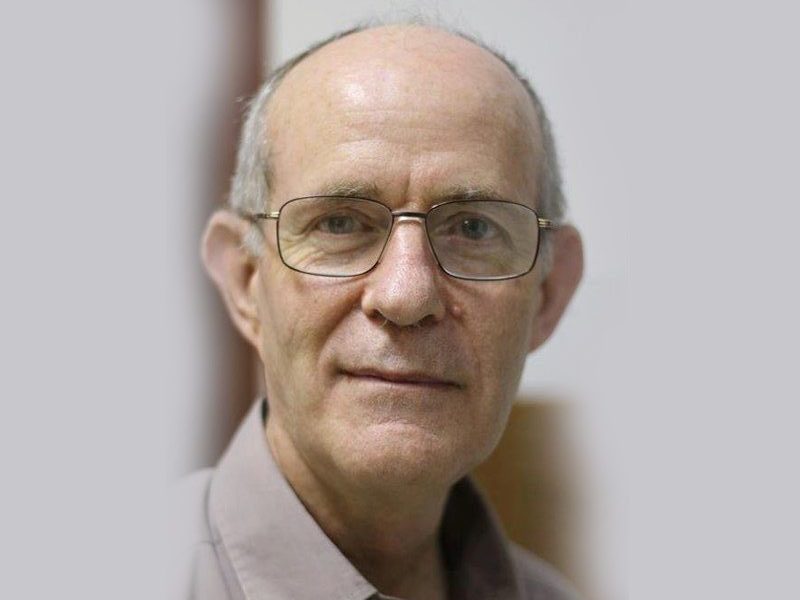
Dr David Glass graduated from UCT in 1975. He spent the next 12 years working at a mission hospital in Lesotho, where much of his work involved health education and interventions to improve health, aside from the normal busy clinical work of an under-resourced mission hospital. He returned to UCT in 1990 to specialise in obstetrics/gynaecology and then moved to the South Coast where he had the privilege of, amongst other things, ushering 7000 babies into the world. He no longer delivers babies but is still very clinically active in gynaecology. An old passion, preventive health care, has now replaced the obstetrics side of his work. He is eager to share insights he has gathered over the years on how to prevent and reverse so many of the modern scourges of lifestyle – obesity, diabetes, ischaemic heart disease, high blood pressure, arthritis, common cancers, etc. He is a family man, with a supportive wife, and two grown children, and four beautiful grandchildren. His hobbies include walking, cycling, vegetable gardening, bird-watching, travelling and writing. He is active in community health outreach and deeply involved in church activities. He enjoys teaching and sharing information.
HAVE YOUR SAY Like the South Coast Herald’s Facebook page, follow us on Twitter and Instagram