Last week we introduced the subject of Lifestyle Medicine as an attempt to restore the natural homeostatic (balance) processes to our lives and health. Our bodies have incredible complexity with amazing systems to keep physiological processes running smoothly. It takes very clever scientists to unravel the secrets of just one organ system, let alone all the myriads of interactions between all the different organs and functions of the body.
This starts with the astonishingly comprehensive and complex information encoded in DNA found in the original fertilised egg.
The DNA in that one cell provides all the coding for every single cell and enzyme; every single protein and fat manufactured by the body; every architectural and engineering design – how many fingers and toes to grow, and where; the shape of the head and face, the shape of the mouth and the position of the teeth; the relationship of the structure of the gut and vasculature to nourish and also transport nutrients to the liver and the rest of the body – we can go on and on to every organ of the body.
Take a look at the human eye: how and where the eyes develop, with their associated eyelids, eye lashes, eye-brows, lacrymal (tear) glands, lacrymal duct to ensure enough but not too much lubrication of the eyes; the clarity of the cornea and lens; the control of how much light is permitted into the eye through the size of the pupil; the dynamic nature of the lens, and how it can focus sharp pictures upon the retina; the ability of the retina to convert light waves into neural electrical impulses that create the perception of sight in the posterior part of the brain – that gives us the ability to see. We take all of this stunning design so for granted. In fact it is so very complex – and yet every single organ is equally complex. All that information is locked up in the DNA of that one first cell of life of the future baby.
In spite of all this complexity, and perhaps because of it, it behoves us to learn how to care for our bodies in the best possible way.
It is actually amazing how forgiving the body is. No man-made machine would endure such abuse and still continue to function for decades. Can you imagine how long your car would last if you allowed water to contaminate the oil; or you allowed the water levels to drop below the recommended level in the cooling system; or you failed to replace the brake pads when they were worn out; or you never changed the oil for years on end. Your car would most likely rebel very quickly.
Why then would we not want to keep the complex machine of our body running smoothly, so that we can get a good return on investment, and give us many years of reliable use. One thing is certain, you can’t rely on the government, or doctors, or society at large to ensure your health and well-being. You alone have to make decisions about your long-term health. These other institutions and individuals can contribute, but in many ways you are the master of your destiny. Yes we live in a damaged world, where all manner of agents conspire against our health and well-being, but our choices about food, exercise, rest, social connectedness, dealing with stress and living with purpose can go an awfully long way to ensuring the integrity of this organism called “my human body”.
What then is the basis of this “lifestyle medicine” approach to health care? To quote the definition by the American College of Lifestyle Medicine:
Lifestyle Medicine uses evidence-based lifestyle therapeutic approaches to prevent, treat and oftentimes reverse lifestyle-related chronic diseases. The lifestyle medicine approach includes: a predominantly whole food, plant-based diet; regular physical activity; adequate sleep; stress management; avoidance of risky substance use; and use of other non-drug modalities that promote health and prevent disease.
What is the definition of reversal in the above quote? It is defined as: “All laboratory markers or diagnostic tests of a disease are within normal range without current use of any medications and no present signs or symptoms of the disease.”
Next week we will start to examine each one of these interventions practically so we can start to implement them in our lives.
To health and vitality
Dave Glass
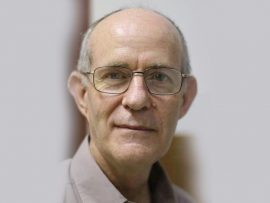
Dr David Glass graduated from UCT in 1975. He spent the next 12 years working at a mission hospital in Lesotho, where much of his work involved health education and interventions to improve health, aside from the normal busy clinical work of an under-resourced mission hospital. He returned to UCT in 1990 to specialise in obstetrics/gynaecology and then moved to the South Coast where he had the privilege of, amongst other things, ushering 7000 babies into the world. He no longer delivers babies but is still very clinically active in gynaecology. An old passion, preventive health care, has now replaced the obstetrics side of his work. He is eager to share insights he has gathered over the years on how to prevent and reverse so many of the modern scourges of lifestyle – obesity, diabetes, ischaemic heart disease, high blood pressure, arthritis, common cancers, etc. He is a family man, with a supportive wife, and two grown children, and four beautiful grandchildren. His hobbies include walking, cycling, vegetable gardening, bird-watching, travelling and writing. He is active in community health outreach and deeply involved in church activities. He enjoys teaching and sharing information.
HAVE YOUR SAY
Like the South Coast Herald’s Facebook page, follow us on Twitter and Instagram