
Last week we discussed the definition of Lifestyle Medicine as identified by the American College of Lifestyle Medicine.
To recap:
Lifestyle Medicine uses evidence-based lifestyle therapeutic approaches to prevent, treat and oftentimes reverse lifestyle-related chronic diseases. The lifestyle medicine approach includes: a predominantly whole food, plant-based diet; regular physical activity; adequate sleep; stress management; avoidance of risky substance use; and use of other non-drug modalities that promote health and prevent disease.
There is a great deal of information out there about health. Hundreds of books claim to have the answer to weight loss, or a clearer brain, or longevity, or control of any number of diseases. The options vary from one extreme of low carbohydrate and high fat/protein to the other extreme of low fat/protein and high carbohydrate, and many variations on the theme. How is it possible that all of these can claim to be right? If they are based on “thumb-suck” science then one can understand the confusion.
But many claim the backing of knowledgeable professionals, and even scientific research.
The above definition of Lifestyle Medicine talks of evidence-based information. It relies upon properly designed, scientifically valid studies, that are reproducible by other investigators.
The most reliable studies are randomised controlled trials – that means that sufficient numbers of two groups of similar candidates are subjected to competing interventions, and are followed for long enough to demonstrate statistically valid and meaningful differences that prove the benefit of the intervention.
These are prospective studies that monitor the outcomes from the time of onset of the study to sufficiently far into the future to see statically valid trends. Retrospective studies very often look at large populations over many years, but have the drawback of depending upon people’s power of recall – and we all know how subjective and imperfect our memory is. Some of the most helpful studies have taken similar population groups with relatively few variations – then followed them up for many years to record different outcomes.
Well known such studies have been the Nurses Health studies I and II and now III conducted by Harvard TH ChanSchool of Public Health, the Physicians Health Study 1 and 2 conducted by the National Institute of Health in the US and the Adventist Health studies I and II conducted by Loma Linda University (which is particularly useful because it looks at relatively minor differences in a fairly homogenous group of people). Because all these studies have large numbers of people involved and because they last many years, the information obtained is fairly reliable.
ALSO READ : Turning the Tide – Lifestyle Medicine
So much has been learned about many health practices. For instance in the Adventist Health Studies – the relationship between the amount of animal products consumed vs various levels of plant-based diets have been used to identify risk factors for conditions like cancer, heart disease, diabetes and obesity. These studies have been widely quoted in scientific studies of health-promoting factors. What does all this have to do with me? By understanding and knowing something about these studies it is harder to be duped with the latest fad diet or behaviour.
Our knowledge is based upon sound evidence of numerous studies conducted upon large populations and conducted over many years. Next week we will look at the ingredients of a whole-food, plant-based diet. A resurgence of Covid-19 infection seems almost inevitable now with the spikes being seen in the Eastern and Western Cape.
Past experience shows that it is only a matter of time till it spreads to other parts of South Africa. It is thus vitally important that we maintain our vigilance and maintain the basics of prevention – wearing of masks, social distancing, avoiding unnecessary exposure to large groups of people, and regular hand sanitising. It is dangerous to become lax in our behaviour. Stay safe, Dave Glass
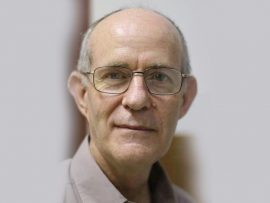
Dr David Glass graduated from UCT in 1975. He spent the next 12 years working at a mission hospital in Lesotho, where much of his work involved health education and interventions to improve health, aside from the normal busy clinical work of an under-resourced mission hospital. He returned to UCT in 1990 to specialise in obstetrics/gynaecology and then moved to the South Coast where he had the privilege of, amongst other things, ushering 7000 babies into the world. He no longer delivers babies but is still very clinically active in gynaecology. An old passion, preventive health care, has now replaced the obstetrics side of his work. He is eager to share insights he has gathered over the years on how to prevent and reverse so many of the modern scourges of lifestyle – obesity, diabetes, ischaemic heart disease, high blood pressure, arthritis, common cancers, etc. He is a family man, with a supportive wife, and two grown children, and four beautiful grandchildren. His hobbies include walking, cycling, vegetable gardening, bird-watching, travelling and writing. He is active in community health outreach and deeply involved in church activities. He enjoys teaching and sharing information.
HAVE YOUR SAY Like the South Coast Herald’s Facebook page, follow us on Twitter and Instagram