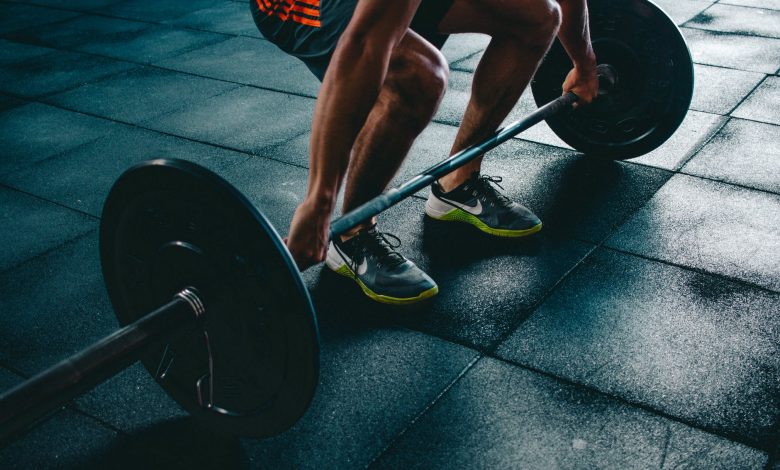
The role of exercise in protecting our health
One of the scourges of modern living is physical inactivity. There are so many gimmicks that make life “easier” – remote TV devices; ready-made or fast foods, home delivery of pizzas; dishwashers; on-line shopping.
Compare this to the physical activity of our ancestors planting and tending vegetable gardens, collecting and chopping firewood, cooking meals from scratch, hand-washing clothes and dishes, sweeping the house and yard, cutting the lawn, carrying heavy bags of groceries from the shops.
ALSO READ : Turning the Tide – Lifestyle Medicine and its contribution to health(7)
It is far too easy to plonk yourself down on the sofa in front of the TV and while away the time, being entertained by the box, and grazing unconsciously on high energy, low nutritional-value snacks that block up your arteries and make you feel bloated and depressed. Add to that the addictive value of sugar, fat and salt imbedded in the snacks, and you have a sure-fire recipe to shorten your lifespan.
How does exercise improve health?
- Cardiovascular health is improved through increasing the oxygenation of the heart and reducing blood pressure.
- Blood vessel growth is stimulated in muscles increasing oxygenation and efficiency of muscle function.
- Improvement of mental alertness through better oxygenation of blood feeding your brain.
- Improved cognition and reduced risk of dementia.
- Improved executive function – so if you are studying for an examination, or making important business decisions, or working on a difficult problem – go for some aerobic exercise first.
- Even 10 minutes aerobic exercise can increase brain-derived neurotrophic factor (BDNF) which proliferates connections between nerve cells in the brain improving mental function; and even increases the size of the hippocampus – the memory and learning centre of the brain.
- Exercise, especially if done in the morning or early evening, can improve the quality of sleep – restful sleep allows proper reprogramming of the brain, rebooting the system, and efficient storage of memory.
- Bone density is increased especially with impact type exercise or resistance training. This would include walking, jogging, skipping, gardening and active sports, but not include swimming or cycling.
- Exercise if done regularly has been found to increase will-power. So you need to have will-power to get going, but the more you exercise, the easier it is for you to keep active.
- Exercise increases metabolic rate not only during the workout, but for up to 3 days after the workout
- Regular vigorous exercise in some studies has been shown to be equally effective to medications for anxiety and depression
- Exercise can reduce insulin resistance and increase insulin sensitivity, thus is an important part of therapy for pre-diabetes and diabetes.
- Exercise improves the gut microbiome, and either via that route, or independently it also improves gut function, and reduces constipation.
- Moderate exercise improves the immune function. It reduces chronic inflammation – the underlying mechanism in all chronic diseases like obesity, diabetes, atherosclerosis, cancer and auto-immune diseases.
This is by no means a complete list of the benefits of activity and exercise. Even if there were only 5 benefits, it would be worth the effort to increase our activity.
But there are so many benefits – it really is such a pity to ignore the opportunity to impact your quality of health and well-being.
Have I persuaded you to be active? Even if you start with just 5 minutes every day. Remember the way to get something done is to make specific plans – be SMART:
- Specific- e.g. walk or cycle or skip
- Measurable e.g. for 5 or 10 minutes, 5 days per week
- Action-oriented – e.g. what will you do to remind yourself, or to plan the activity into your day?
- Realistic – don’t come up with ideas you are unlikely to carry through
- Time frame – plan for the next week – short term, not long term goals.
One of the best ways to be accountable is to find a buddy who can work out with you.
Another is to keep an exercise journal – some exercise apps will make recording easier.
Next week we will look at different types of exercise.
Get and stay fit.
Dave Glass

Dr David Glass graduated from UCT in 1975. He spent the next 12 years working at a mission hospital in Lesotho, where much of his work involved health education and interventions to improve health, aside from the normal busy clinical work of an under-resourced mission hospital. He returned to UCT in 1990 to specialise in obstetrics/gynaecology and then moved to the South Coast where he had the privilege of, amongst other things, ushering 7000 babies into the world. He no longer delivers babies but is still very clinically active in gynaecology. An old passion, preventive health care, has now replaced the obstetrics side of his work. He is eager to share insights he has gathered over the years on how to prevent and reverse so many of the modern scourges of lifestyle – obesity, diabetes, ischaemic heart disease, high blood pressure, arthritis, common cancers, etc. He is a family man, with a supportive wife, and two grown children, and four beautiful grandchildren. His hobbies include walking, cycling, vegetable gardening, bird-watching, travelling and writing. He is active in community health outreach and deeply involved in church activities. He enjoys teaching and sharing information.
HAVE YOUR SAY
Like the South Coast Herald’s Facebook page, follow us on Twitter and Instagram