The role of exercise in protecting our health (2)
This week we promised to look at different types of exercise and some specific benefits of each type. Last week we looked at many of the role of exercise in health. We also established that to not exercise is a waste of precious resources with which we are blessed.
To put it a bit more bluntly – not keeping active is a bit like buying a very expensive car and never washing and cleaning it, not having it properly serviced, and letting it sit in the hot sun and driving rain. One might think that you actually don’t respect your expensive car, or certainly don’t value it.
ALSO READ : Turning the Tide – Lifestyle Medicine and its contribution to health(8)
Perhaps a more positive way to view our expensive car would be to rather think of it as being so valuable that you want it to last a long time, and you want to get the best out of your investment.
You make sure it is regularly washed and maintained; you keep it in a protected environment, and you take it out regularly for a spin to keep the engine lubricated and functional.
You have pride in your car, and you want it to be admired.
Now getting back to practical issues. Exercise is described in four categories:
Aerobic or Cardio – exercise that makes your heart rate and breathing faster
Resistance training or Strengthening – building muscle strength
Flexibility or stretching – gently stretching ligaments, muscles and joints
Balance training – challenging the balance centres in your brain, and building muscles strength to ensure good balance and co-ordination
I know of two common forms of exercise that encompass all of these – active garden work, and active housework. Just reflect on the types of exercise involved in accomplishing tasks in the house or garden – provided of course that you do all the work yourself.
In the garden it involves, the physical activity of cutting the grass, digging beds or removing stumps and trees, cutting branches, loading the trailer or dumpster, watering the garden, carrying compost or fertiliser, climbing trees or ladders to trim vegetation – all done for the joy of beautiful flowers or shrubs, or tasty fruits and vegetables.
I know that, especially at the coast, it is a constant battle with the elements, the monkeys, fungal and insect pests. But there are ways of overcoming these challenges.
Housework involves physical activity of moving furniture, sweeping and vacuum cleaning, washing floors and walls, washing and hanging clothes out to dry, cleaning windows and bathrooms, making beds, washing dishes – it can be really back-breaking work.
Of course if you have a maid or gardener, you lose out on the benefits of the exercise for yourself. It also depends on the size of your garden or house and how actively involved you are in keeping house and garden neat and attractive.
There is a certain amount of satisfaction in having a neat and tidy garden or house. It builds self-esteem and a sense of accomplishment. It stimulates positive emotions and appreciation of beauty. That is something few hired hands can achieve. Not only are you creating a place of beauty and functionality but you are also getting the benefits of exercise for health and positive emotions.
The benefits of aerobic exercise are pretty obvious – slower resting heart rate, ability to walk, or jog or climb or hike without excessive fatigue or breathlessness. It builds oxygen supply to muscles and strengthens the heart muscle and expands the lungs.
What is less appreciated are the benefits of strength or resistance training. Here is a list that research has demonstrated:
- Reduces risk of injury
- Increases basal metabolic rate (the rate your body burns up energy at rest)
- Reduces fatigue
- Improves sleep
- Improves performance
- Increases muscle bulk
- Improves quality of life, strength, endurance and bone density, especially in women just after menopause
- Reduces body fat and maintains weight,
- Improves blood cholesterol and blood sugar levels
- Reduces pain and disability associated with arthritis
Flexibility training improves the range of movements of joints. Most unfit people are aware of stiffness of joints, which make movements difficult or painful.
Balance training can reduce the risk and extent of injuries, especially in our senior citizens. Many falls are due to imbalance. These falls can result in fractures which can hasten death in the elderly, due to poor lung function, blood clots and pneumonia.
So what does all this tell us? Keep active. Active people are healthy people.
Next week we will look at the role of sleep in a healthy life.
Dave Glass.
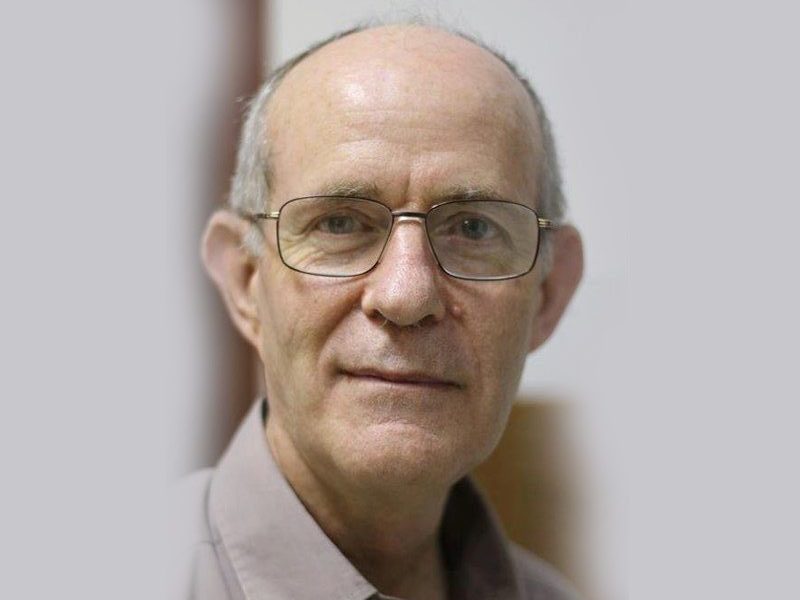
Dr David Glass graduated from UCT in 1975. He spent the next 12 years working at a mission hospital in Lesotho, where much of his work involved health education and interventions to improve health, aside from the normal busy clinical work of an under-resourced mission hospital. He returned to UCT in 1990 to specialise in obstetrics/gynaecology and then moved to the South Coast where he had the privilege of, amongst other things, ushering 7000 babies into the world. He no longer delivers babies but is still very clinically active in gynaecology. An old passion, preventive health care, has now replaced the obstetrics side of his work. He is eager to share insights he has gathered over the years on how to prevent and reverse so many of the modern scourges of lifestyle – obesity, diabetes, ischaemic heart disease, high blood pressure, arthritis, common cancers, etc. He is a family man, with a supportive wife, and two grown children, and four beautiful grandchildren. His hobbies include walking, cycling, vegetable gardening, bird-watching, travelling and writing. He is active in community health outreach and deeply involved in church activities. He enjoys teaching and sharing information.
HAVE YOUR SAY
Like the South Coast Herald’s Facebook page, follow us on Twitter and Instagram