The role of sleep in maintaining brain function (1)
We are all too familiar with how getting children to bed on time in the evenings is almost always a battle of the wills. Children are usually so enthusiastic about life and activity – they see sleep as wasted opportunities to experience life. On the other end of the spectrum are people who are happy to while away the night and much of the day sleeping, because life has lost its excitement, and has become purposeless.
ALSO READ : Turning the Tide – Lifestyle Medicine and its contribution to health(9)
Why is sleep vital to brain health?
Although only weighing around 1,5 kg, (2% of body weight) the adult brain consumes around 20% of energy utilised by the body each day. All that amount of metabolism is bound to produce a lot of waste products – free radicals, carbon dioxide, break-down products of cell death, etc. With all that activity going on during hours of wakefulness, sleep becomes the time when the brain becomes cleaned up and re-formatted for the new day. The microglial cells are a specialised population of macrophages, (cells that swallow damaged cells and infections) that are found in the central nervous system (CNS). They clean up the brain and maintain the health and function of the CNS.
Another vital function of sleep is to give the brain an opportunity to efficiently and systematically store data. Every second of the day, your brain is making memory data – pictures, facts, information. The data needs to be stored efficiently and in an ordered manner to allow for better access in the future.
Sleep gives the brain a chance to re-boot, which enhances the smooth running of the “brain computer” the next day. Thus adequate sleep, with a higher proportion of slow-wave sleep gives greater restorative effect on the brain. A higher proportion of REM (rapid-eye movement) sleep enhances learning, consolidation of memory, faster cognitive processing and greater anxiety extinguishment. (To put it in scientific jargon).
How much sleep do we need?
The average for adults is between 7-9 hours per night. Children obviously need more. Some people seem to get by comfortably with less, but often this is just because of habit.
How does sleep affect our general health?
Sleep has multiple effects on various organs and systems. Here are some of those:
- Adequate sleep lowers cortisol and glucose levels in our blood, and increases insulin sensitivity
- Reduced daytime leptin levels (the hunger hormone)
- Helps to reduce high blood pressure
- Increases stamina and faster cardiovascular recovery with exercise
- Promotes DNA repair and prevention of cancer through increasing anti-cancer cytokines
- Reduces breast, endometrial, prostate, colorectal cancers and acute myeloid leukaemia
- Boosts the immune system – particularly important during the pandemic
- Reduces major depression and anxiety
Too often busy people see sleep as a waste of time. It turns out, sleep is a vital component of health of mind and body. We would do well to plan our lives so that we ensure adequate sleep each night.
Next week we will talk about the physiology of how we sleep. This will make it easier to deal with the problem of insomnia – difficulty with sleep.
Stay safe
Dave Glass
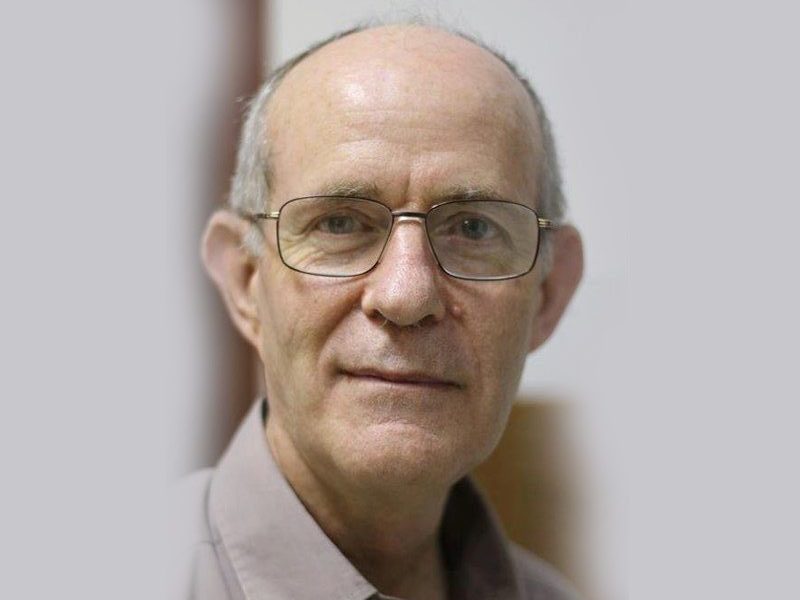
 Dr David Glass graduated from UCT in 1975. He spent the next 12 years working at a mission hospital in Lesotho, where much of his work involved health education and interventions to improve health, aside from the normal busy clinical work of an under-resourced mission hospital. He returned to UCT in 1990 to specialise in obstetrics/gynaecology and then moved to the South Coast where he had the privilege of, amongst other things, ushering 7000 babies into the world. He no longer delivers babies but is still very clinically active in gynaecology. An old passion, preventive health care, has now replaced the obstetrics side of his work. He is eager to share insights he has gathered over the years on how to prevent and reverse so many of the modern scourges of lifestyle – obesity, diabetes, ischaemic heart disease, high blood pressure, arthritis, common cancers, etc. He is a family man, with a supportive wife, and two grown children, and four beautiful grandchildren. His hobbies include walking, cycling, vegetable gardening, bird-watching, travelling and writing. He is active in community health outreach and deeply involved in church activities. He enjoys teaching and sharing information.
HAVE YOUR SAY
Like the South Coast Herald’s Facebook page, follow us on Twitter and Instagram