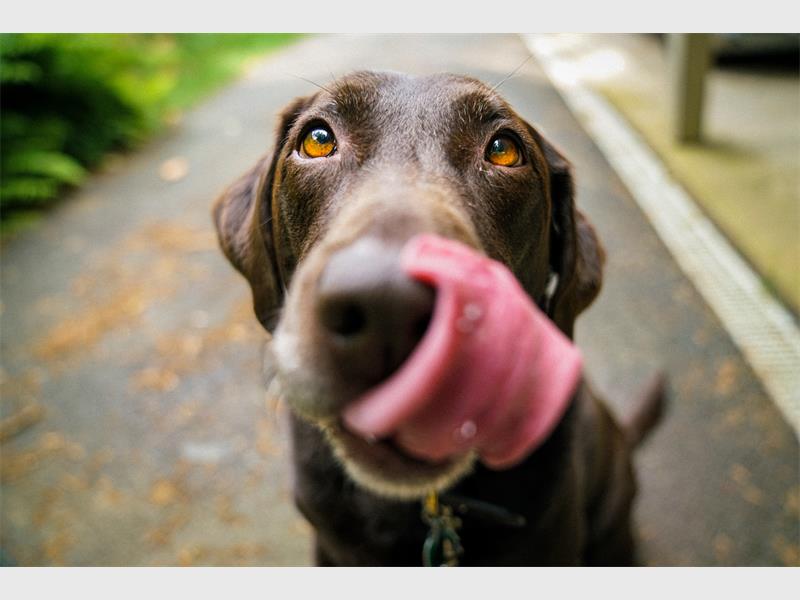
Last year this time, people all over the world were in a total state of panic, as reports were rife about dogs being abandoned in China – it was believed that the dogs were infecting their owners with Covid-19.
However, it was found that pets living with humans who were infected with the virus, could contract the virus from the infected owner but it did not adversely affect the pets.
There are no documented cases of Covid-infected pets causing infections in humans, a fortunate situation not only for the dogs but also for all the billions of people involved with dogs, owners of dogs, vets who have to treat sick animals, animal trainers, police dog handlers in K9 units, and security guards working with dogs and animal shelters.
Ongoing studies
Scientists have been carrying out research at the Texas A&M University’s College of Veterinary Medicine & Biomedical Sciences, these studies have shown evidence supporting the fact that emerging and increasingly dangerous variants of the virus may not only infect the pets living with a human, who is infected with those variants of Covid, but could actually be correlated with Myocarditis in some infected pets.
Myocarditis is an inflammation of the heart tissue, that in serious cases can cause heart failure.
Reported in the journal ‘SCIENCE’
March 19, 2021 – eight cats and three dogs had been admitted to animal hospitals in the United Kingdom between December 2020 – February 2021, they were all suffering from Myocarditis, they were all infected with the UK variant (B.1.1.7).
ALSO READ : You and Your Dog: Summer is fun but not always for dogs
According to ‘SCIENCE’ none of these animals had a previous history of heart disease, yet they all had the symptoms ranging from lethargy, loss of appetite, rapid breathing and fainting.
Tests revealed cardiac abnormalities, including – irregular breathing and fluid in the lungs, all symptoms seen in humans infected with Covid-19.
Further to this, seven of the animals got the polymerase chain reaction tests, three of them came back positive for SARS-CoV-2 – all with the B.1.1.7 variant – SARS-CoV-2 antibody tests on four of the other animals picked up evidence that two had been infected with the virus.
Texas, reported that they had also found that pets, living with owners infected with the B.1.1.7 UK variant – were also infected with the UK strain of Covid.
Pets might display symptoms such as sneezing, coughing, runny tummies or being less active than normal, researchers reported that all symptomatic animals had fully recovered.
According to Texas A&M Today, the B1.1.7 variant spreads easier and quicker than other variants.
Please take careful note of the following:
* People who are infected with Covid-19 should stay away from pets and other animals, if you cannot avoid interaction with animals, sanitise/wash your hands and wear a mask.
* If you have been diagnosed or suspect you may have been infected with Covid-19 and your pet is showing signs of myocarditis or other illness, seek the advice of you veterinarian.
I will endeavour to keep you all informed as more scientific data becomes available.
HAVE YOUR SAY
Like the South Coast Herald’s Facebook page, follow us on Twitter and Instagram