Turning the Tide – The role of diet in preventing and even reversing non-communicable diseases (1)
This has had a dramatic impact on the incidence of non-communicable diseases (NCDs) in the world - conditions like cardio-vascular disease, diabetes, obesity, auto-immune diseases, dementia and cancer.
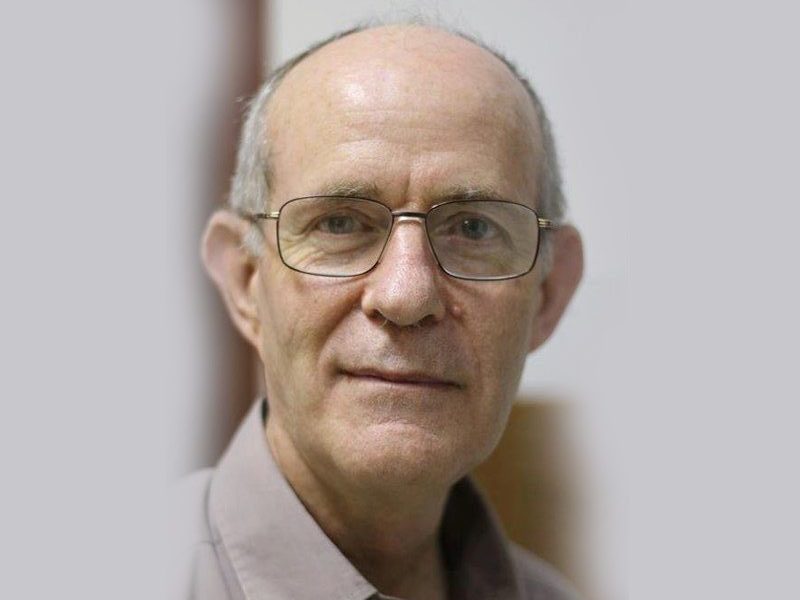
Today’s article is a milestone – no 150 in our series of “Turning the Tide”. I started writing about health issues back in 1977 when I was tasked with developing a comprehensive health care project at Maluti Adventist Hospital in Lesotho. The purpose of the project was to address the most common causes of illness and death in Lesotho, which in those days were things like TB, childhood gastro-enteritis, burns, pregnancy-related maternal deaths and childhood infectious diseases.
ALSO READ :
My first writing project, in collaboration with our community health team, was a regular health education newsletter in the vernacular which we distributed widely to community leaders – chiefs, business people, church leaders, principles of schools, traditional healers and other people of influence. Thanks to the effect of our programme, we were able to dramatically reduce the incidence of childhood deaths from dehydration caused by gastro-enteritis, and made some inroads into maternal mortality.
I left Lesotho in 1989 just as the scourge of HIV broke on that country which, just as in South Africa in the early 90’s, had devastating effects on life expectancy. Today we will introduce the subject of nutrition and particularly the western diet which has become almost universal, thanks to marketing by big business. This has had a dramatic impact on the incidence of non-communicable diseases (NCDs) in the world – conditions like cardio-vascular disease, diabetes, obesity, auto-immune diseases, dementia and cancer.
These conditions have become a pandemic in their own right, and as we have noted before, also have a major influence upon the morbidity and mortality of those who are affected by Covid.
Modern medicine has done a good job generally in the management of most of the infectious diseases which caused major problems in the past – typhoid, cholera, measles, diphtheria, polio, smallpox, and more recently with HIV. Of course our world has been overwhelmed with Covid-19, but at least there is some hope of control if enough people get vaccinated, before too many new variants break out. With all the research that has gone into developing vaccines for Covid, new hope has arisen that effective vaccines for Malaria, Dengue and Zika viruses, and even HIV will be developed.
An important intervention is the need to address the causes of NCDs. Modern pharmaceutical and surgical therapies may go some way to slowing down the progress of these diseases, but are not able to reverse them. These treatments have side effects, and are very expensive. A coronary bypass operation costs around R450-500,000 nowadays in South Africa. An article published in 2019 by Global Health Action estimated that in 2018 just public sector (not private sector costs) of diagnosing and managing type 2 diabetes were around R2,7 billion, and around R21,8 billion if both diagnosed and undiagnosed patients are considered.
This is estimated to rise to R35 billion by 2030. And these figures only relate to two of the NCDs. We can’t afford to sit on our hands while this tsunami of preventable illness threatens our country. Dietary advice is confusing and highly emotive. On the one hand we have the low carb, high fat (like the Banting or Keto or Paleo) proponents, who make a strong case for their recommendations which seemingly have good scientific backing to support them. On the other hand are the whole food, plant-based advocates who promote a high complex-carbohydrate, and low fat diet, which they also claim to be supported by science. Many people just give up on the confusion and go back to eating what tastes nice, and leave the debaters to themselves.
We will not get into the debate today, as we want to present a sound and rational perspective on the role of diet in health and disease. This is so important. Important considerations are the following:
- The healthiest diet must be economically viable for both individuals and our planet
- The healthiest diet must be based on physiological principles
- The healthiest diet must be readily available/accessible to all people
- The healthiest diet must promote longevity and vitality
- The healthiest diet must reduce all-cause morbidity and premature mortality (disease and death)
- The healthiest diet must be flavourful, varied, attractive and enjoyable
It is when we use these principles to guide our investigations that we will be able to establish the most healthful approach to nutrition.
Next week we will discuss the Spectrum approach to diet and nutrition, based on the ideas and teachings of Dr Dean Ornish, doyen of Lifestyle Medicine.
The spectre of the third wave of Covid-19 looms high.
Please be vigilant with your social behaviours.
You can’t let the guard down now, as frustrating as it has been.
Dave Glass
HAVE YOUR SAY
Like the South Coast Herald’s Facebook page, follow us on Twitter and Instagram