Why we do the things we do and make the choices we make, is complex. It is common for us to start the new year with resolutions to make more healthy choices about diet, exercise, bad habits, etc. But we all know that we seldom carry out those resolutions to completion. Why is that? Why is it that rational thought and wisdom are so often displaced by our feelings or moods or external pressures?
ALSO READ: Turning the Tide: Lifestyle Medicine A rational approach to weight loss
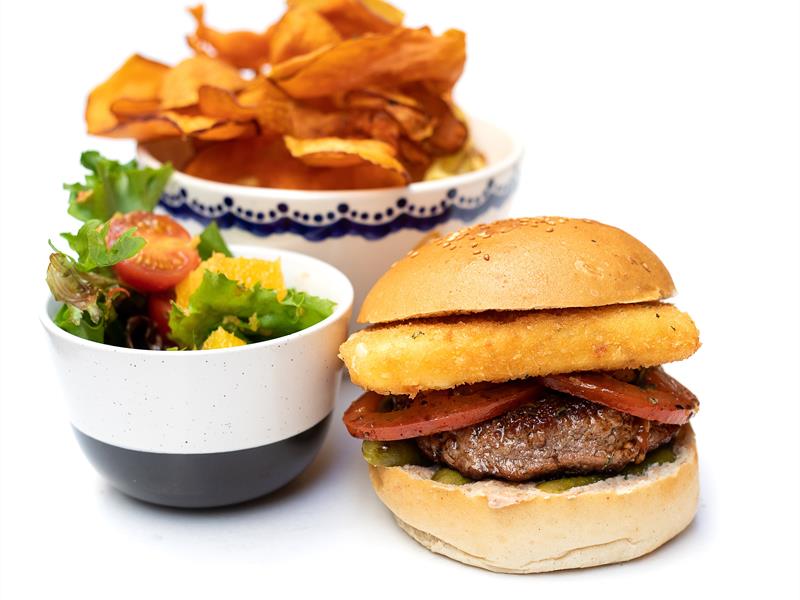
I came across some fascinating studies, reported by Dr Michael Greger in his masterpiece ‘How not to diet’ that relate to how people reason when faced with various menu choices at restaurants. A well-known fast-food joint voluntarily decided to improve their image by offering a healthier side-dish. Originally the options were French fries or baked potatoes. But what could be better than also offering a side-salad? When only the first two options were available, only about 10% of clients chose the chips. However, when the salad option was added, surprisingly 50% of the clients chose the chips.
A similar response occurred if clients were offered a bacon cheeseburger, a chicken sandwich, or a veggie burger instead of a fish sandwich. Having the veggie burger option meant the number of people who chose the bacon cheeseburger actually doubled. Just seeing a healthier option pushed people to make a less healthy choice. The phenomenon has been called ‘vicarious goal fulfilment’. The subconscious reasoning is: “Oh, there is a healthy option in this place, so next time I’ll choose that one, but now I will just indulge myself!”
Another phenomenon is the ‘halo effect’. If a few sticks of celery or carrots are added to the plate of food, most people would decrease their estimate of the number of kilojoules in the dish significantly.
This then gives them the permission to eat more or add a dessert that their rational brain might have told them to forego.
The last phenomenon mentioned is the ‘what-the-hell effect’. You decide to have just a few squares of chocolate to satisfy your craving. But then, after those few squares, you just throw caution to the wind and consume the whole slab. “Next time, I will be better!” Once you have strayed from your goals, you may as well go all the way.
A similar phenomenon happens when someone is trying to stop smoking. In a moment of unrestraint, you suddenly find yourself smoking a cigarette. “Oh well, I messed up this time. I may as well enjoy my packet” – and before you know it you are back to where you started.
It is helpful to understand how our mind plays games with our will to be healthy.
Dr Dave Glass
MBChB, FCOG(SA), DipIBLM
HAVE YOUR SAY
Like the South Coast Herald’s Facebook page, follow us on Twitter and Instagram