Save the date: Super Blue Blood Moon is coming
NASA has said that people all across the globe - if you have access to the internet - will still be able to view the entire show wherever they are.
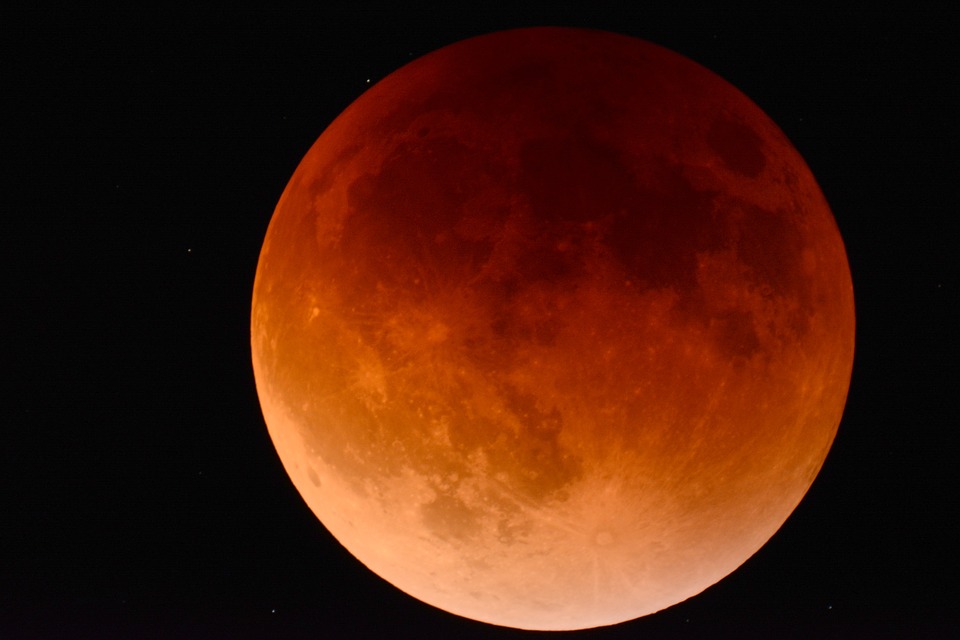
January 31 is a date South Africans will surely want to remember – sadly, they won’t be outdoors comfortably seated in a camping chair with binoculars and telephoto cameras and tripods.
A rare lunar occurrence is set to be enjoyed by most of the world as eyes will turn to the skies when our moon becomes a Super Blue Blood Moon – for the first time in 150 years.
“If you live in the Central time zone, viewing will be better, since the action begins when the Moon is higher in the western sky. At 4.51am CST the penumbra — or lighter part of Earth’s shadow – will touch the moon.
YOU MIGHT ALSO BE INTERESTED IN: ‘Super blood moon’ to give stargazers a rare show
By about 6.15am CST the earth’s reddish shadow will be clearly noticeable on the moon. The eclipse will be harder to see in the lightening pre-dawn sky, and the moon will set after 7am as the sun rises,” The National Aeronautics and Space Administration said in a statement.
We were really hoping this occurrence will be visible for South Africans but scrolling further down in the statement, our hearts were broken when we found an image indicating that South Africa wasn’t fortunate enough.
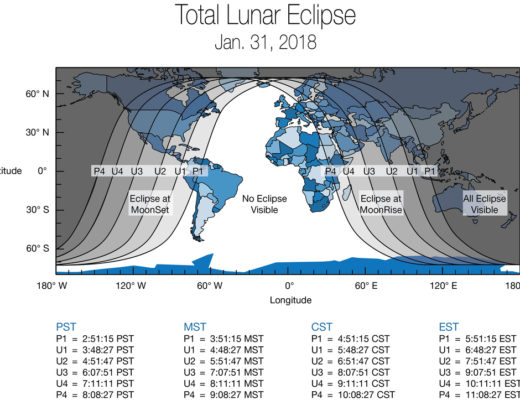
Rest assured, that doesn’t mean you won’t be able to enjoy the show. NASA has said that people all across the globe – if you have access to the internet – will still be able to view the entire show wherever they are.
So save this link and tune into it when the special day arrives and watch it as it happens: https://www.nasa.gov/nasalive
If you are however, accessing this article from the United States, we still have you covered with viewing times thanks to NASA.
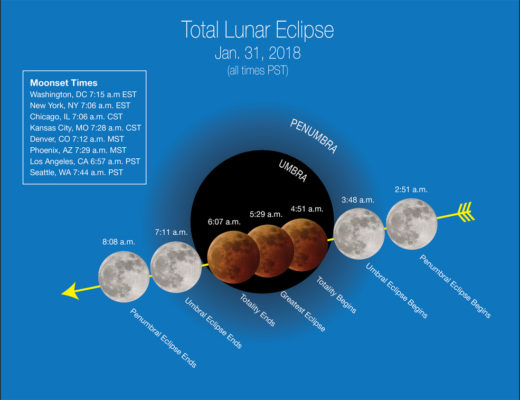
“For those in the Middle East, Asia, eastern Russia, Australia and New Zealand, the “super blue blood moon” can be seen during moonrise the morning of the January 31,” NASA said.
If you are on Twitter, you can also follow the eclipse on @NASAMoon
YOU MAY ALSO BE INTERESTED IN: Will the moon really turn green tonight?
Can one full moon be a blue moon, a blood moon and a supermoon all at once? Yes, and it happens Jan. 31. The best views will be from the western part of North America, Alaska or Hawaii. Find out more: https://t.co/dOLUdvUZkt pic.twitter.com/AjgCuWjAxy
— Cassini (@CassiniSaturn) January 18, 2018
“The January 31 full moon is special for three reasons: It’s the third in a series of ‘supermoons,’ when the moon is closer to earth in its orbit – known as perigee – and about 14 percent brighter than usual.”
“It’s also the second full moon of the month, commonly known as a ‘blue moon.’ The super blue moon will pass through earth’s shadow to give viewers in the right location a total lunar eclipse. While the moon is in the earth’s shadow it will take on a reddish tint, known as a ‘blood moon,'” NASA explained.
For more information on the Super Blue Blood Moon, click on the link: https://goo.gl/koDSw4
HAVE YOUR SAY
Like our Facebook page, follow us on Twitter and Instagram
For news straight to your phone, add us on BBM 58F3D7A7 or WhatsApp 082 421 6033