May 4: On this day in world history …. briefly
Interesting historic snippets and facts taken from the book ‘On This Day’ first published in 1992 by Octopus Publishing Group Ltd, London.
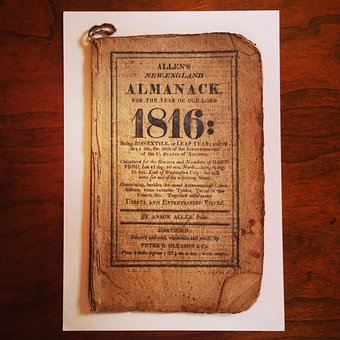
1799: Tipu Sahib, the formidable warrior Sultan of Mysore in southern India, fights to his death when the British overwhelm his capital at Seringapatam.
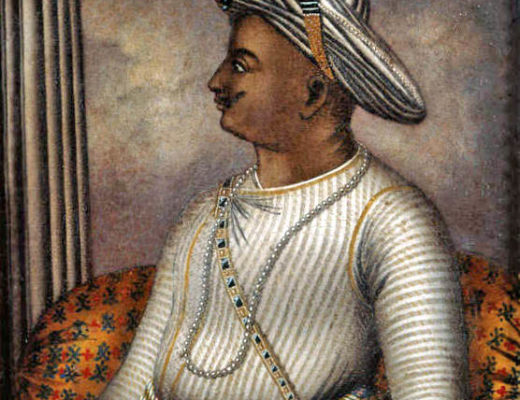
1839: Cunard shipping line is founded by Sir Samuel Cunard.
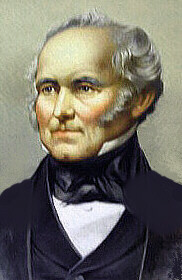
1863: A 23-year running conflict in New Zealand erupted in a pitched battle between the Maoris and British settlers at Taranaki. Three weeks earlier Maori leader Rewi Maniapoto urged his people to rise up and kill Westerners and subsequently a war party was attacked leaving eight British soldiers dead. The Maoris accused the settlers of cheating them out of their land. Settlement spread rapidly despite the Treaty of Waitangi, which enshrined Maori rights in 1840, and conflict spread with it.
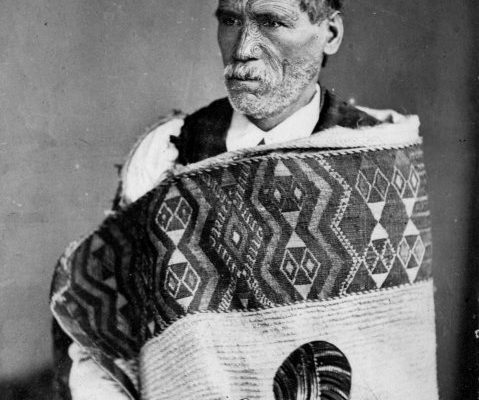
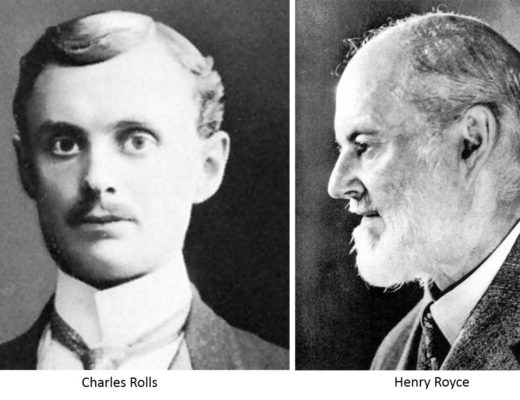
1904: Charles Rolls and Henry Royce sign a provisional agreement to collaborate in the production of Rolls-Royce cars.
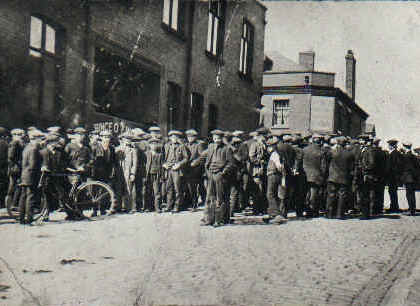
1926: Britain’s workers down tools en masse and the country grinds to a halt when the first-ever General Strike began at midnight after the general council of the Trades Union Congress voted in favour of supporting the miner’s strike which began on May 1 in protest at a wage reduction. Talks between the government and the TUC broke down after printers at the Daily Mail refused to print an article by the editor which denounced the TUC as revolutionary. There were reports of strikers in Glasgow trying to force public vehicles off the road and the army was placed on full alert in Scotland, Yorkshire and South Wales. Volunteers and troops were used to keep essential services running.
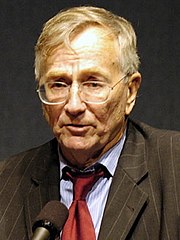
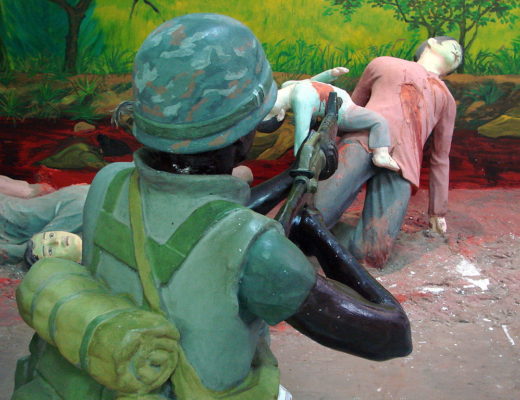
1970: Journalist Seymour Hersh wins the Pulitzer Prize for his reporting of the My Lai massacre in Vietnam, when American troops killed the inhabitants of My Lai village, women and children included.
1970: US National Guardsmen shot and killed four students at Kent State University in Ohio. The dead students, two men and two women, were taking part in a massed anti-war protest when the soldiers fired into the unarmed crowd. Nine students were wounded. Two more students were shot dead at Jackson State University, Mississippi. The killings followed three days of student rioting in which the National Guard used bayonets, teargas and finally bullets. Thousands of students came out in defiance of a state ban on all public meetings. The nationwide campus demonstrations erupted after President Richard Nixon sent US troops into Cambodia a week before.
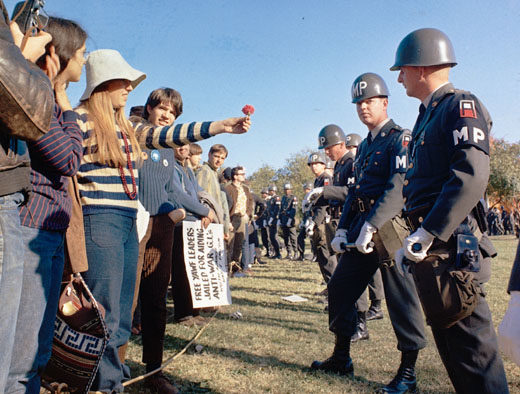
1979: Britain’s first woman Prime Minister Margaret Thatcher moved into No. 10 Downing Street after a resounding election win giving her Conservative government a majority of 43 seats in parliament. A jubilant Thatcher said she felt an ‘aura of calm’. She took the reins of the Conservative Party in 1975 after ousting Edward Heath and her campaign promises included a complete transformation of Britain’s economic and industrial climate. Thatcher planned to wage a war on inflation, privatisation of nationalised industries and a curb on trade union power. “Hands off” the Trades Union Council warned her, but Thatcher-watchers said it was unwise to underestimate her.
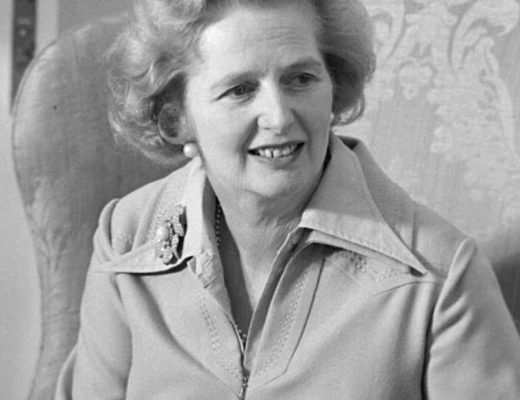
1980: Yogoslavian president Tito (Josip Broz) dies aged 87, having ruled his country since 1953.
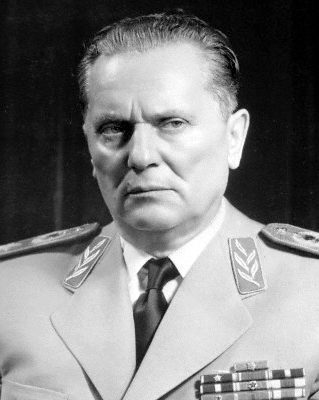
1983: President Reagan announces his backing for the Nicaraguan Contras in their conflict with the Sandinistas.
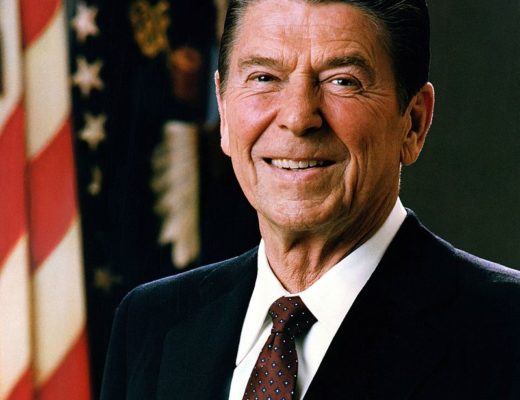
1989: Christine Jorgensen, former US Army private who caused a storm when she had the first-ever sex change operation in 1952, dies of cancer. Born under the name George William Jorgensen Junior was the second child of carpenter and contractor George William Jorgensen Senior and his wife Florence Davis Hansen.

2000: The ‘Love Bug’ virus wreaks havoc with computers all over the world. ILOVEYOU, sometimes referred to as Love Bug or Love Letter, was a computer worm that attacked tens of millions of Windows personal computers on and after May 5 local time in the Philippines when it started spreading as an email message with the subject line “ILOVEYOU” and the attachment “LOVE-LETTER-FOR-YOU.txt.vbs”. The latter file extension (‘vbs’, a type of interpreted file) was most often hidden by default on Windows computers of the time (as it is an extension for a file type that is known by Windows), leading unwitting users to think it was a normal text file. Opening the attachment activated the Visual Basic script. The worm did damage on the local machine, overwriting random types of files (including Office files, image files, and audio files; however after overwriting MP3 files the virus would hide the file), and sent a copy of itself to all addresses in the Windows Address Book used by Microsoft Outlook. In contrast, the Melissa virus only sent copies to the first 50 contacts. This made it spread much faster than any other previous email worm.

HAVE YOUR SAY
Like our Facebook page, follow us on Twitter and Instagram
For news straight to your phone, add us on BBM 58F3D7A7 or WhatsApp 082 421 6033