May 6 – On this day in world history … briefly
Interesting historic snippets and facts taken from the book ‘On This Day’ first published in 1992 by Octopus Publishing Group Ltd, London.

1527: Rome is ransacked by German mercenaries who daub Raphael cartoons with graffiti as they loot the city during battles between the Holy League and Charles V, Holy Roman emperor.
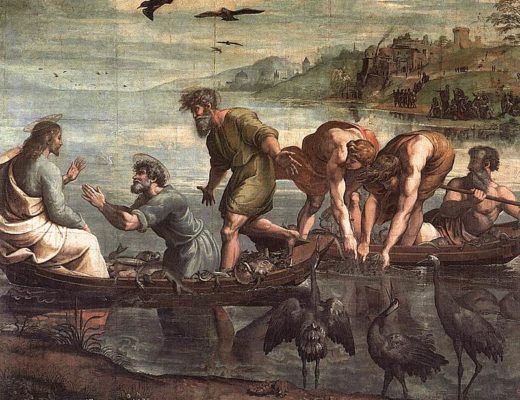
1626: A Dutch official named Peter Minuit buys the 22 square mile (57 square kilometres) island of Manhattan from local Indians for a song! The Indians refused his gold and silver – they wanted knives, beads, trinkets, and, accepted an offer to the value of only 60 guilders (£13/$24). In fact, Manhattan belonged to Holland since 1609 when Henry Hudson, at the commission of the Dutch, explored the Hudson River while seeking a route to the Orient. The first settlers arrived two years earlier, when the new Dutch East India Company’s first governor Cornelis Mey arrived with 30 families and founded the colony of New Netherland, stretching from Manhattan up the Hudson River. Minuit named the settlement New Amsterdam and built a fort there. Manhattan was first discovered by Italian explorer Giovanni da Verrazano, who thought Delaware Bay was the opening to the Pacific.
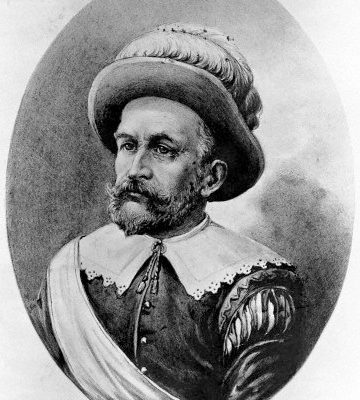
1840: For just a penny, people could send a letter anywhere in the British Isles. The penny bought a printed token – a ‘stamp’ bearing the queen’s portrait, with gum on the back so that it could be pasted on an envelope. The scheme was the brainchild of Rowland Hill.
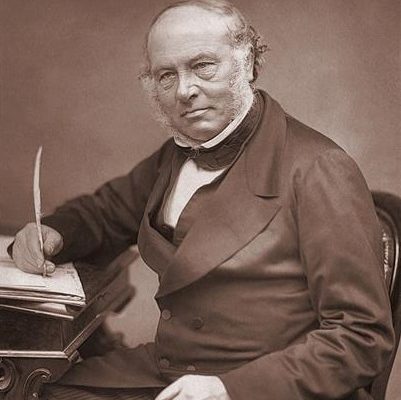
1851: American inventor Linus Yale patents the Yale lock.
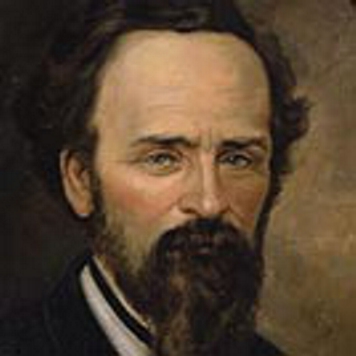
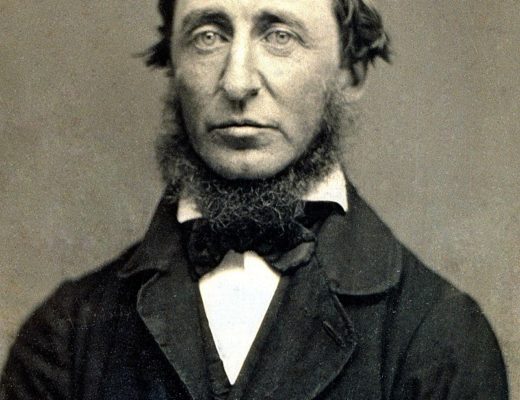
1862: ‘Under a government which imprisons any unjustly, the true place for a just man is in prison.’ American writer and naturalist Henry David Thoreau, who spent time in prison and laid foundations for passive resistance in his book entitled ‘Civil Disobedience’, dies.
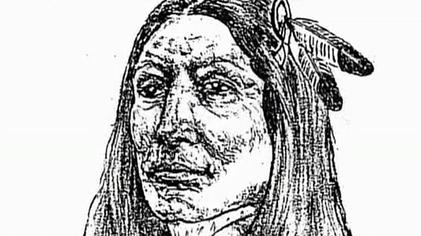
1877: Sioux chief Crazy Horse surrenders and gives up all claim to Nebraska.
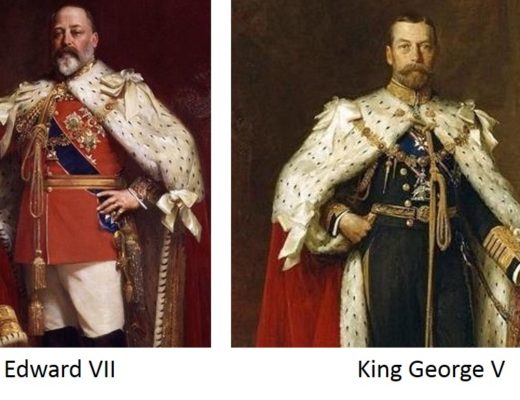
1910: King Edward VII of England dies and George V accedes to the throne.
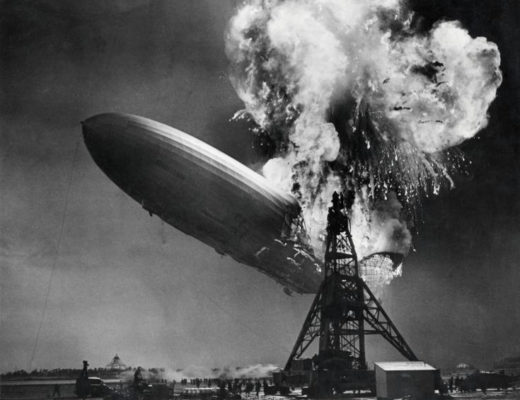
1937: The giant German transatlantic airship ‘Hindenburg’ explodes while landing in New Jersey and plunges to the ground in flames, killing 35 of the 97 aboard and injuring many others. Herb Morrison, a radio commentator for WLS in Chicago, described the scene to listeners: “Oh, the humanity, all the passengers, I don’t believe it.” he said before breaking down in tears. Sailors from the nearby naval base fought to rescue passengers from the burning wreck. The 1 000 foot (304m) airship was delayed by a thunderstorm at the end of her three-day crossing from Frankfurt and is was thought lightning ignited the 7 million cubic feet of hydrogen gas as wet mooring ropes touched the ground. This was the fifth airship to crash and this tragedy spelt the end of the line for them.
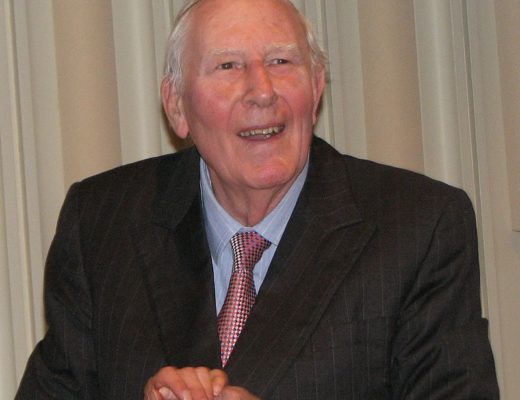
1954: Roger Bannister, a 25-year old British medical student broke an invisible barrier when he a mile in three-fifths of a second less than four minutes. He was running at the Iffley Road track in Oxford, representing the university against the Amateur Athletics Association, with two fellow students setting the pace. Experts long held that it was impossible for man to run a mile in less than four minutes. Bannister took two seconds off the previous record set by Swede Gunder Hagg in 1945. Sir Roger Bannister died on March 3, 2018, aged 88.
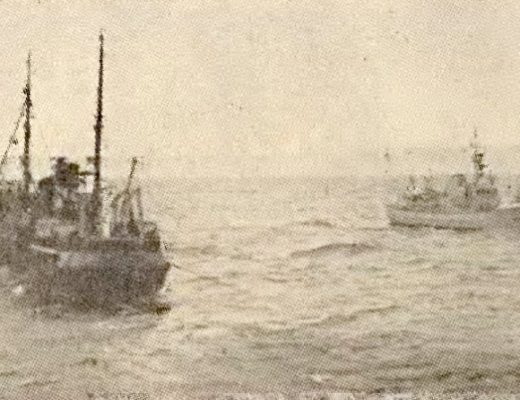
1959: The Cod War between Britain and Iceland over territorial fishing rights heats up when Icelandic gunboats fire live ammunition at British trawlers.
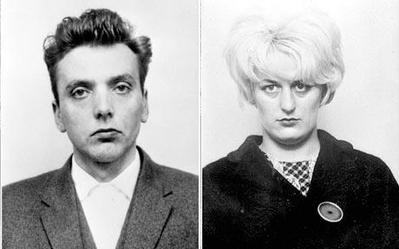
1966: ‘Moors Murderer’ Ian Brady was sentenced to three concurrent life sentences and accomplice Myra Hindley to two. Their crimes came to light when Hindley’s brother-in-law David Smith saw them kill 17-year old Edward Evans with an axe. A left-luggage ticket then led to tapes and photographs of missing Lesley Ann Downey, aged 10. The couple had recorded her ordeal before killing her and burying her body on the Pennine Moors in the north of England. They also killed 12-year old John Kilbride, and police continued searching the moors for bodies of two other children.
1974: West German Chancellor Willy Brandt resigns from office after an East German spy was found on his staff complement. Gunter Guillaume had worked for Brandt for four years despite warnings that he was a security risk. Brandt became foreign minister in 1966 and West Germany’s first Social Democratic chancellor in 1969. In 1971 he won the Nobel Peace Prize for his policies of establishing détente with the Communist bloc.
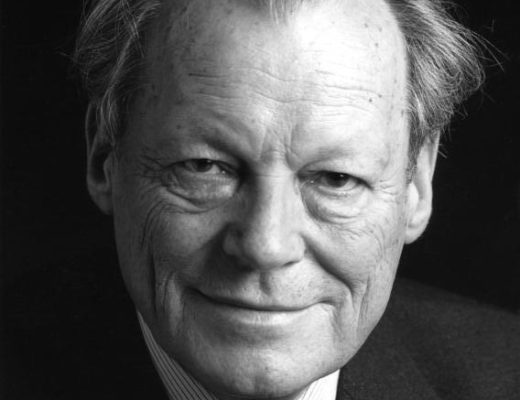
Album Willy Brandt
Bundeskanzler 1969 – 1974 – Wikipedia
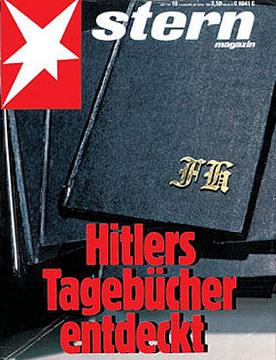
1983: Experts in Bonn announce that the Hitler diaries discovered by a Stern reporter were fake.
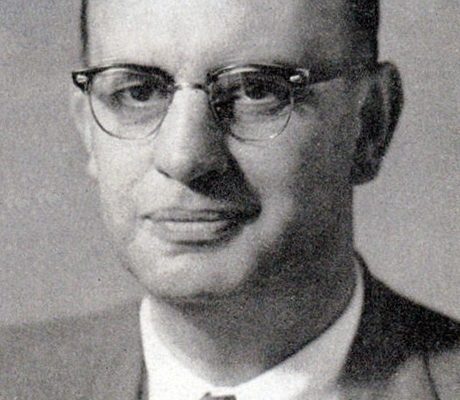
1990: PW Botha resigns from the ruling National Party in South Africa in protest at talks with the ANC.
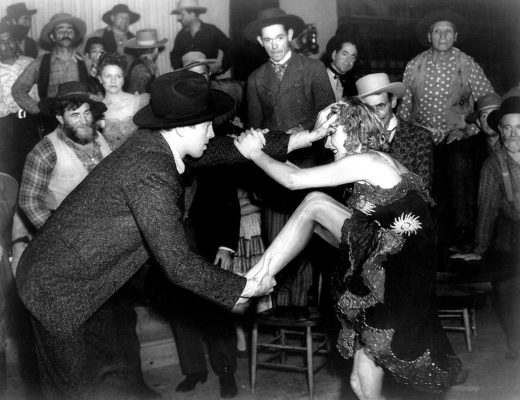
1992: Death of Marlene Dietrich, German actress and entertainer who appeared in Hollywood films like Destry Rides Again, The Blue Angel and Shanghai Express.

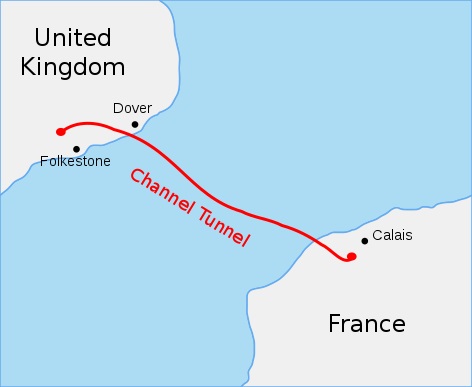
1994: The Channel Tunnel, linking Britain with mainland Europe, is officially opened by Queen Elizabeth and President Mitterand.
HAVE YOUR SAY
Like our Facebook page, follow us on Twitter and Instagram
For news straight to your phone, add us on BBM 58F3D7A7 or WhatsApp 082 421 6033