May 11: On this day in world history … briefly
Interesting historic snippets and facts taken from the book ‘On This Day’ first published in 1992 by Octopus Publishing Group Ltd, London.

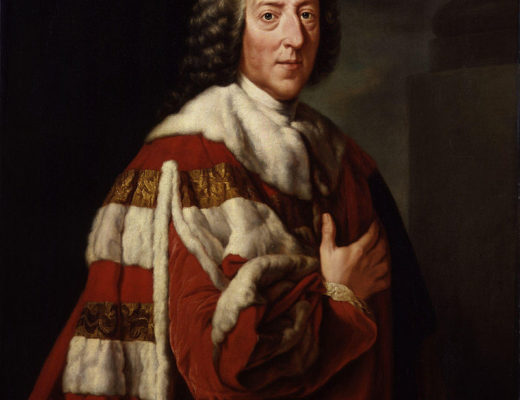
1778: Death of William Pitt (the Elder), first Earl of Chatham, British statesman known as the Great Commoner.
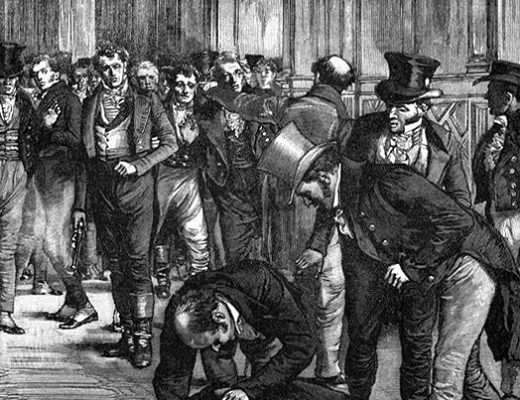
1812: British prime minister Spencer Perceval is shot dead in the House of Commons by bankrupt John Bellingham.
1824: The British capture Rangoon, using a steamship in war for the very first time.
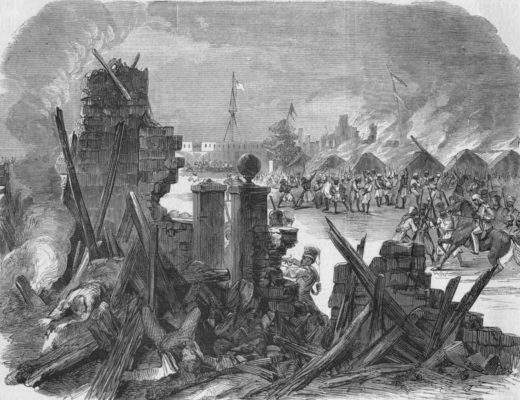
1857: Britain’s Indian Sepoy troops mutiny in Meerut, killing their officers and every European they could find. Thousands march to seize Delhi. The uprising starts after troops of the 3rd Bengal Cavalry were jailed for refusing to handle new supplies of cartridges because they were greased with cow fat – cows are sacred to Hindus. Muslim soldiers meanwhile said that the bullets were greased with pig fat, which no Muslim would touch. There was widespread resentment over British rule, which ran roughshod over Indian sensibilities. British reforms such as banning child marriages and suttee (widow suicides) raised an outcry and a new measure in 1856 requiring Sepoys to serve overseas brought further discontent. The British commander at Meerut was forewarned of the rebellion, but did not believe it could happen and took no precautions.
1858: Minnesota becomes the 32nd US state.

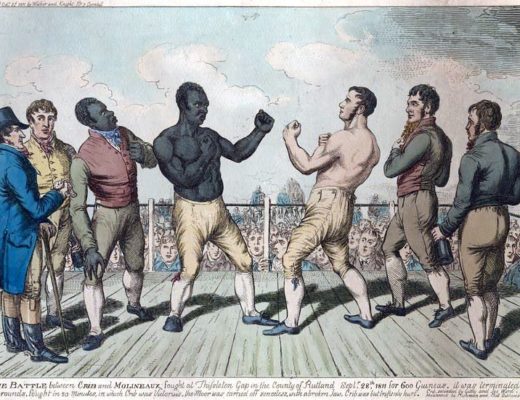
1900: US world heavyweight champion Jim Jeffries knocks out former champion James J Corbett in New York after 23 rounds.
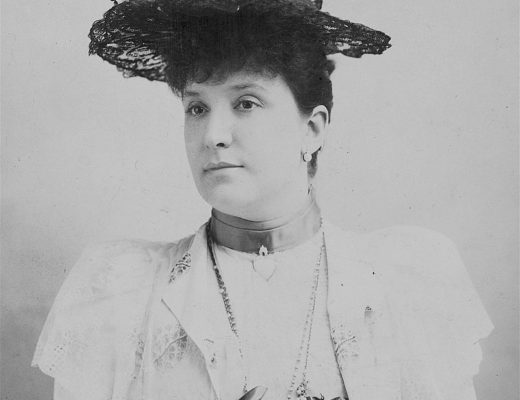
1904: Australian diva Nellie Melba signs a recording contract with the Gramophone Company.
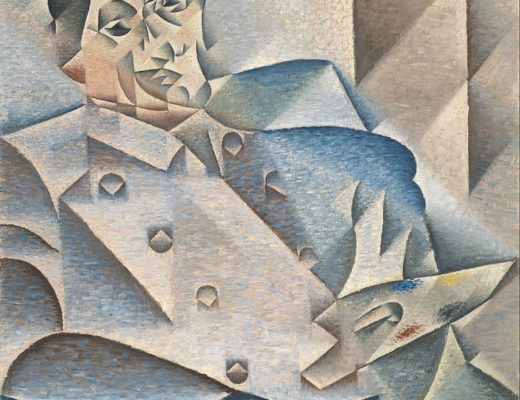
1927: Spanish Cubist painter Juan Gris dies in Paris, where he had lived since 1906.
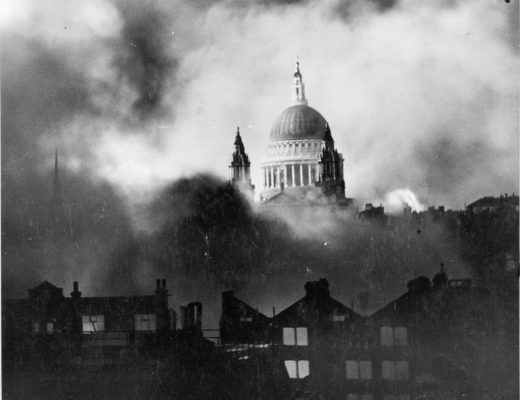
1941: A pall of smoke hid the ruins as a badly shaken London emerged from the worst bombing raids yet. At least 1 400 people died as 550 German planes unloaded hundreds of bombs and more than 100 000 incendiaries over the city. Only 33 bombers were shot down. Many people were trapped beneath the rubble as rescue teams fought to free them. The damage was immense, the House of Commons, Westminster Hall, Westminster Abbey, the British Museum and all the big railway stations were badly damaged. St Paul’s Cathedral was hit, but still stood. German radio announced that the raid had been a reprisal for the bombing of German cities. At that time, London had a total of 20 000 killed in the Blitz and a further 25 000 injured.
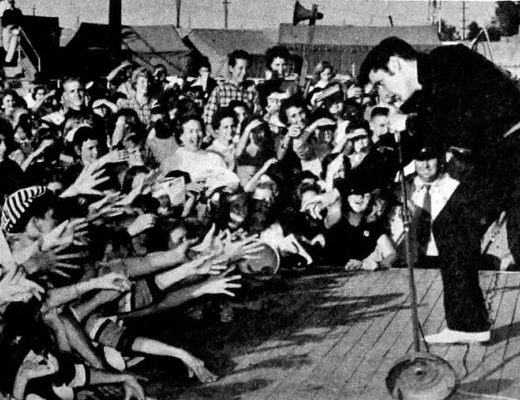
1956: Elvis Presley first enters the UK charts with ‘Heartbreak Hotel’.
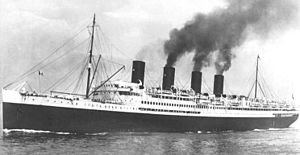
1960: The world’s longest liner SS France, is launched at St Nazaire by General de Gaulle.
1981: New musical ‘Cats’ opened in London – another immediate hit for composer Andrew Lloyd Webber. This show was different, even for the eclectic Lloyd Webber. ‘Cats’ – a ballet-musical, set TS Eliot’s playful poems in ‘Old Possum’s Book of Practical Cats’ to Lloyd Webber’s music, sung by a sinuously agile cast in vivid feline make-up. The score included hits like ‘Memory’ sung by Grizabella the Glamour Cat. Other characters were the suave feline felon Macavity, Rumpleteazer and the Jellicle Cats, who ‘are black and white and come out at night.’ As in ‘Jesus Christ Superstar’ and ‘Evita’, Lloyd Webber hit all the right notes in ‘Cats’ which was a lot of fun – exactly what musicals are for.

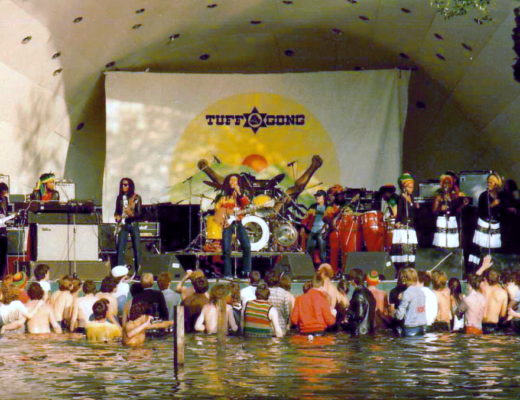
1981: Reggae king Bob Marley dies of cancer at the age of 36. Marley grew up as a ‘rudeboy’ in the Jamaican slums where reggae music and the Rastafarian cult have their roots. He and his group ‘The Wailers’ dedicated their concerts to Ras Tafari, the late Ethiopian emperor Haile Selassie, held to be the one true God. Marley brought reggae and his religion to world attention. It was hard to believe that the man who made such irrepressible music had died.
1985: The main stand at Bradford City football ground in northern England catches fire, killing 40 and injuring more than 170.
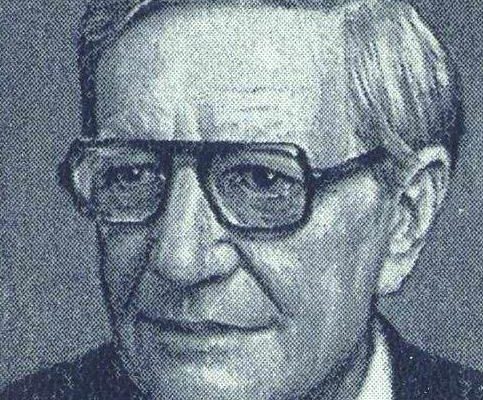
1988: Kim Philby, former British intelligence officer who spied for the Soviets, dies in Moscow aged 76.
1991: The death toll from the cyclone that devastated Bangladesh climbed to an astonishing 250 000. The entire coastal plain, millions of acres of fertile rice land, was underwater following fierce floods that swept away whole communities. Millions of people were marooned in the midst of the flood, with no water to drink, no food, no shelter, no medical supplies and little help on the way.
Birthdays:
Irving Berlin 1888: Russian-born American composer of musical comedies and film scores.
Martha Graham 1893: American ballet dancer and choreographer, one of the most influential teachers of modern dance.
Salvador Dali 1904: Spanish Surrealist painter known as much for his megalomaniac exhibitionism as for the quality of his work.
Phil Silvers 1912: American comedian known for his role as Sergeant Bilko.
Eric Burdon 1914: British rock singer who had hits with the group The Animals before going solo.