June 17: On This Day in World History … briefly
Interesting historic snippets and facts taken from the book ‘On This Day’ first published in 1992 by Octopus Publishing Group Ltd, London.

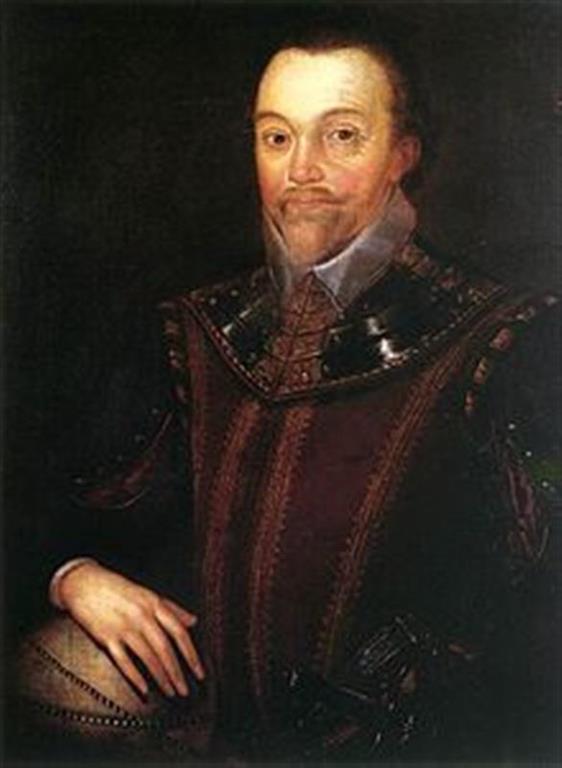
1578: Francis Drake drops the Golden Hind’s anchor off the south-west coast of America and names the area New Albion.
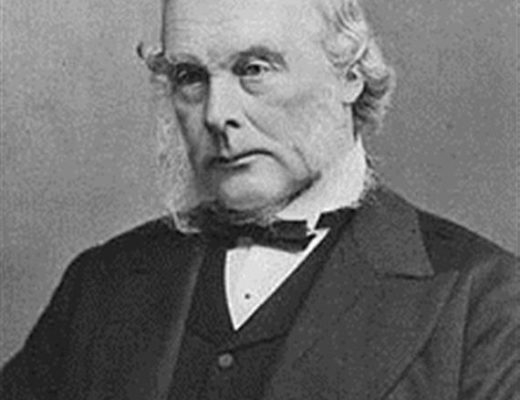
1719: Death of Joseph Addison, English essayist, poet and Whig statesman, who co-founded the ‘Spectator’.
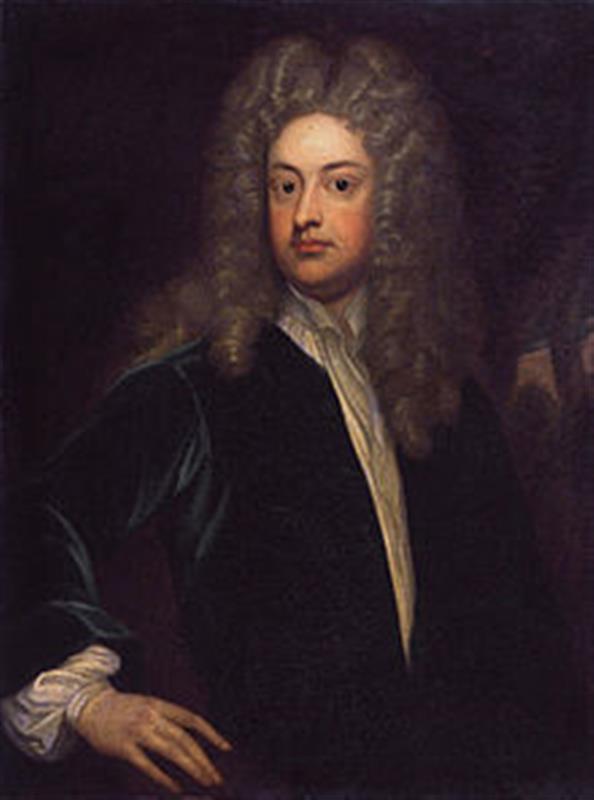
Joseph Addison (Wikipedia)
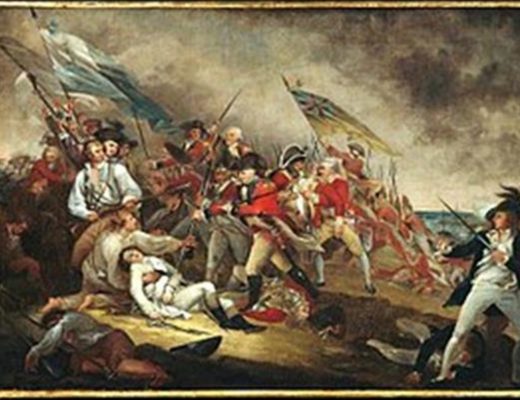
1775: Battle of Bunker Hill
The second battle of the American Revolution commenced at Bunker Hill and Breed’s Hill, just north of Boston, Massachusetts. After an unsuccessful attack on the American left flank, British general William Howe ordered his men to storm the central redoubt defended by 1 600 patriots under the command of Colonel William Prescott. The British were repulsed with blistering fire and only on their third attempt – reinforced with extra troops from Boston – did they succeed in capturing the position. Although the British gained the military victory, the moral victory belonged to the patriots for the courage and discipline they displayed under the fire. The Americans lost around 400 men, the British 1 000.
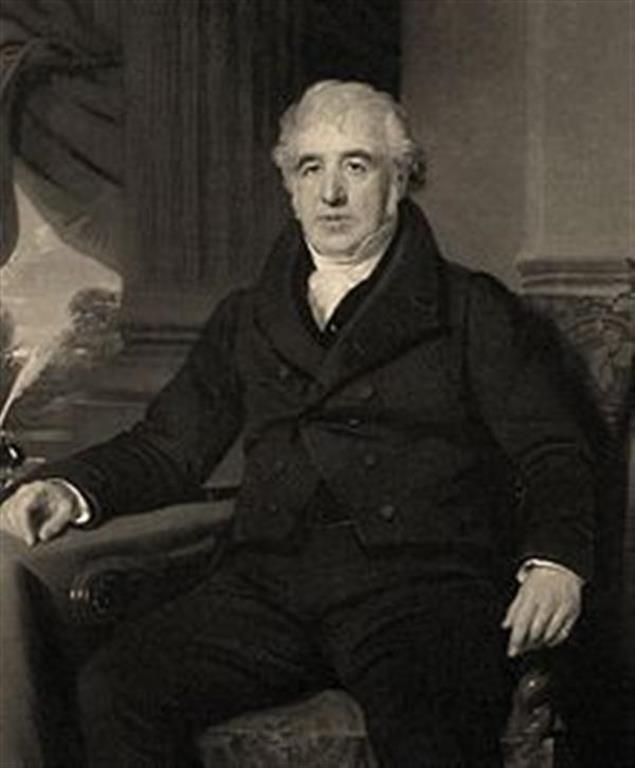
1823: Charles Macintosh patents a waterproof material.
1867: In Glasgow Royal Infirmary, Joseph Lister performs a mastectomy upon his sister using carbolic acid as an antiseptic – thereby becoming the first surgeon to attempt any form of antiseptic treatment.
1944: Iceland becomes an independent republic.

1950: The first kidney transplant is carried out in Chicago.
1963: Cosmonauts duet in space
Valentina Tereshkova, 26, and Valery Bykovsky, 28, liaised for the world’s first-ever date in space. Valery and Valentina made their link-up 30 minutes after Valya’s launch at 10am BST and circled the earth just 12 seconds apart. Colonel Bykovsky’s Vostok V had already been in orbit for two days and nights when Valya’s Vostok VI streaked up to meet him. In Moscow there was dancing and singing in the streets to celebrate the historic event.

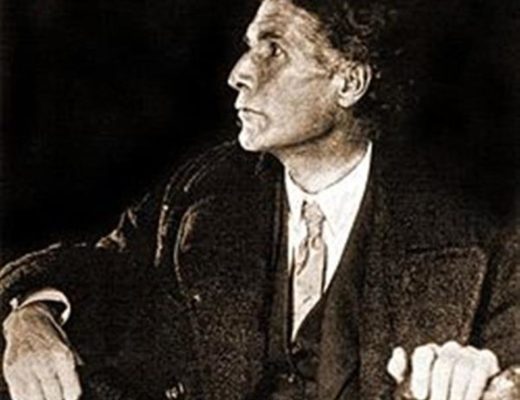
1963: Death of John Cowper Powys, British novelist and poet.
1970: Edwin Land patents the first Polaroid camera.
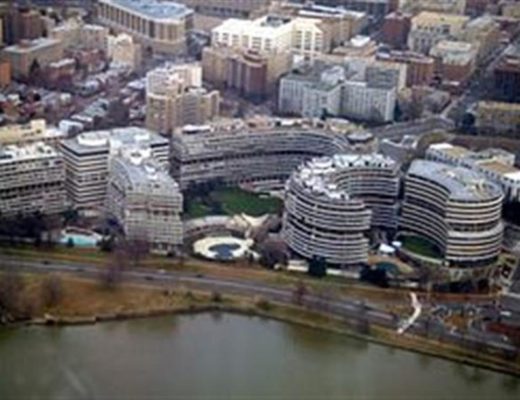
1972: Break in at Watergate HQ
Five men were caught snooping around the Washington complex of flats, offices and hotel known as The Watergate, being used by the Democratic Party as their headquarters during the election campaign. The men were all equipped with electronic eavesdropping equipment. It was rumoured that the men were in the pay of the Republican ‘Committee for the re-election of the President’ (CREEP). A major political scandal ensued.
1982: Italian banker’s mysterious death
A man was found hanging under Blackfriar’s Bridge in London. He was carrying £10 800 ($20 000) in foreign currencies, a fraudulent passport and his pockets were weighted with 12lb (5.4kg) of bricks and stones. Police believed him to be Roberto Calvi, a central figure in the Banca Ambrosiano scandal that rocked Italy. Calvi made a suicide attempt in July the previous year after being convicted of currency offences and three days before his secretary killed herself jumping from a window. Archbishop Marcinkus, president of the Vatican Bank, was also implicated in the scandal.
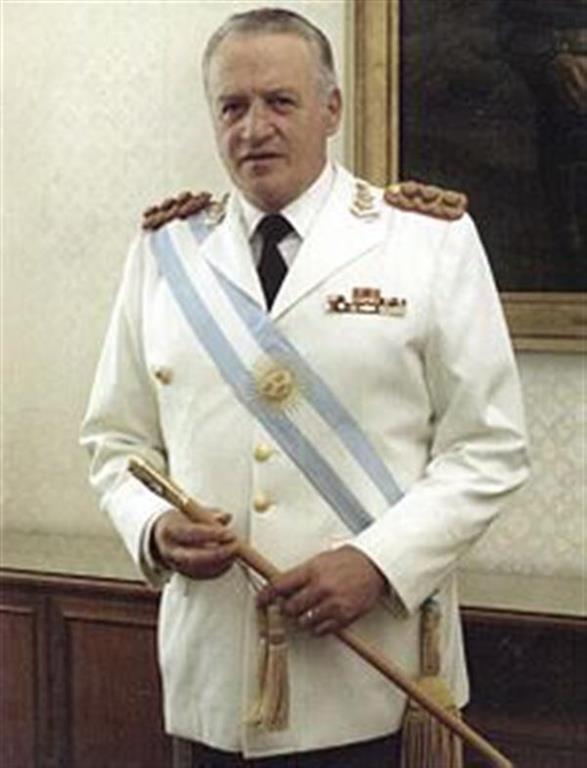
1982: Malvinas loser dumped
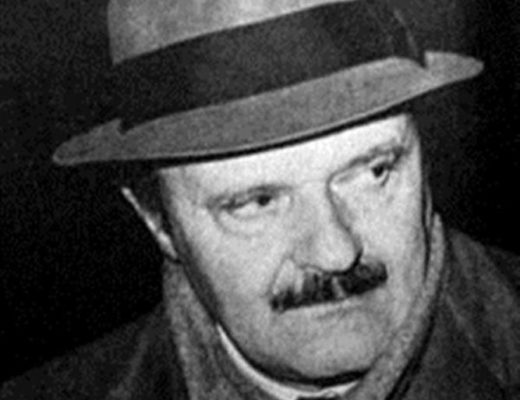
Fourteen generals met at an Army base in Buenos Aires at dawn and voted unanimously to sack , the president who led Argentina into the Falklands war it could never win. Air force chief Basilio Lami Doza, the only junta member to emerge from the war with credit, was expected to replace him. It was understood that the new regime would declare all hostilities with Britain at an end, thus enabling the 10 600 prisoners on the Falklands to be repatriated.
1988: In Kingston, Jamaica, reggae poet Dennis Loban is found guilty of the murder of reggae star and ex-Wailer Peter Tosh and is sentenced to hang.

1991: World in AIDS fight
Eight thousand scientists and researchers gathered at Fortezza da Basso, Florence, for an international conference on AIDS. The disease had spread across 163 countries and was rife in Africa. The World Health Organisation estimated the true number of cases worldwide at more than 1.5 million. AIDS attacked more than 170 000 Americans since 1981 and another 6 000 developed the disease every month. Britain did not have a single sufferer in 1981, but had since documented more than 4 500 cases of the disease.
HAVE YOUR SAY
Like our Facebook page, follow us on Twitter and Instagram
For news straight to your phone, add us on BBM 58F3D7A7 or WhatsApp 082 421 6033