June 21: On This Day in World History … briefly
Interesting historic snippets and facts taken from the book ‘On This Day’ first published in 1992 by Octopus Publishing Group Ltd, London.

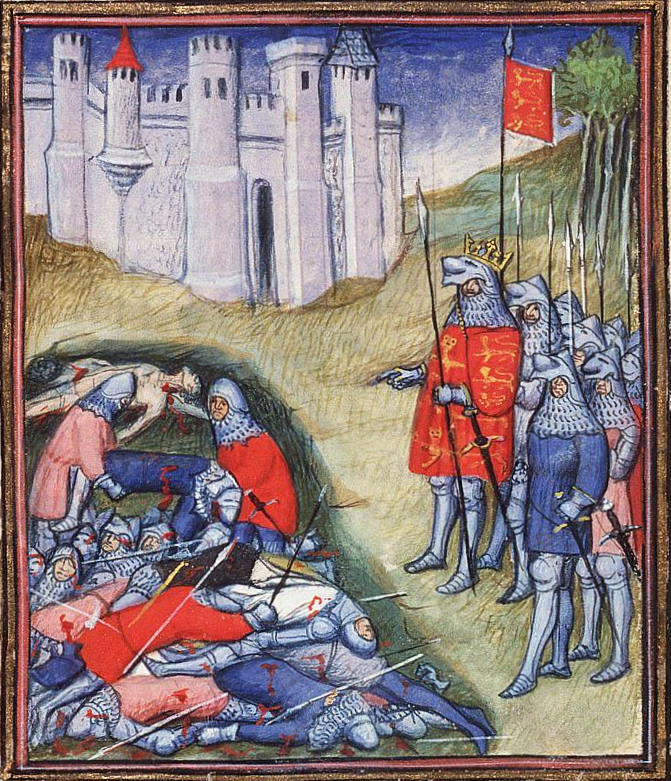
1377: Edward III of England dies after a reign studded with successful military ventures.
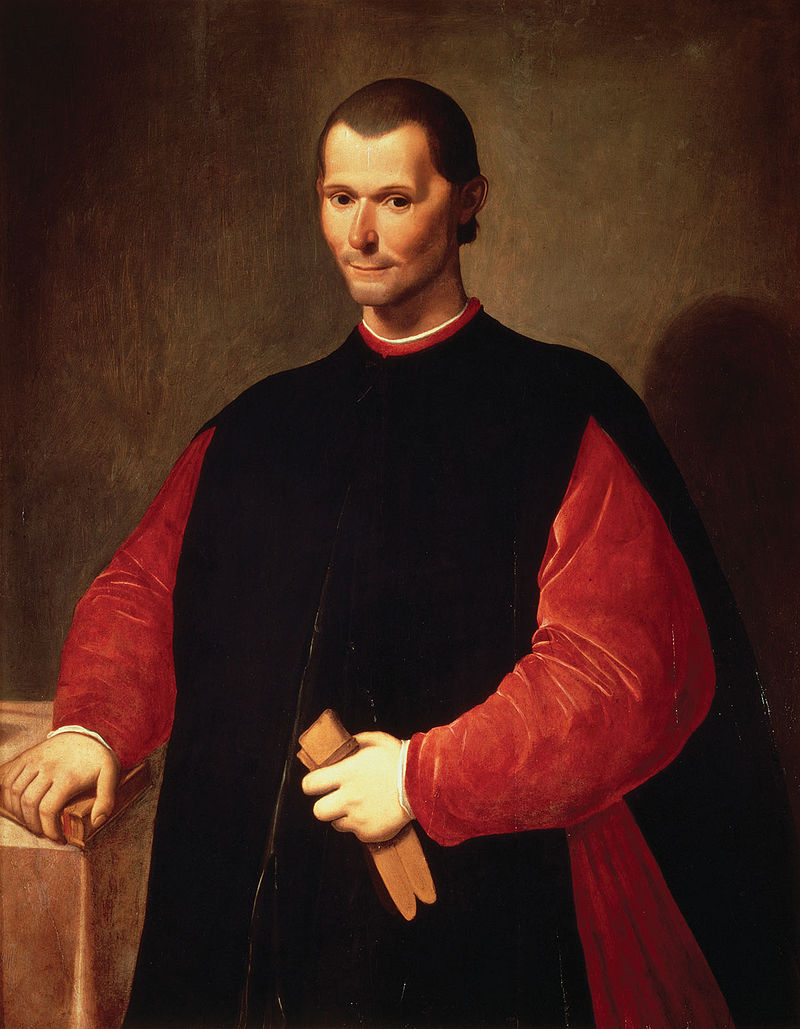
1527: Italian political theorist Niccolo Machiavelli dies aged 58.
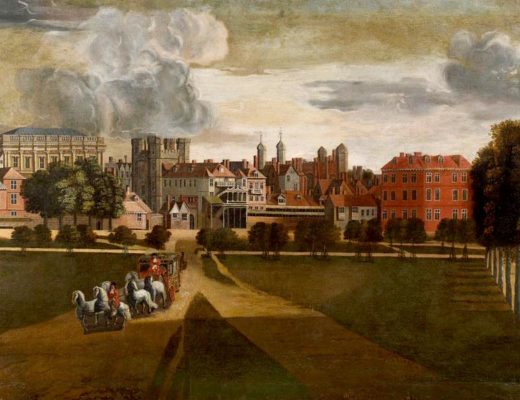
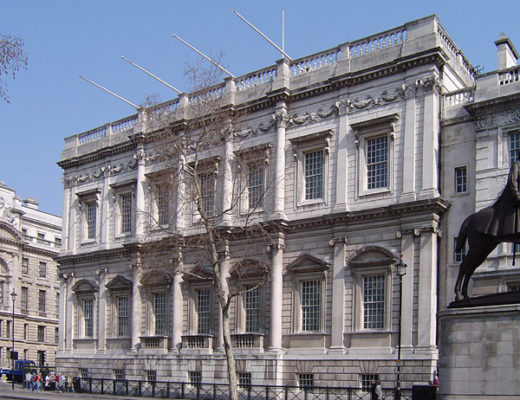
1652: Inigo Jones, the famous architect who founded the classic English tradition of architecture dies. Son of a humble clothworker, he was patronised by Queen Anne and members of the aristocracy – including the Earl of Salisbury, for whom he designed the New Exchange at the Strand. He also designed masques and major buildings for Charles I. It was generally agreed that Jones’s crowning achievement was the magnificent Banqueting House in Whitehall.
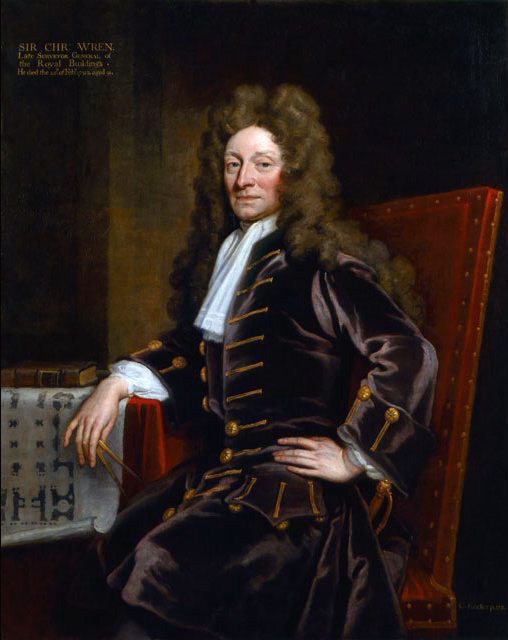
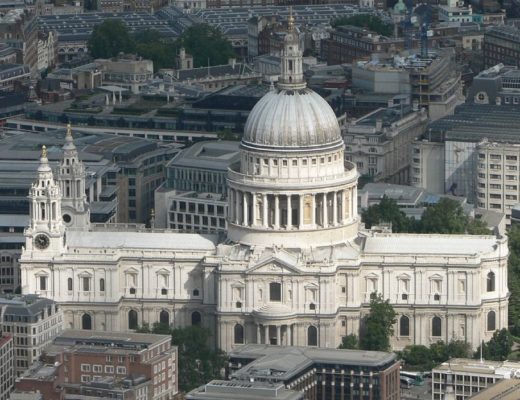
1675: The construction of Sir Christopher Wren’s St Paul’s Cathedral in London commences.
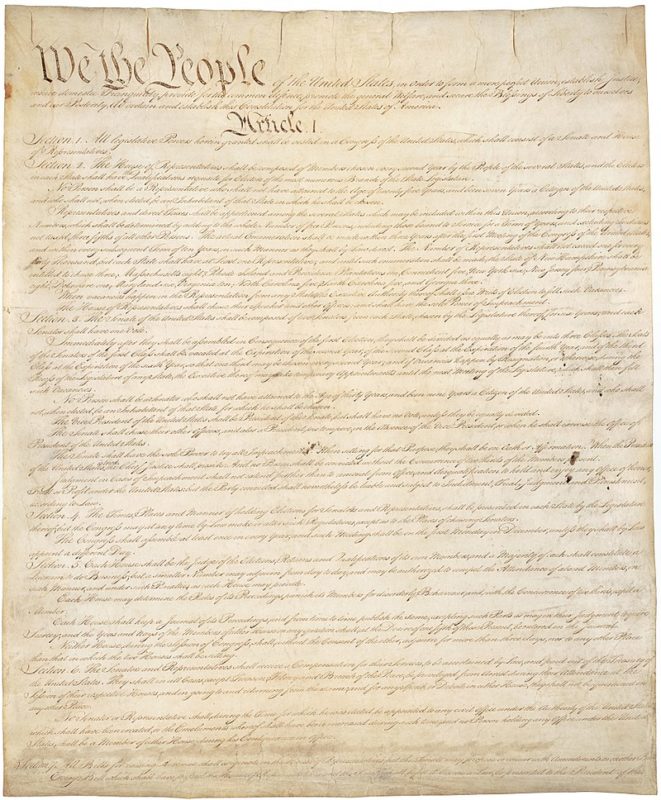
1788: The US constitution comes into force.
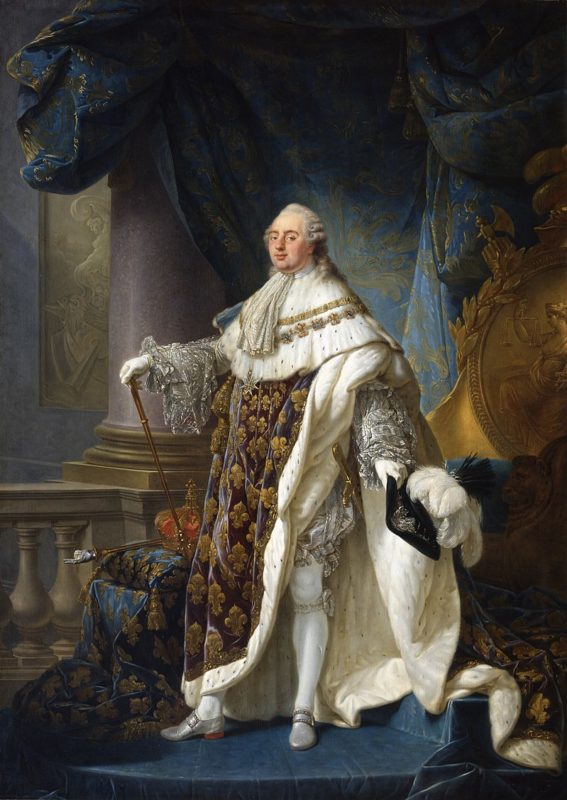
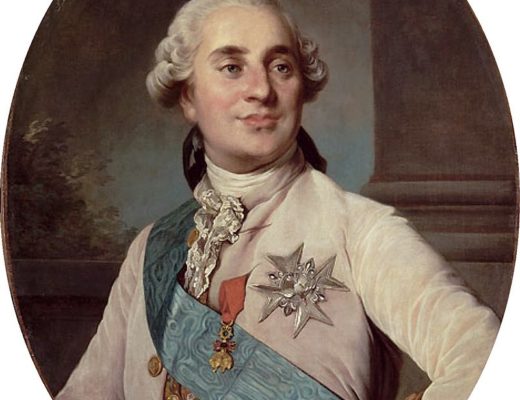
1791: French King foiled in vain escape plan
The escape plan of Louis XVI of France and his family was foiled as members of the National Guard caught the fugitive king at Varennes and brought him back to Paris. He had been attempting to get away to safety across the country’s eastern border. This final act of foolishness undermined the King’s credibility as a constitutional monarch, and the National Assembly suspended his powers. Clearly underestimating the strength of popular demands for economic and administrative reforms, the King allowed himself to be dominated by reactionary forces within the aristocracy. His reluctance to sanction the achievements of the National Assembly – such as the Declaration of the Rights of Man and of the Citizen, and the dismantling of the feudal regime – revealed a serious lack of foresight. The King found himself in an extremely precarious position.
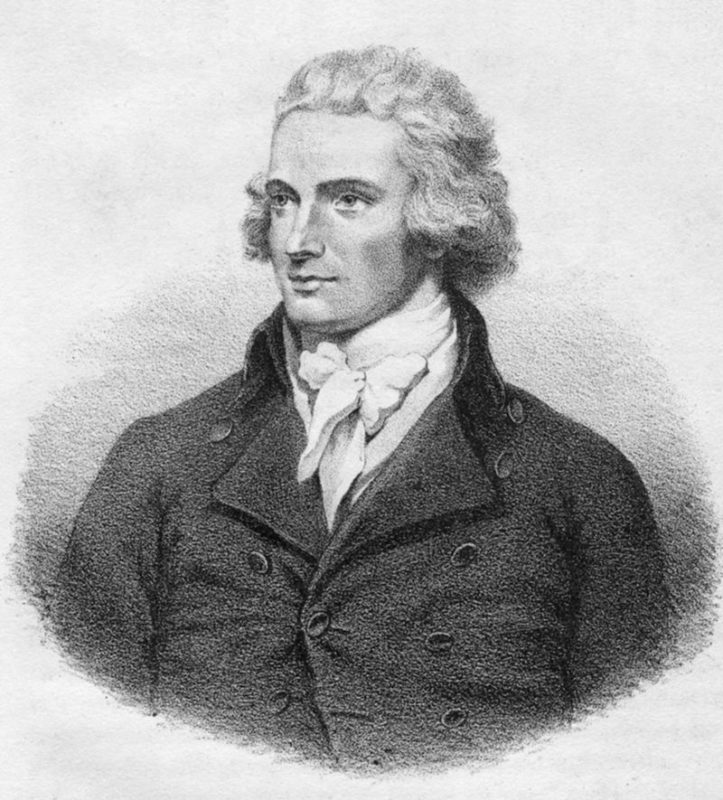
1796: Scottish explorer Mungo Park reached the River Niger.
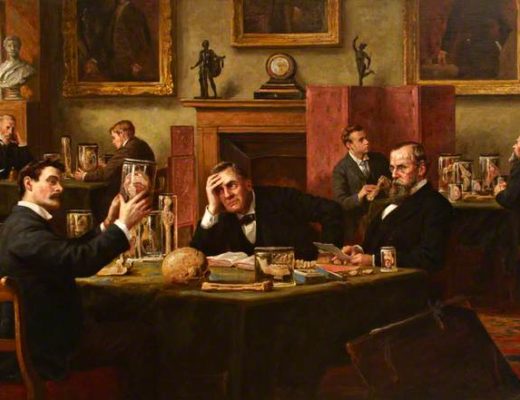
1843: The Royal College of Surgeons is founded in Britain.
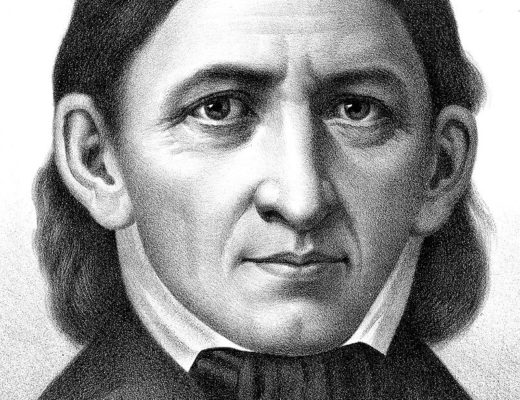
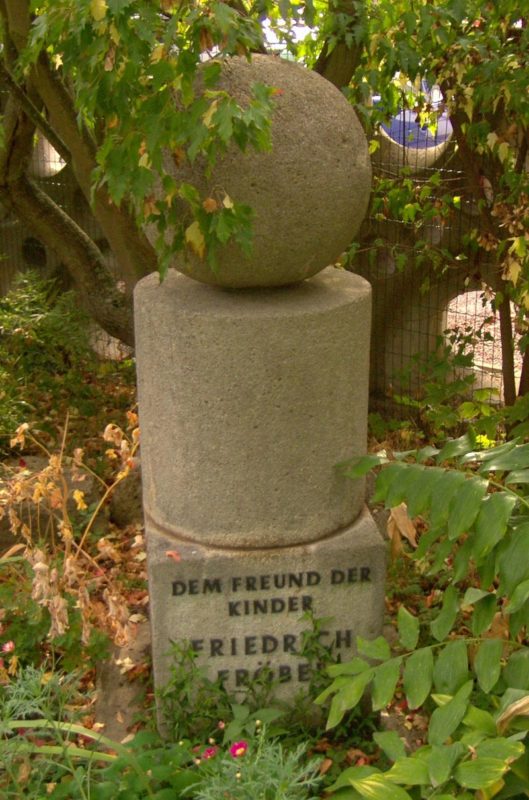
1852: Death of Friedrich Fröbel, German educationalist who founded the first kindergarten in 1837 at Blankenburg.
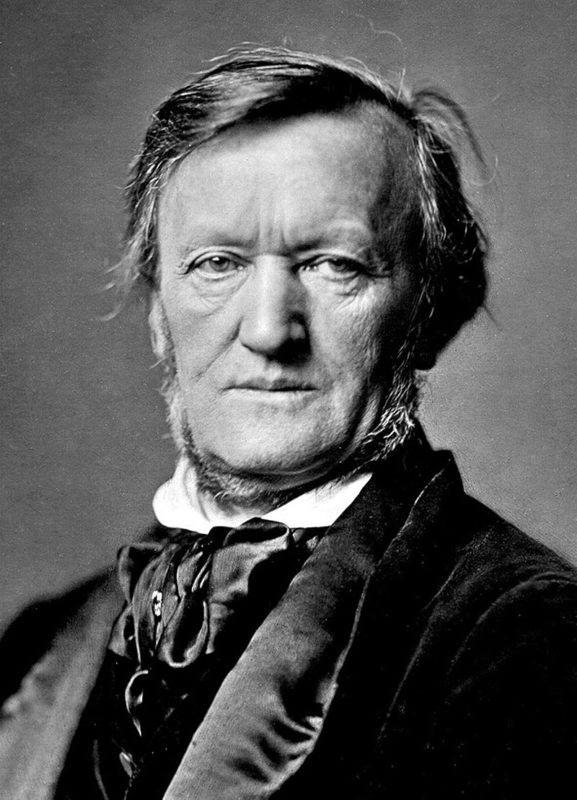
1868: Richard Wagner’s opera ‘Die Meistersinger von Nurnberg’ is premiered in Munich.
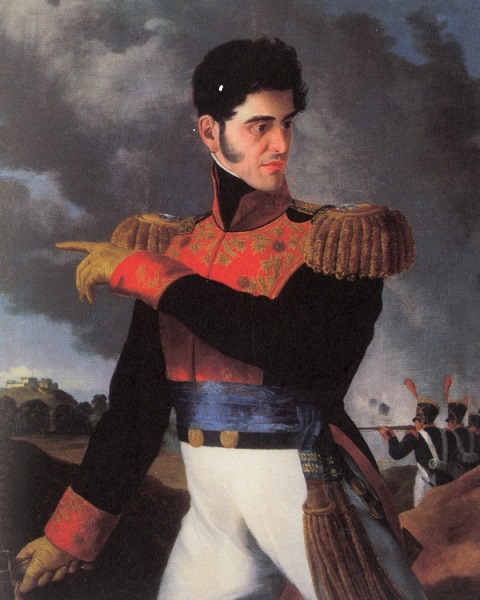
1876: Mexican soldier and statesman Antonio Lopez de Santa Anna, best known for his defeat of the Texans at Alamo, dies in poverty-stricken exile.
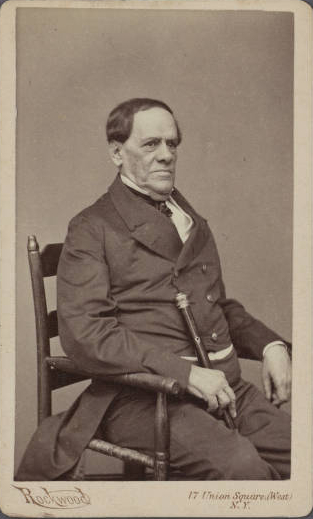
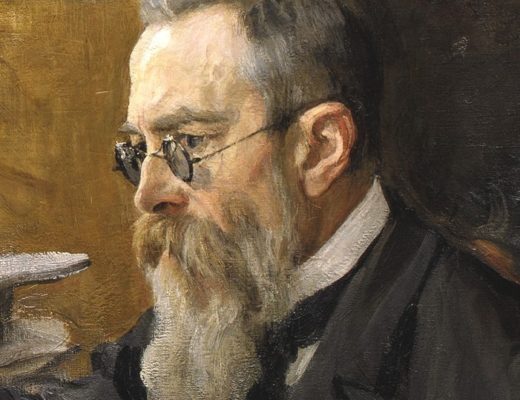
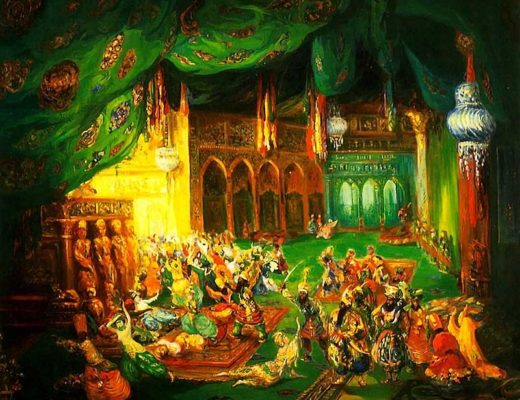
1908: Death of Russian composer Nikolai Rimsky-Korsakov, best known for ‘Scheherazade’.
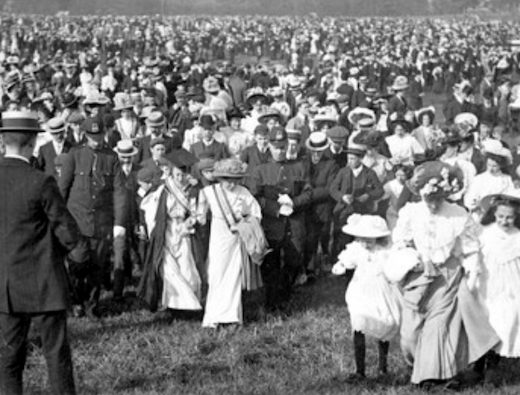
1908: A suffragette demonstration in London attracts 20 000 supporters.
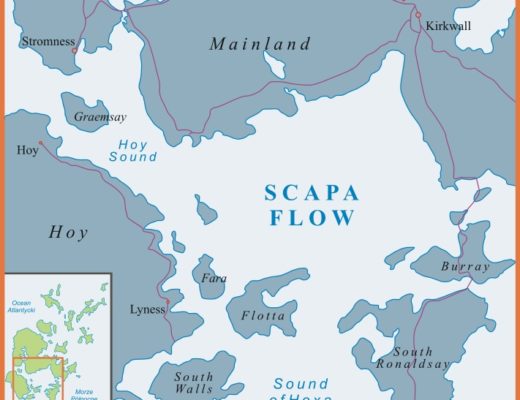
1919: The 27 vessels of the German fleet interned at Scapa Flow in the Orkneys are scuttled by their crews.
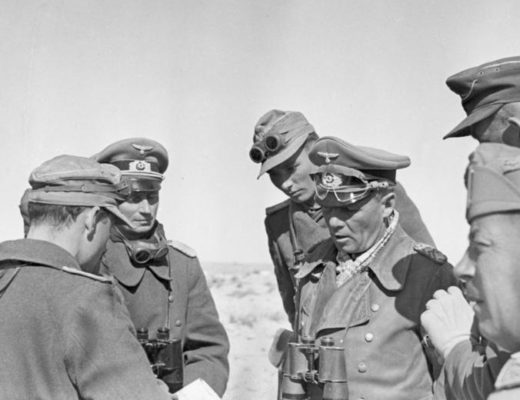
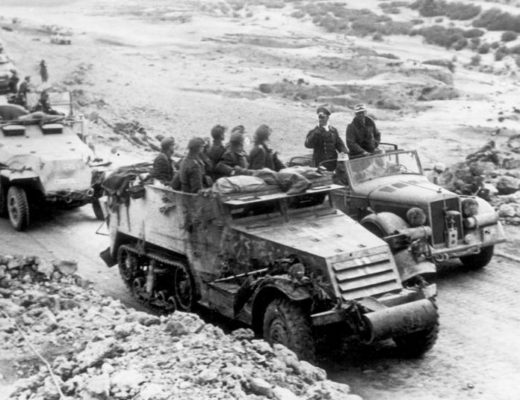
1942: General Rommel’s troops take 25 000 Allied prisoners at Tobruk, on the Libyan coast.
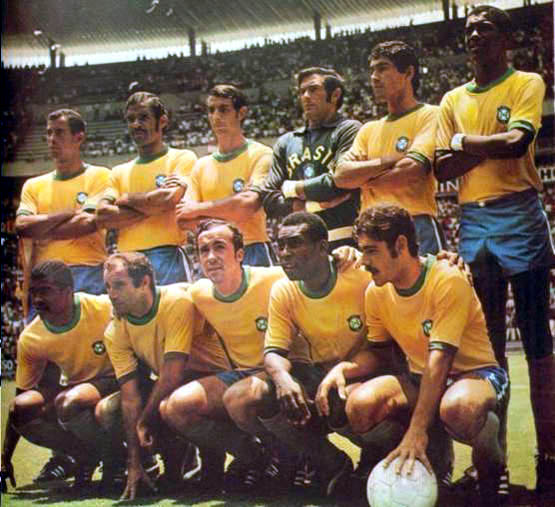
1970: Brazil wins soccer trophy forever
Brazil carried off the third world cup in a thrilling match in Mexico. Pele opened scoring with a header, but it was Gerson’s goal in the 65th minute – a left-footer no goal keeper in the world would have saved – which triggered off a dazzling display of Brazil’s real talents. Pele, Tostao, Jairzinho and Rivelino all played with sublime artistry. When Carlos Alberto scored the last goal three minutes from time, the crowd responded with an ovation as ecstatic as the players would have got in their home city of Rio. Brazil’s third triumphant victory meant the Jules Rimet Trophy had found a permanent home.
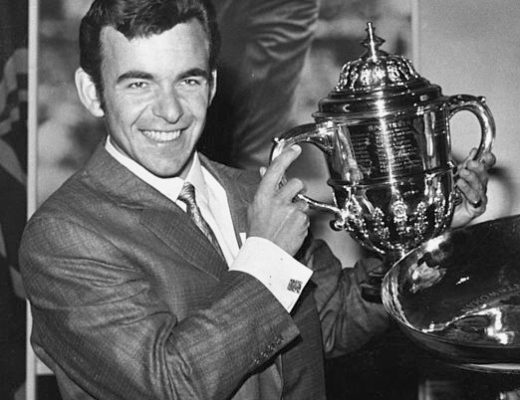
1970: Tony Jacklin becomes the first British golfer to win the US open in 50 years.
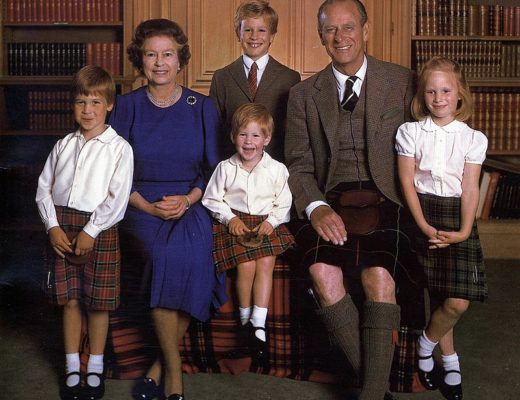
1982: It’s a boy!
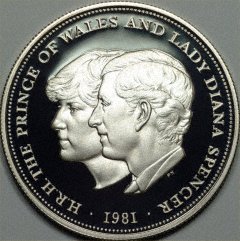
The Princess of Wales gave birth to a lusty 7lb (3.1kg) blue-eyed prince in St Mary’s Hospital, Paddington. Prince Charles, who emerged two hours later, described his son as having ‘sort of blondish hair, though it’ll probably turn into something else later on.’ He said that both mother and baby were extremely well, but “the Princess is a little tired as it has been a long time”. Diana was in labour for just over 16 hours. The new prince is second in line to the throne after his father.
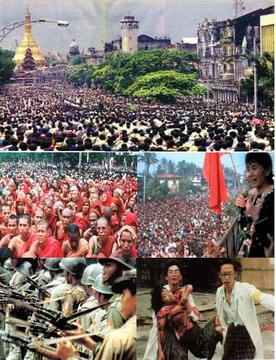
1988: The Burmese government imposes a curfew as the regime totters in the face of student protests.
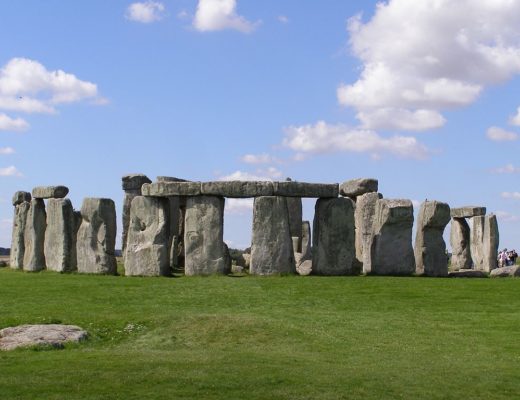
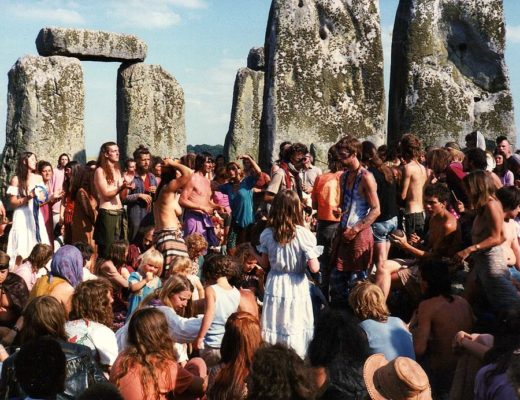
1989: Stonehenge solstice threat eclipsed
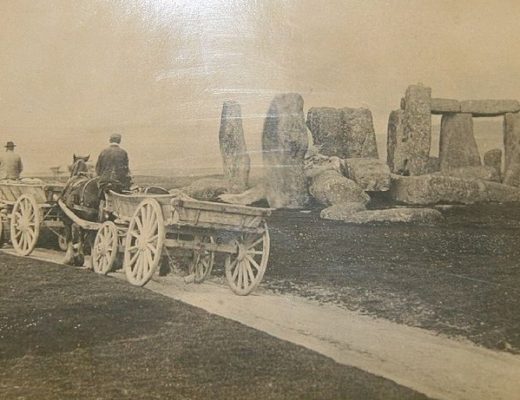
Police mounted a £1 million ($1.8 million) operation at Stonehenge to combat the expected invasion of thousands of hippies for the summer solstice. To avoid a repetition of the previous year’s clashes – when 5 000 hippies invaded Stonehenge for a festival – 800 police were laid on. But the dreaded invasion never materialised. Only about 400 travellers tried to reach the ancient stones, of which only six actually succeeded in touching them.
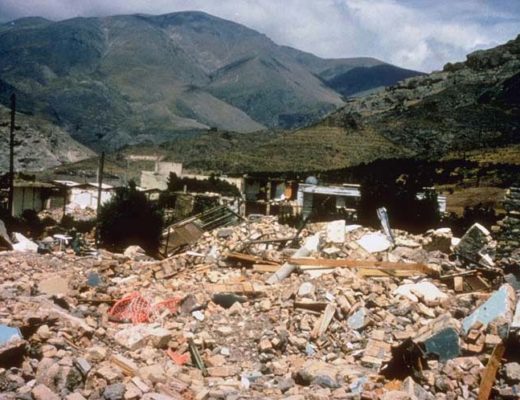
1990: Earthquake smashes Iran
More than 25 000 people were reported killed and tens of thousands injured in the earthquake that struck north-western Iran near the Caspian Sea. Hundreds of towns and villages were razed to the ground and huge areas were without water or electricity. The quake, 7.3 on the Richter scale, lasted more than a minute and struck an area estimated at 40 000 square miles (104 000 square kilometres). Rescue operations were being hampered by the aftershocks, mud slides and flooding caused by damaged dams. President Rafsanjani declared three days of national mourning and appealed to citizens to help dig survivors from wreckage. Iran would accept aid from any source except Israel and South Africa.
HAVE YOUR SAY
Like our Facebook page, follow us on Twitter and Instagram
For news straight to your phone, add us on BBM 58F3D7A7 or WhatsApp 082 421 6033