July 16: On This Day in World History … briefly
Interesting historic snippets and facts taken from the book ‘On This Day’ first published in 1992 by Octopus Publishing Group Ltd, London.
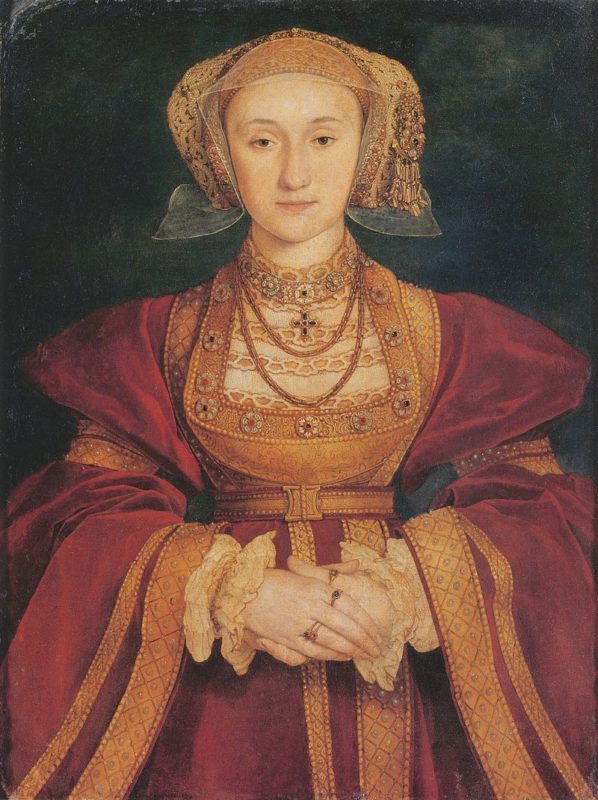
1557: Death of Anne of Cleves, fourth wife of Henry VIII of England.
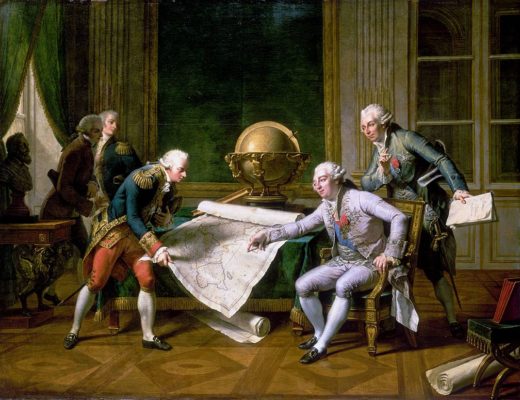
1791: Louis XVI of France is suspended from office until he agrees to ratify the French constitution.
1827: Death of English potter Josia Spode I.

1867: Parisian patents idea for reinforcing concrete
Joseph Monier, a Parisian commercial gardener receives a patent for his idea of reinforcing concrete by embedding metal wires or rods in it. Monier (44), had little technical training. Common sense told him however, that his cement and concrete tubs and pots would be greatly strengthened by some form of iron-wire reinforcement. The concrete and the reinforcement act in tandem, with the former taking most of the compressive forces and the latter the tensile forces. Monier planned to show his invention at the Paris Exposition later that year, believing that reinforced concrete would prove useful in the engineering industry.
1885: Cure for killer disease found
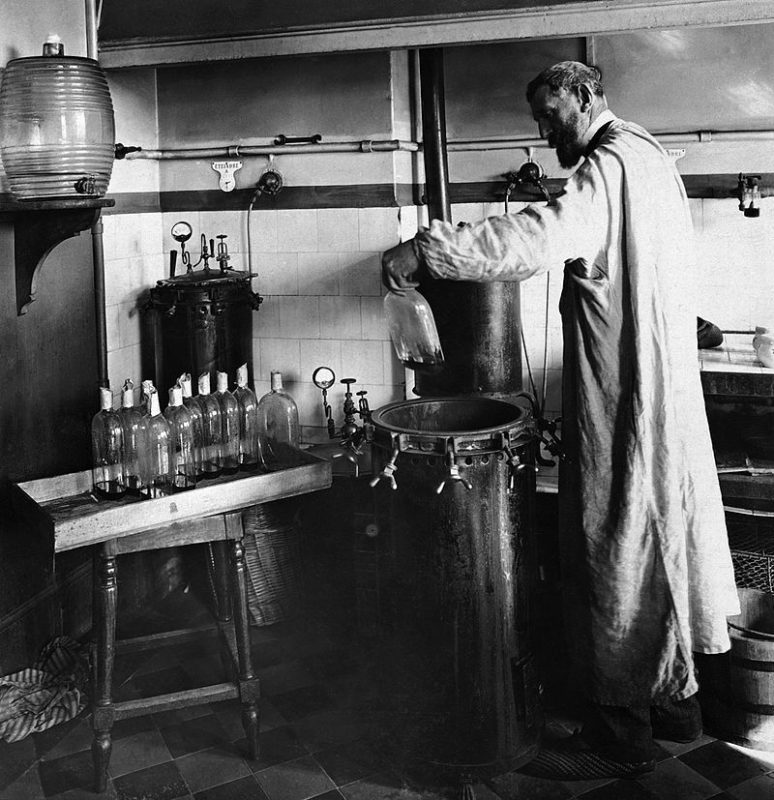
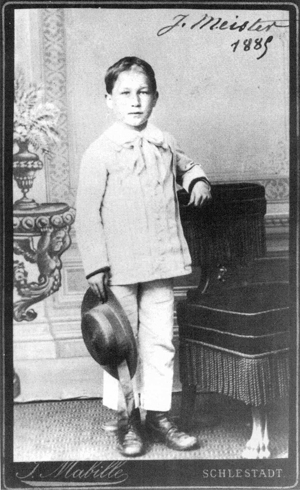
French chemist and microbiologist Louis Pasteur (63) confounded his critics by proving beyond doubt that his ideas on the best way to tackle the killer disease ‘rabies’ were correct. Nine-year-old rabies victim Joseph Meister was making a rapid recovery thanks to receiving a weakened strain of the virus administered by Pasteur ten days before. This latest success for Pasteur was only made possible by his previous research into disease-inducing micro-organisms such as anthrax and cholera. Sheep and chicken farmers – and indeed the animals themselves – had reason to be grateful to Pasteur for producing an effective vaccine against the diseases. The vaccine for rabies was obtained from the dried tissues of animals infected with the virus.
1918: Russian royals slaughtered
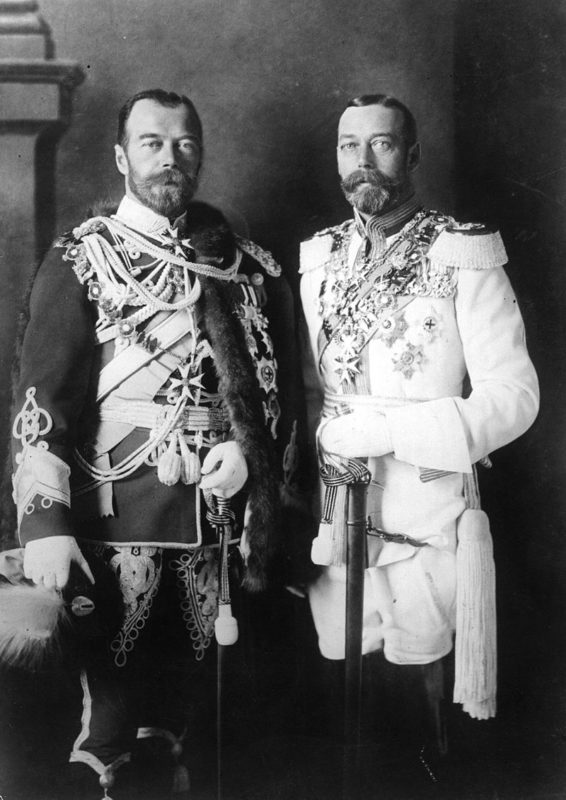
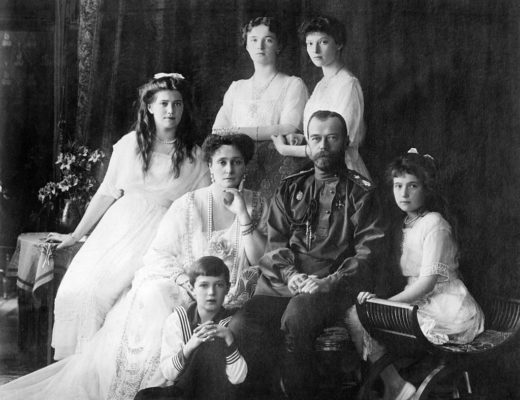
The Tsar of Russia, Nicholas II, and his family are murdered in the cellar of the house in Ekaterinburg where they had been confined since May. Their bodies were then burned and thrown into a disused mine shaft. The local Bolshevik commander was thought to have ordered the killings when it became apparent that his men could not hold Ekaterinburg against the approaching White Russian forces and prevent the family’s rescue. The Petrograd Soviet and the Revolutionary Workers’ and Soldiers’ Council insisted, against the wishes of the provisional government of Prince Lvov, that the family be sent to an area where Bolshevik sentiment is blood red rather than be allowed to leave the country.
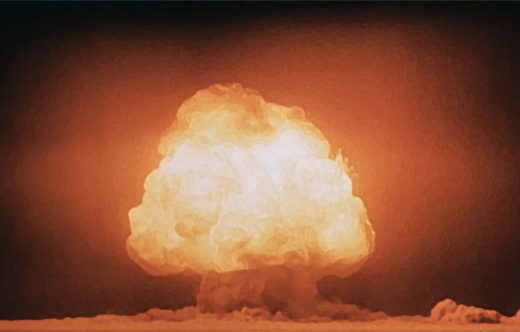
1945: The first atomic bomb is exploded on the White Sands Missile Range in Mexico, USA.
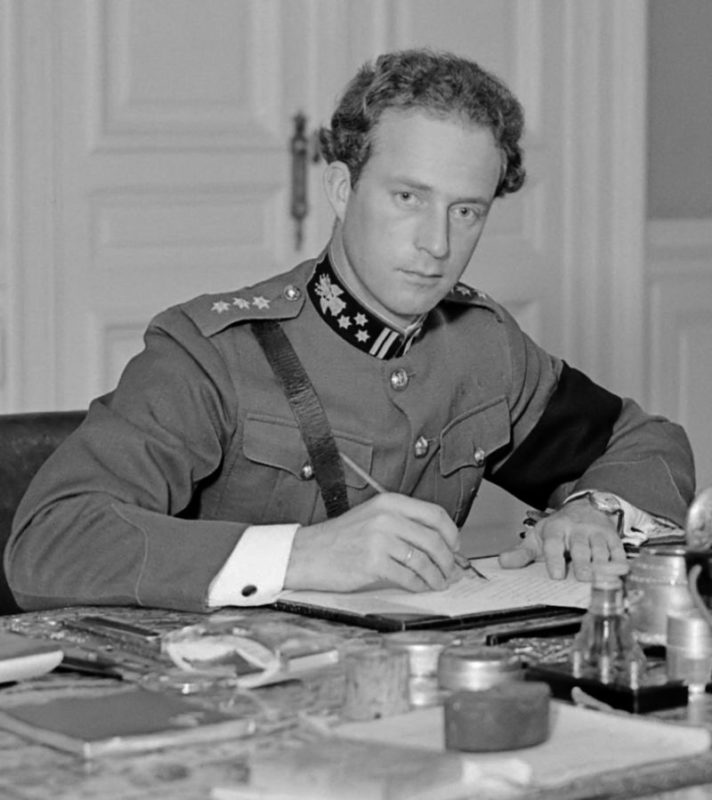
1951: King Leopold III of Belgium abdicates.
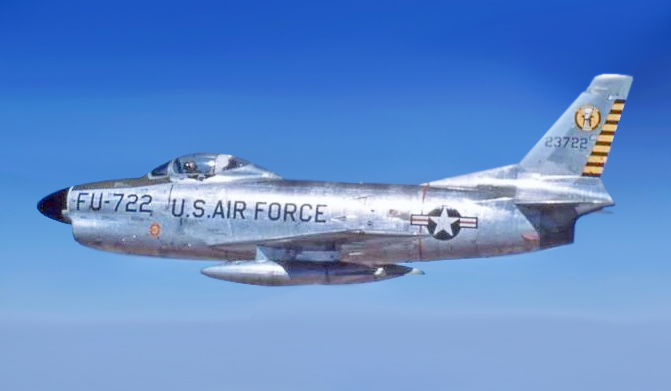
1953: A new world air-speed record is set at 716mph (1 152kmh) by an F86 Sabre fighter.
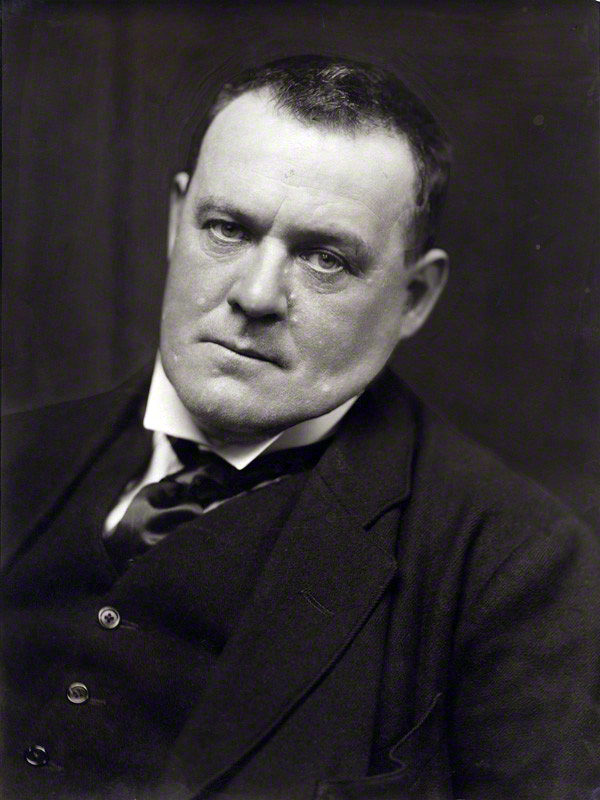
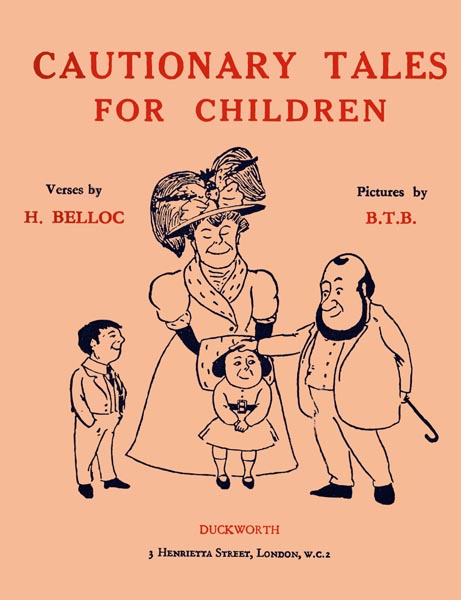
1953: Death of Hilaire Belloc, British poet and essayist.
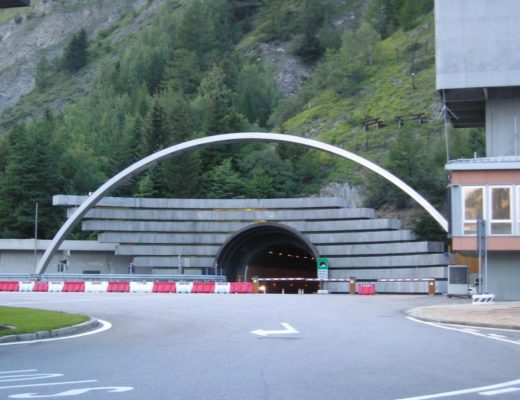
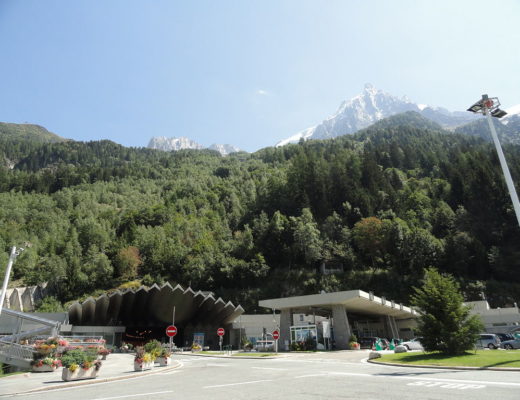
1965: Mont Blanc road tunnel opens
The famous French engineer Lepiney suggested back in 1870 that it would be a good idea to link France and Italy by building a road tunnel through the Alps. His vision was at last realised with the official opening of a road tunnel running between Barats, four miles (6.5km) from Chamonix and the village of Entreves. It took a long six and a half years to complete the tunnel which is 7 and a quarter miles (11.6km) long. The estimated average traffic flow would be about 600 vehicles per hour in both directions.
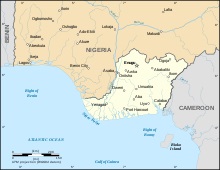
1967: The Biafran War begins as Nigerian troops march into the oil-rich secessionist region of Biafra. Nigeria’s Armed Forces Ruling Council was established in 1985 by Ibrahim Babangida following the coup that overthrew Muhammadu Buhari. It replaced Buhari’s Supreme Military Council, which had been in place since 1983
1970: Dock strike puts paid to ‘honeymoon’ period
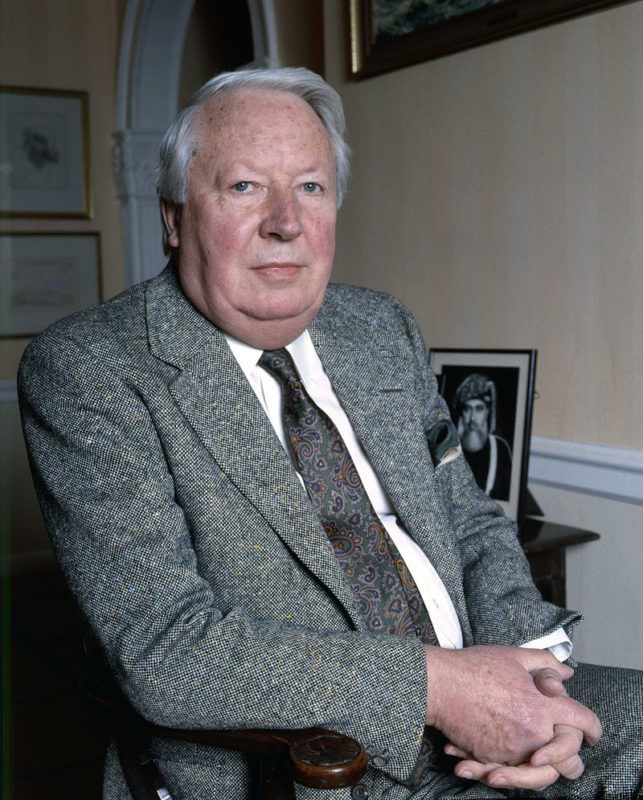
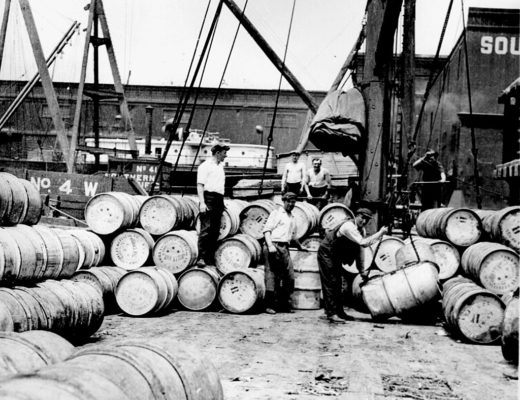
The ‘honeymoon’ period that new British governments traditionally enjoyed proved short-lived for Edward Heath’s Conservative administration. Less than one month after being elected PM, Heath declared a state of emergency in response to the national dock strike called by the dockers’ union. Troops were on standby, ready to act should their labour be required to keep Britain’s ports open. Industrialists issued dire warnings about the consequences to Britain’s overseas trade if the strike dragged on.
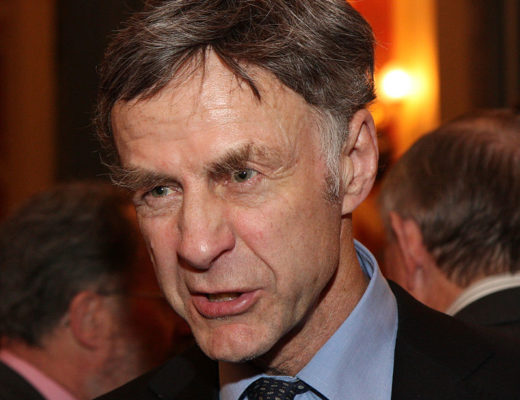
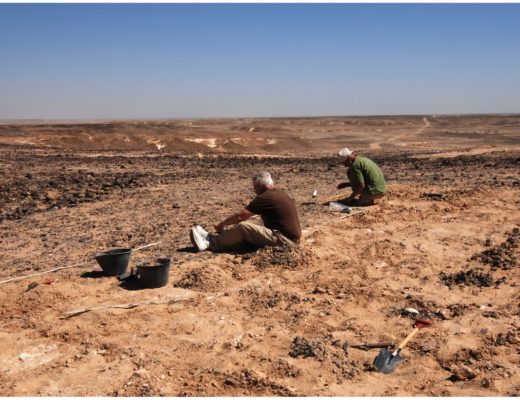
1990: British explorer Ranulph Fiennes begins an expedition in Oman to find the lost city of Ubar, which has been buried for 2 000 years.
1990: At least 100 people die in an earthquake in the Philippines.
HAVE YOUR SAY
Like our Facebook page, follow us on Twitter and Instagram
For news straight to your phone, add us on WhatsApp 082 421 6033