August 29: On This Day in World History … briefly
Most notable historic snippets or facts extracted from the book ‘On This Day’ first published in 1992 by Octopus Publishing Group Ltd, London, as well as additional supplementary information extracted from Wikipedia.
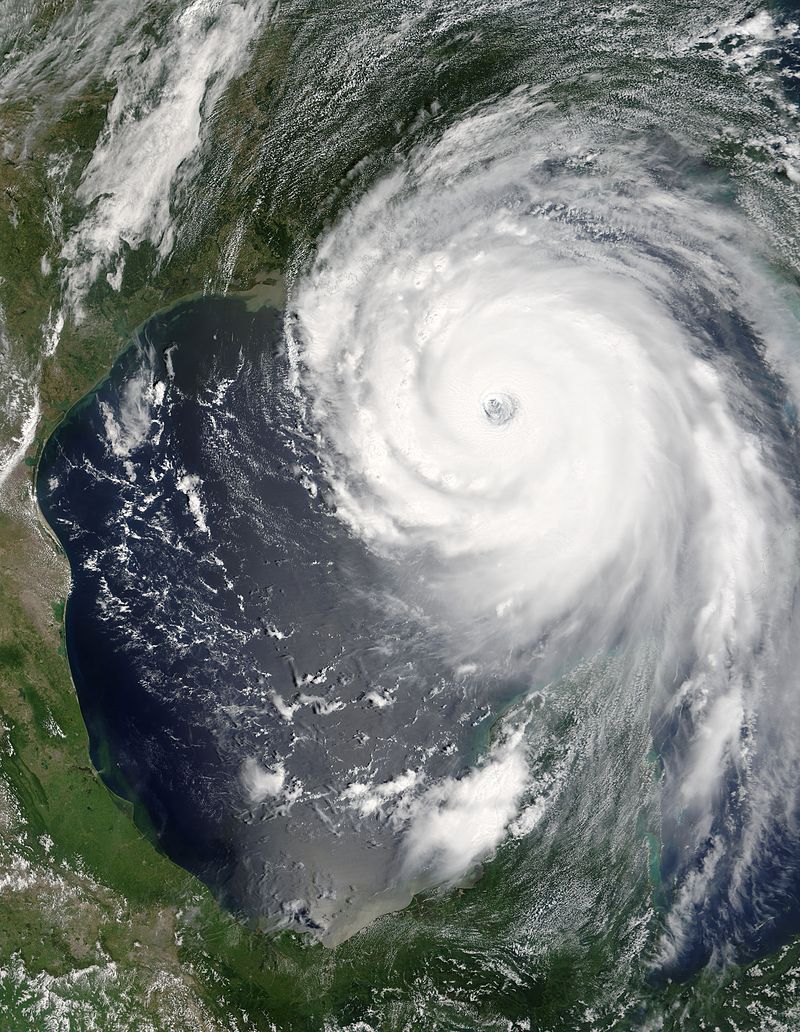
2005: Hurricane Katrina devastates much of the USA

Hurricane Katrina was an extremely destructive and deadly Category 5* hurricane that struck the Gulf Coast of the United States in August 2005, causing catastrophic damage from central Florida to eastern Texas. Subsequent flooding, caused largely as a result of fatal engineering flaws in the flood protection system around the city of New Orleans, precipitated most of the loss of lives. The storm was the third major hurricane of the record-breaking 2005 Atlantic hurricane season, as well as the third most intense tropical cyclone on record to make landfall in the United States, behind only the 1935 Labour Day hurricane and Hurricane Camille in 1969.
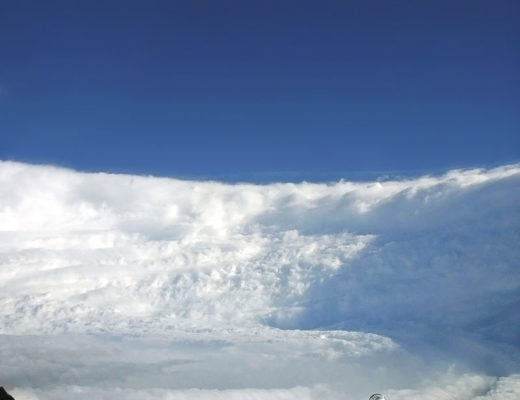
The storm originated over the Bahamas on August 23, 2005, from the merger of a tropical wave and the remnants of Tropical Depression Ten. Early on the following day, the new tropical depression intensified into a tropical storm and headed generally westward toward Florida, strengthening into a hurricane only two hours before making landfall at Hallandale Beach and Aventura on August 25. After very briefly weakening again to a tropical storm, Katrina emerged into the Gulf of Mexico on August 26 and began to rapidly intensify.
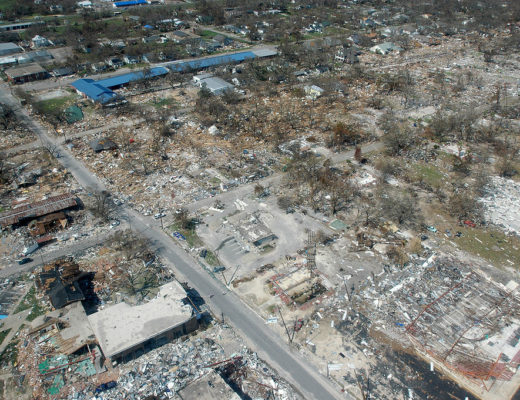
The storm strengthened into a Category 5 hurricane over the warm waters of the Gulf, but weakened before making its second landfall as a Category 3 hurricane on August 29, over southeast Louisiana and Mississippi. As Katrina made landfall, its front right quadrant, which held the strongest winds, slammed into Gulfport, Mississippi, devastating it.
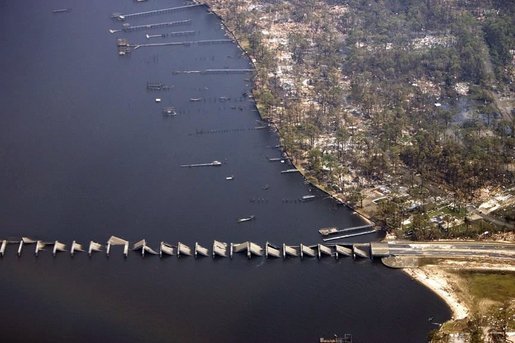
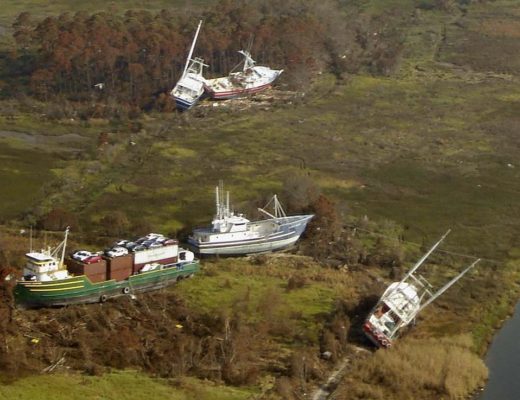
Overall, at least 1,245 people died in the hurricane and subsequent floods, making it the deadliest United States hurricane since the 1928 Okeechobee hurricane. Severe property damage occurred in numerous coastal areas, such as Mississippi beachfront towns where boats and casino barges rammed buildings, pushing cars and houses inland; water reached 6–12 miles (10–19 km) from the beach. Total property damage was estimated at $125 billion (2005 USD), roughly four times the damage wrought by Hurricane Andrew in 1992, tying Katrina with Hurricane Harvey of 2017 as the costliest Atlantic tropical cyclone on record.
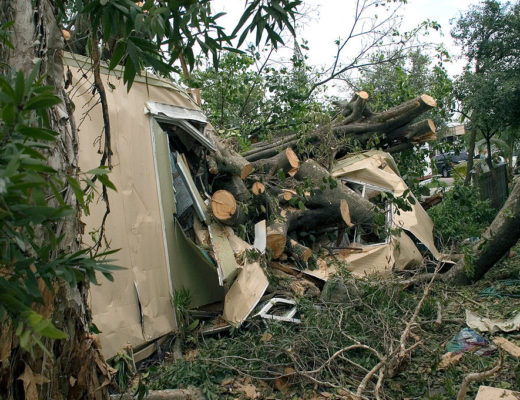
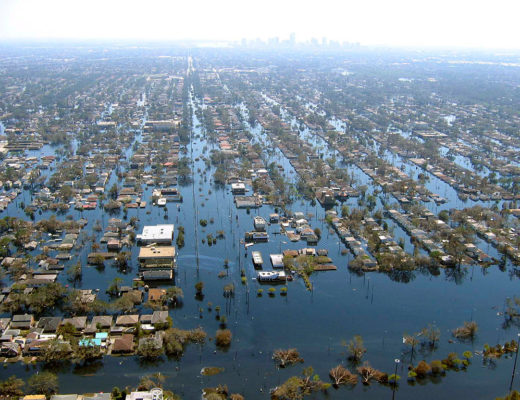
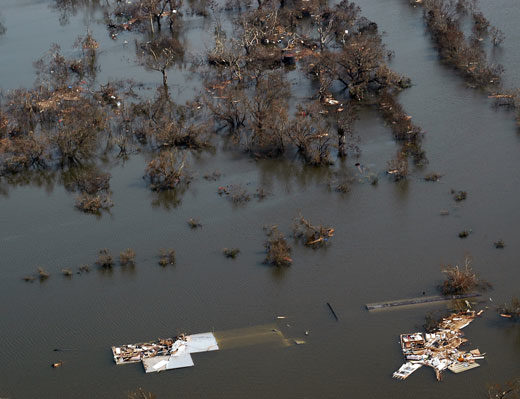
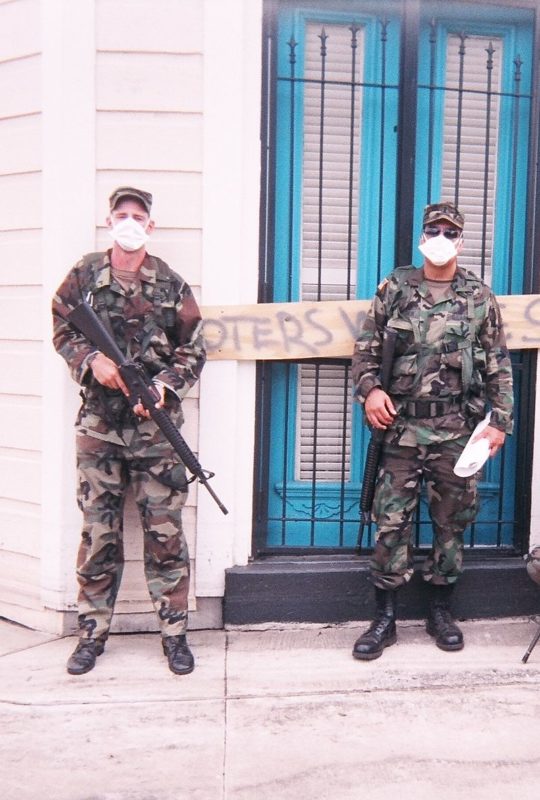
Over fifty breaches in surge protection levees surrounding the city of New Orleans, Louisiana were the cause of the majority of the death and destruction during Katrina. Eventually 80% of the city, as well as large tracts of neighbouring parishes, became flooded, and the floodwaters lingered for weeks. Most of the transportation and communication networks servicing New Orleans were damaged or disabled by the flooding, and tens of thousands of people who had not evacuated the city prior to landfall became stranded with little access to food, shelter or basic necessities.
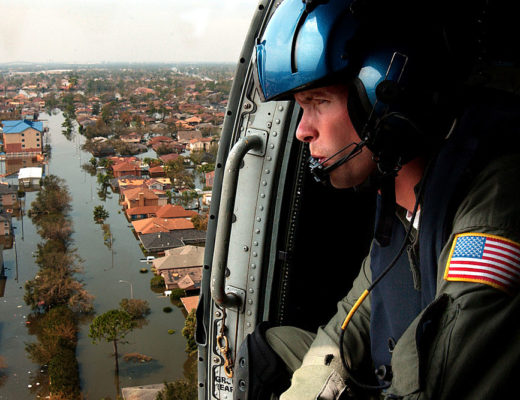
The scale of the disaster in New Orleans provoked massive national and international response efforts; federal, local and private rescue operations evacuated displaced persons out of the city over the following weeks. Multiple investigations in the aftermath of the storm concluded that the US Army Corps of Engineers, which had designed and built the region’s levees decades earlier, was responsible for the failure of the flood-control systems, though federal courts later ruled that the Corps could not be held financially liable because of sovereign immunity in the Flood Control Act of 1928.
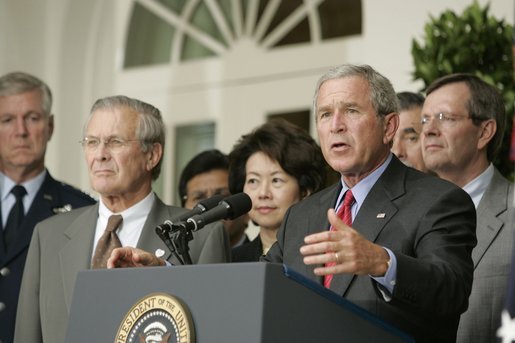
There were also widespread criticisms and investigations of the emergency responses from federal, state and local governments, which resulted in the resignations of Federal Emergency Management Agency (FEMA) director Michael D Brown and New Orleans Police Department (NOPD) Superintendent Eddie Compass. Many other government officials were criticized for their responses, especially New Orleans Mayor Ray Nagin, Louisiana Governor Kathleen Blanco and President George W Bush. Several agencies including the United States Coast Guard (USCG), National Hurricane Center (NHC) and National Weather Service (NWS) were commended for their actions. The NHC was found to have provided accurate hurricane forecasts with sufficient lead time
* Category 5 is the highest category of the Saffir–Simpson scale. These storms cause complete roof failure on many residences and industrial buildings, and some complete building failures with small utility buildings blown over or away. Collapse of many wide-span roofs and walls, especially those with no interior supports, is common. Very heavy and irreparable damage to many wood frame structures and total destruction to mobile/manufactured homes is prevalent. Only a few types of structures are capable of surviving intact, and only if located at least 3 to 5 miles (5 to 8 km) inland.
They include office, condominium and apartment buildings and hotels that are of solid concrete or steel frame construction, public multi-story concrete parking garages, and residences that are made of either reinforced brick or concrete/cement block and have hipped roofs with slopes of no less than 35 degrees from horizontal and no overhangs of any kind, and if the windows are either made of hurricane-resistant safety glass or covered with shutters. Unless all of these requirements are met, the absolute destruction of a structure is certain.
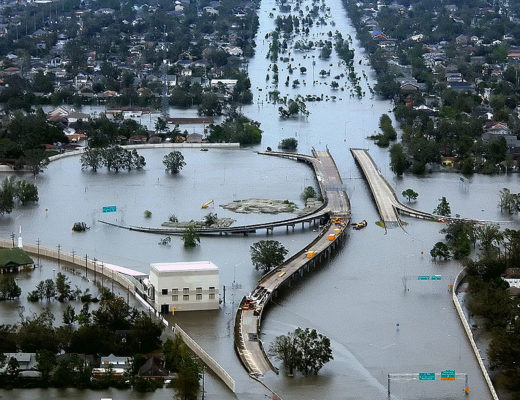
The storm’s flooding causes major damage to the lower floors of all structures near the shoreline, and many coastal structures can be completely flattened or washed away by the storm surge. Virtually all trees are uprooted or snapped and some may be debarked, isolating most affected communities. Massive evacuation of residential areas may be required if the hurricane threatens populated areas. Total and extremely long-lived power outages and water losses are to be expected, possibly for up to several months.
Historical examples of storms that made landfall at Category 5 status include: ‘Cuba’ (1924), ‘Okeechobee’ (1928), ‘Bahamas’ (1932), ‘Cuba–Brownsville’ (1933), ‘Labor Day’ (1935), Janet (1955), Camille (1969), Edith (1971), Anita (1977), David (1979), Gilbert (1988), Andrew (1992), Dean (2007), Felix (2007), Irma (2017), and Maria (2017). No Category 5 hurricane is known to have made landfall at that strength in the eastern Pacific basin.
HAVE YOUR SAY
Like our Facebook page, follow us on Twitter and Instagram
For news straight to your phone, add us on BBM 58F3D7A7 or WhatsApp 082 421 6033