November 6: On This Day in World History … briefly
Tchaikovsky, the most famous Russian composer of his era, dies at the age of 53.

1893: Tchaikovsky faces the music
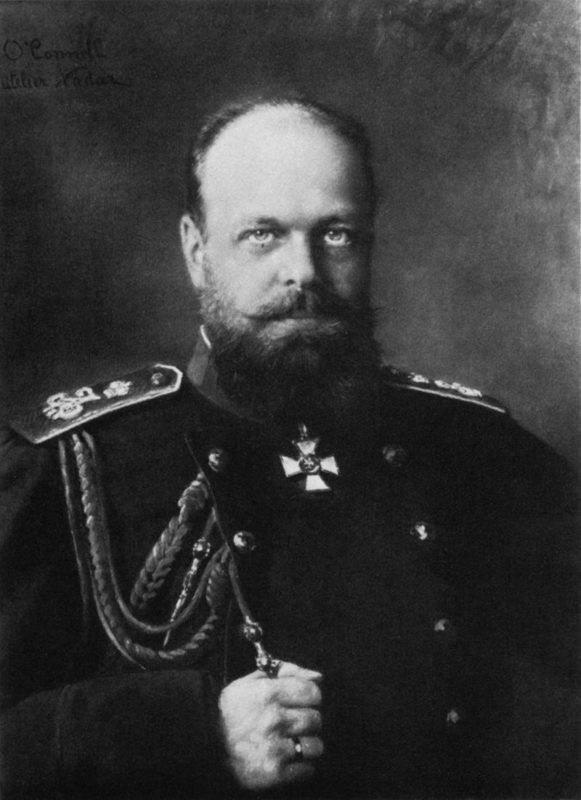
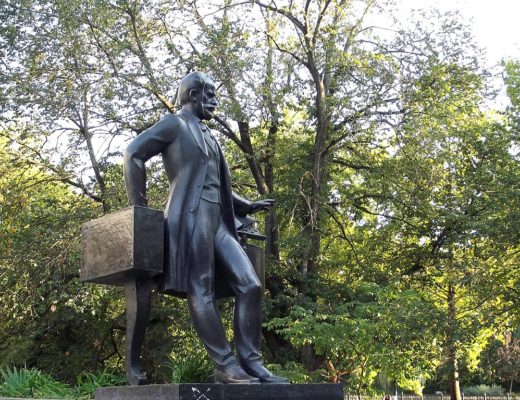
Pyotr Ilyich Tchaikovsky (7 May 1840 – 6 November 1893), was a Russian composer of the romantic period, whose works are among the most popular music in the classical repertoire. He was the first Russian composer whose music made a lasting impression internationally, bolstered by his appearances as a guest conductor in Europe and the United States. He was honoured in 1884 by Emperor Alexander III, and awarded a lifetime pension.
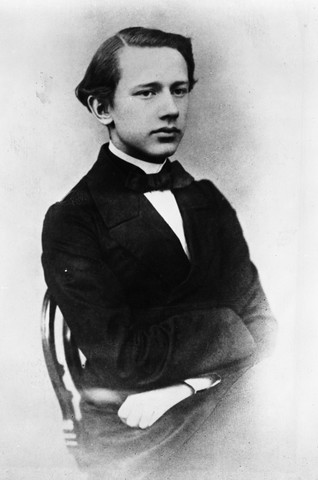
There were rumours that he died of cholera from drinking a glass of unboiled water, but it seems more likely that he committed suicide with poison after being ordered to do so by a hastily-convened Court of Honour of old classmates from the School of Jurisprudence*, who were fearful of a scandal because of Tchaikovski’s homosexual relationship with a member of the Imperial family. His death came only six days after conducting the first performance of his ‘Pathétique’ symphony.
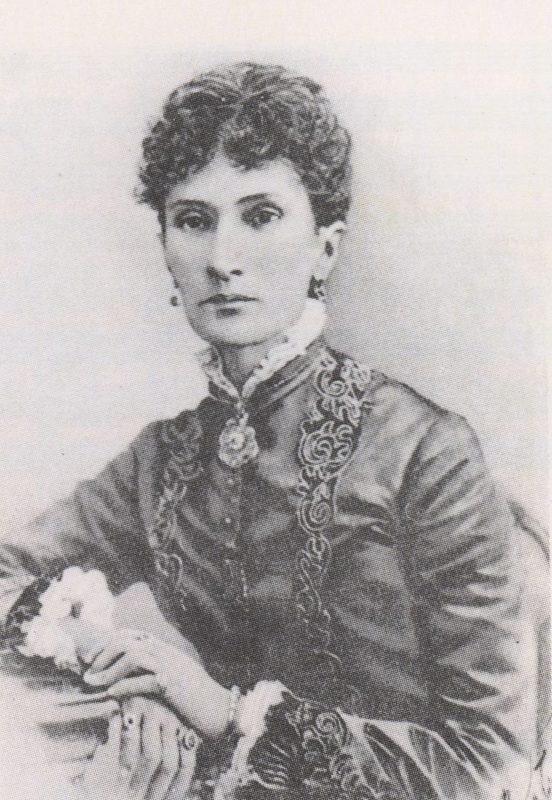
“I am a Russian, Russian, Russian, to the marrow of my bones.” he wrote to his patroness Nadezhda von Meck.
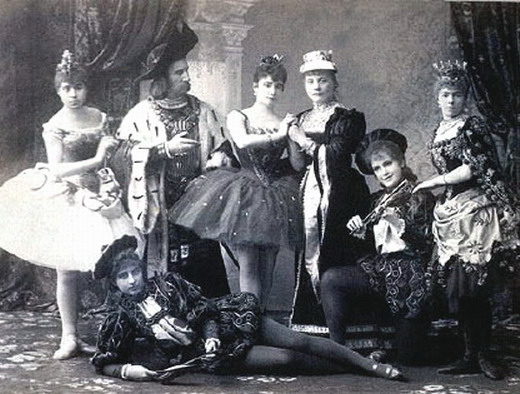
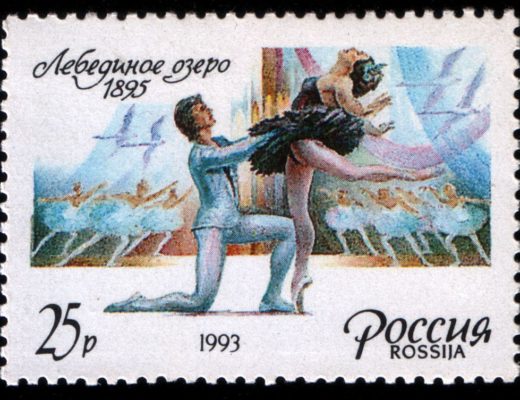
And this was apparent in every note he ever wrote – his symphonies, his concertos, his operas (most notably ‘Eugene Onegin’ and ‘The Queen of Spades’, both after ‘Pushkin’, and of course, his three great ballet suites – ‘Swan Lake’, ‘The Nutcracker’ and ‘Sleeping Beauty’.
Although he more than fulfilled the promise of his brilliant early years at the St Petersburg Conservatory, he died as he lived – a tortured, frustrated man.
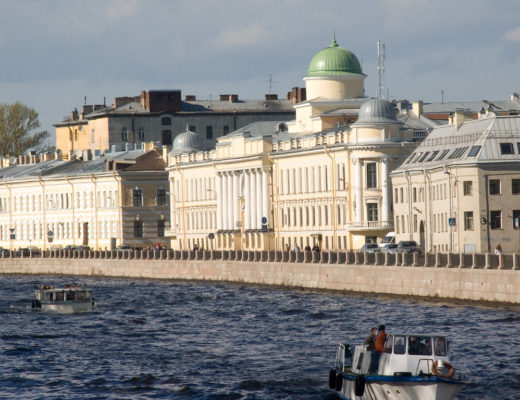
Despite his many popular successes, Tchaikovsky’s life was punctuated by personal crises and depression. Contributory factors included his early separation from his mother for boarding school followed by his mother’s early death, the death of his close friend and colleague Nikolai Rubinstein, and the collapse of the one enduring relationship of his adult life, which was his 13-year association with wealthy widow Nadezhda von Meck (who was his patron even though they never actually met each other).
His homosexuality, which he kept private, has traditionally also been considered a major factor, though some musicologists now downplay its importance. Tchaikovsky’s sudden death at the age of 53 is generally ascribed to cholera; there is an ongoing debate as to whether cholera was indeed the cause of death, and whether his death was accidental or self-inflicted.
While his music has remained popular among audiences, critical opinions were initially mixed. Some Russians did not feel it was sufficiently representative of native musical values and expressed suspicion that Europeans accepted the music for its Western elements. In an apparent reinforcement of the latter claim, some Europeans lauded Tchaikovsky for offering music more substantive than base exoticism and said he transcended stereotypes of Russian classical music. Others dismissed Tchaikovsky’s music as ‘lacking in elevated thought’ according to longtime New York Times music critic Harold C Schonberg, and derided its formal workings as deficient because they did not stringently follow Western principles.
* Jurisprudence or legal theory is the theoretical study of law, principally by philosophers but, from the twentieth century, also by social scientists. Scholars of jurisprudence, also known as jurists or legal theorists, hope to obtain a deeper understanding of legal reasoning, legal systems, legal institutions, and the role of law in society.
Most notable historic snippets or facts extracted from the book ‘On This Day’ first published in 1992 by Octopus Publishing Group Ltd, London, as well as additional supplementary information extracted from Wikipedia.
HAVE YOUR SAY
Like our Facebook page, follow us on Twitter and Instagram
For news straight to your phone, add us on WhatsApp 082 421 6033