November 19: On This Day in World History … briefly
One of the greatest musical geniuses the world ever saw, Franz Schubert, worn out by overwork and delirious from syphilis he contracted in 1822, died at about 3pm in a damp room in the Neue Wieden suburb of Viennna aged 31.
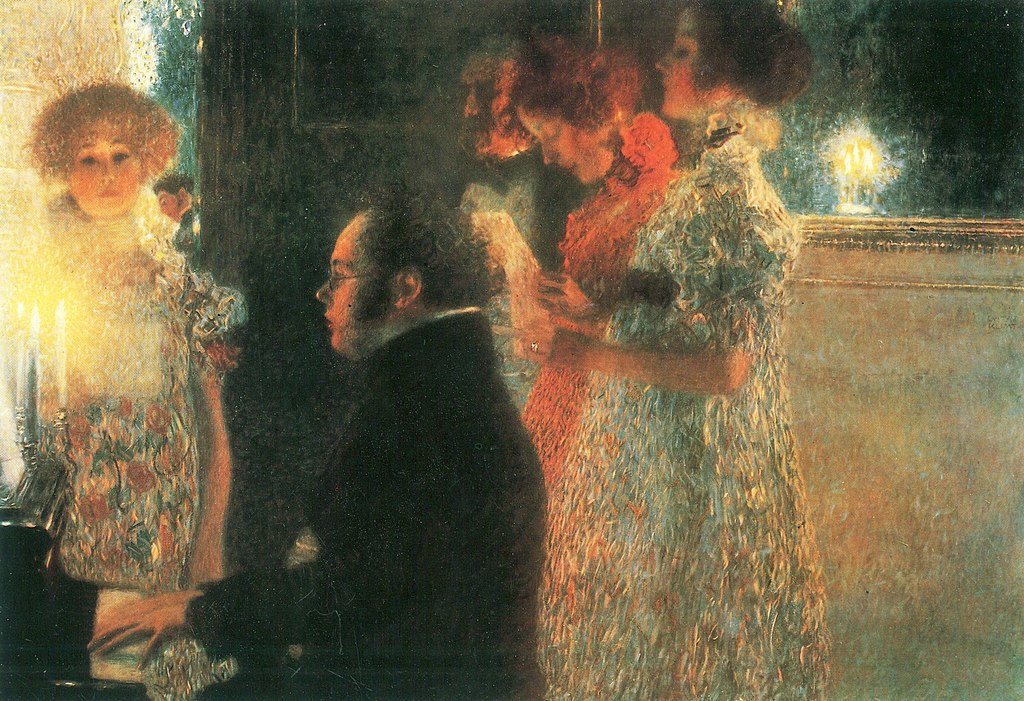
1828: Franz Schubert takes his final bow
Franz Peter Schubert (31 January 1797 – 19 November 1828) was an Austrian composer of the late Classical and early Romantic eras. Despite his short lifetime, Schubert left behind a vast oeuvre, including more than 600 secular vocal works (mainly Lieder), seven complete symphonies, sacred music, operas, incidental music and a large body of piano and chamber music.
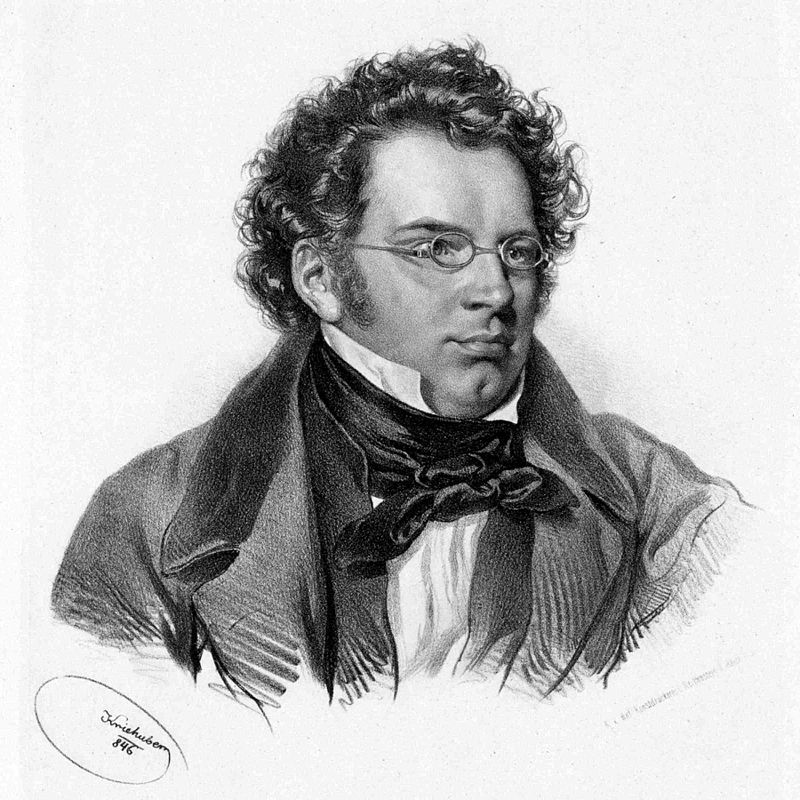
His major works include the Piano Quintet in A major, (Trout Quintet), the Symphony No 8 in B minor, (Unfinished Symphony), the three last piano sonatas, the opera Fierrabras, the incidental music to the play Rosamunde and the song cycles Die schöne Müllerin and Winterreise.
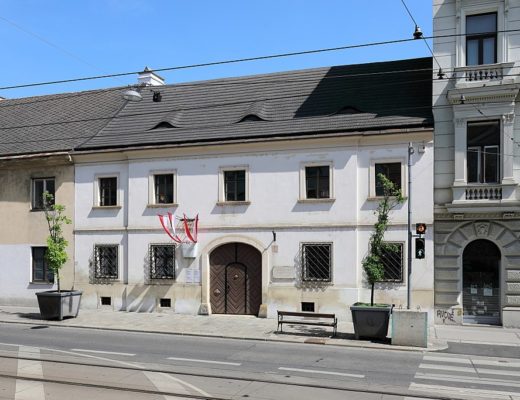
Born to immigrant parents in the Himmelpfortgrund suburb of Vienna, Schubert’s uncommon gifts for music were evident from an early age. His father gave him his first violin lessons and his older brother gave him piano lessons, but Schubert soon exceeded their abilities. In 1808, at the age of eleven, he became a pupil at the Stadtkonvikt school, where he became acquainted with the orchestral music of Haydn, Mozart and Beethoven.
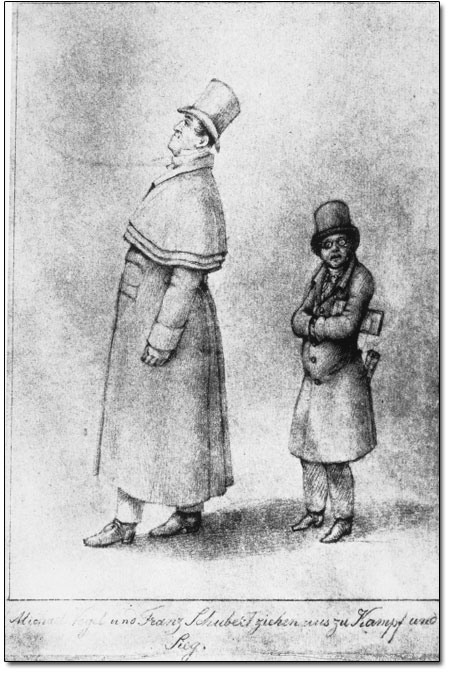
He left the Stadtkonvikt at the end of 1813, and returned home to live with his father, where he began studying to become a schoolteacher; despite this, he continued his studies in composition with Antonio Salieri and still composed prolifically.
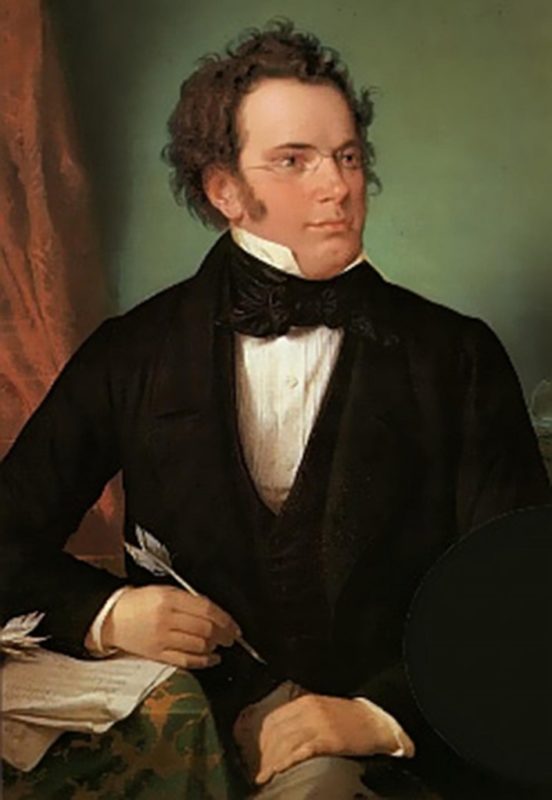
In 1821, Schubert was granted admission to the Gesellschaft der Musikfreunde as a performing member, which helped establish his name among the Viennese citizenry. He gave a concert of his own works to critical acclaim in March 1828, the only time he did so in his career. He died eight months later at the age of 31.
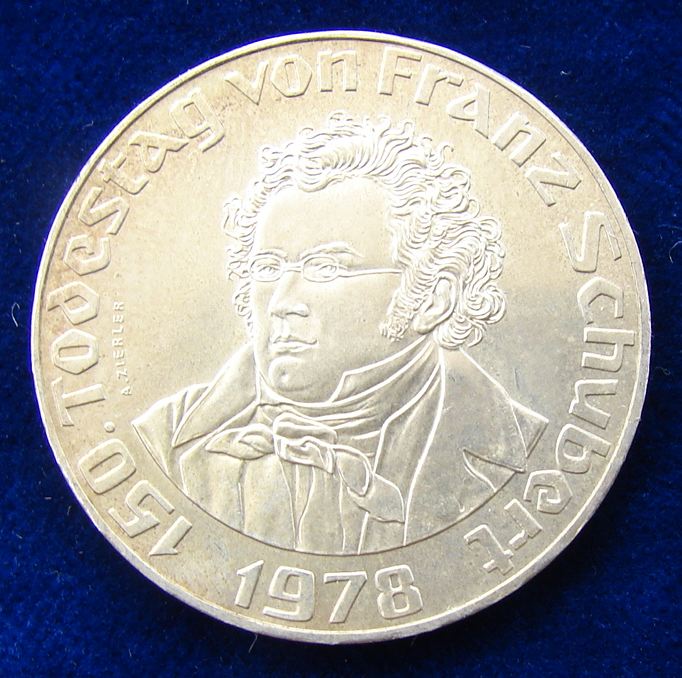
Appreciation of Schubert’s music while he was alive was limited to a relatively small circle of admirers in Vienna, but interest in his work increased significantly in the decades following his death. Felix Mendelssohn, Robert Schumann, Franz Liszt, Johannes Brahms and other 19th-century composers discovered and championed his works.
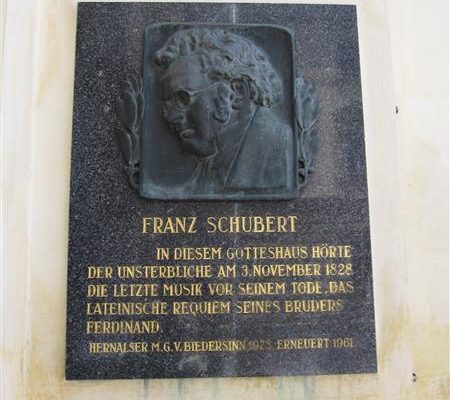
Schubert died in Vienna, aged 31, on 19 November 1828, at the apartment of his brother Ferdinand. The cause of his death was officially diagnosed as typhoid fever, though other theories have been proposed, including the tertiary stage of syphilis. It was near Beethoven, whom he had admired all his life, that Schubert was buried by his own request, in the village cemetery of Währing, Vienna. He had served as a torchbearer at Beethoven’s funeral a year before his own death. Today, Schubert is ranked among the greatest composers of the 19th century and his music continues to be popular.
Most notable historic snippets or facts extracted from the book ‘On This Day’ first published in 1992 by Octopus Publishing Group Ltd, London, as well as additional supplementary information extracted from Wikipedia.
HAVE YOUR SAY
Like our Facebook page, follow us on Twitter and Instagram
For news straight to your phone, add us on WhatsApp 082 421 6033