January 8: On This Day on World History … briefly
The plane was carrying 117 passengers and eight crew members on a flight to Ireland when the pilot reported engine trouble. Witnesses said they saw flames from the port wing, but a radio message said the pilot reported that he was shutting off the starboard engine - leaving the plane without any power.
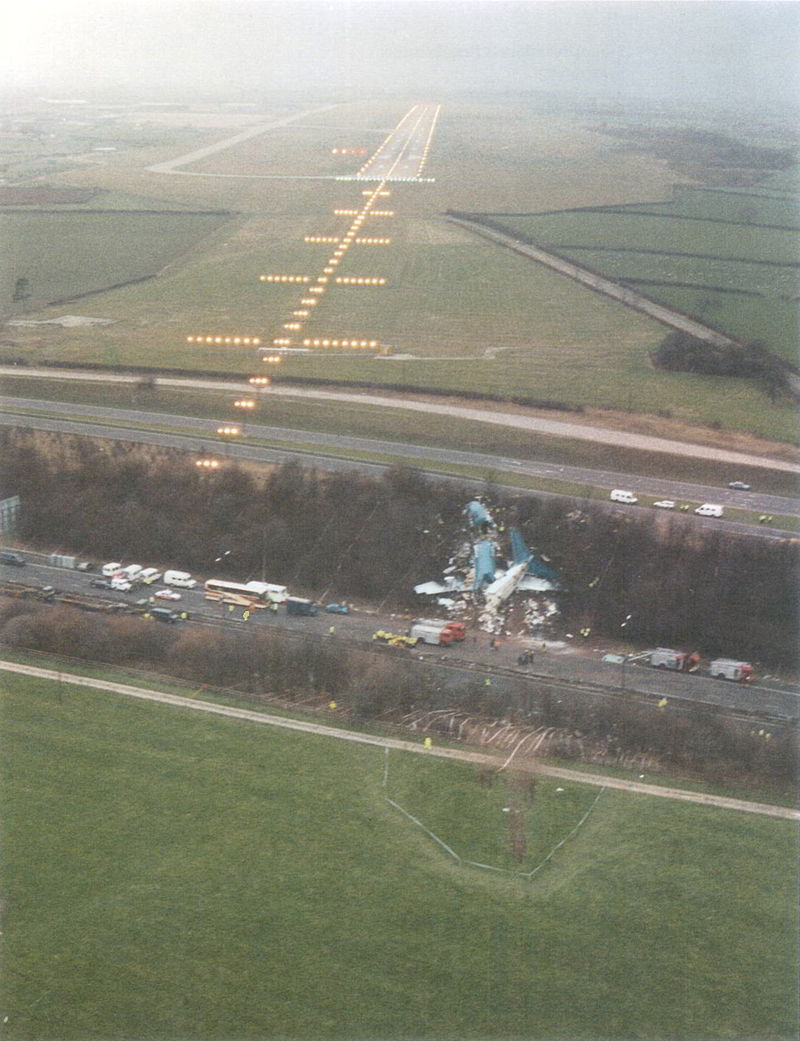
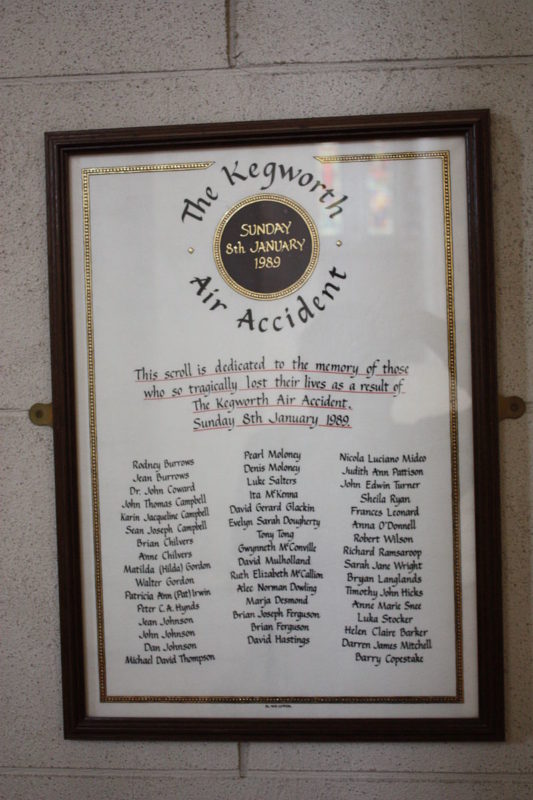
1989: Boeing jet kills 47 in motorway crash
The Kegworth air disaster occurred when British Midland Flight 92, a Boeing 737-400, crashed on to the embankment of the M1 motorway near Kegworth, Leicestershire, England, while attempting to make an emergency landing at East Midlands Airport on 8 January 1989.
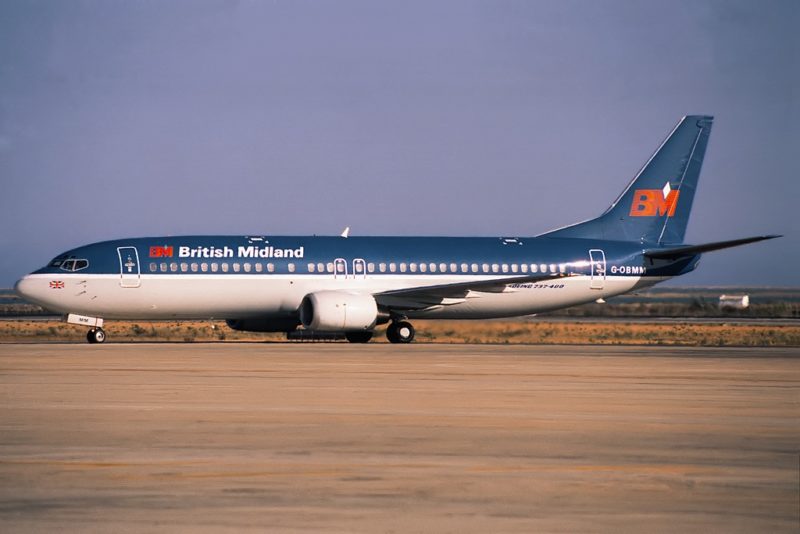
The aircraft was on a scheduled flight from London Heathrow Airport to Belfast International Airport, when a fan-blade broke in the left engine, disrupting the air conditioning and filling the flight deck with smoke. The pilots believed that this indicated a fault in the right engine, since earlier models of the 737 ventilated the flight-deck from the right, and they were unaware that the 400 used a different system.
The flight was crewed by 43-year-old Captain Kevin Hunt and 39-year-old First Officer David McClelland. Captain Hunt was a veteran British Midland pilot who had been with the airline since 1966 and had approximately 13 200 hours of flying experience. First Officer McClelland joined British Midland in 1988 and had accrued roughly 3 300 total flight hours. Between them, the pilots had close to 1 000 hours in the Boeing 737 cockpit, only 76 of which were logged in Boeing 737-400 series aircraft.
The crew mistakenly shut down the functioning engine and pumped more fuel into the malfunctioning one, which burst into flames. Of the 126 people aboard, 47 died and 74 sustained serious injuries. When the pilots completely shut down the right engine, they could no longer smell the smoke, which led them to believe that they had correctly dealt with the problem.
As it turned out, this was a coincidence: when the autothrottle was disengaged to shut down the right engine, the fuel flow to the left engine was reduced, and the excess fuel which had been igniting in the jet exhaust disappeared; therefore, the ongoing damage was reduced, the smoke smell ceased and the vibration reduced, although it would still have been visible on cockpit instruments. The inquiry attributed the blade fracture to metal fatigue, caused by heavy vibration in the newly upgraded engines, which had been tested only in the laboratory and not under representative flight conditions.
Most notable historic snippets or facts extracted from the book ‘On This Day’ first published in 1992 by Octopus Publishing Group Ltd, London, as well as additional supplementary information extracted from Wikipedia.
HAVE YOUR SAY
Like our Facebook page, follow us on Twitter and Instagram
For news straight to your phone, add us on WhatsApp 082 421 6033