January 30: On This Day in World History … briefly
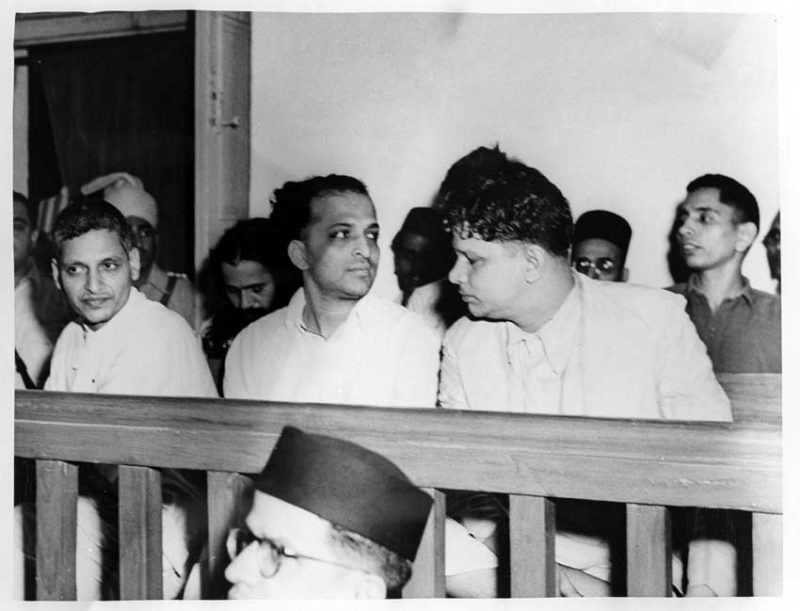
The trial was public, but the statement that Nathuram Godse gave during the trial on why he killed Gandhi was immediately banned by the Indian government.
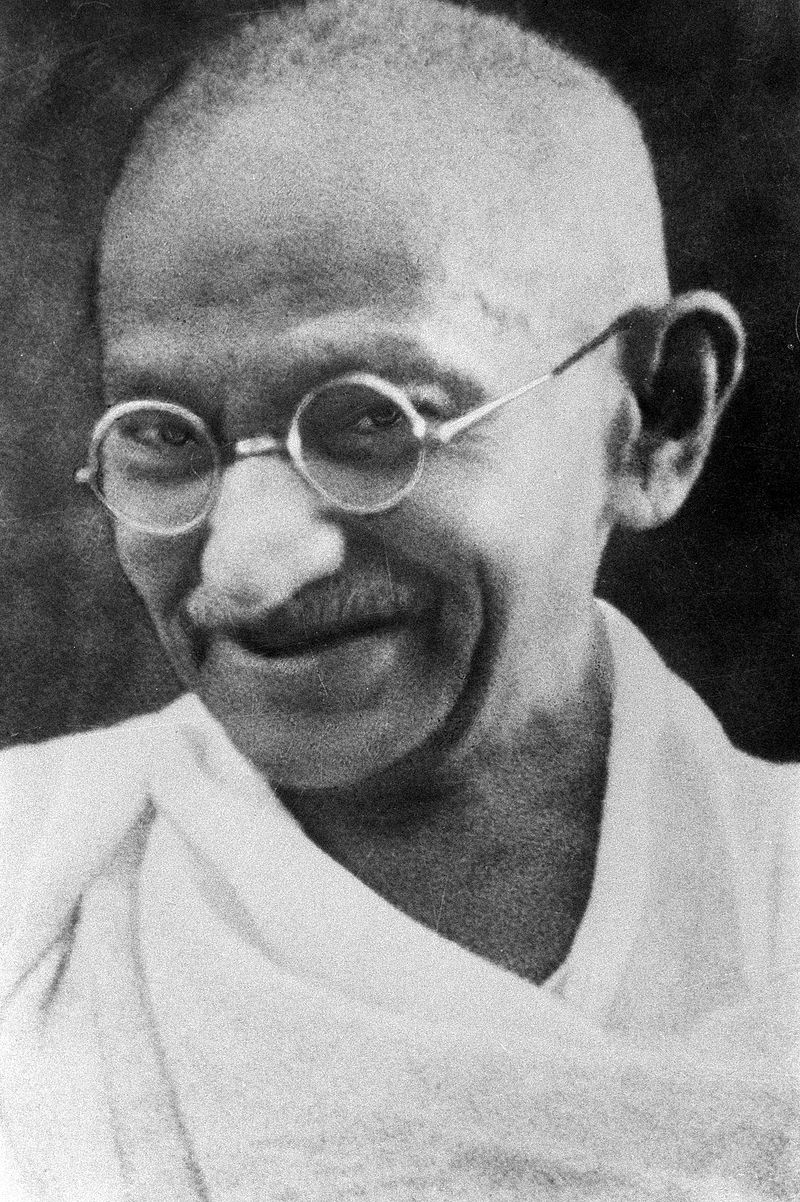
1948: India’s ‘Prophet of non-violence’ gunned down
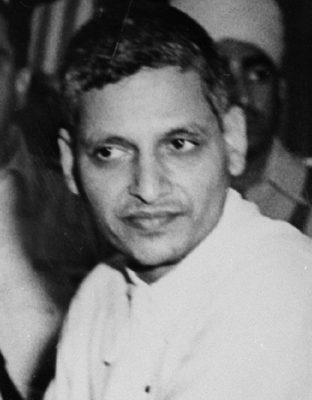
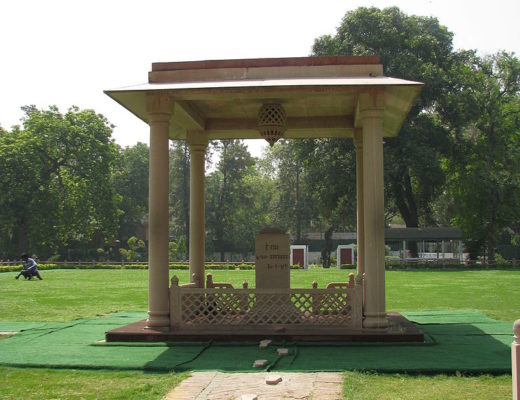
Mahatma Gandhi was assassinated in the compound of Birla House (now Gandhi Smriti), a large mansion by Nathuram Vinayak Godse, advocate of Indian nationalism, member of the political party ‘Hindu Mahasabha’, and past member of the Rashtriya Swayamsevak Sangh (RSS), which he left in 1940 to form an armed organisation. Godse had planned the assassination.
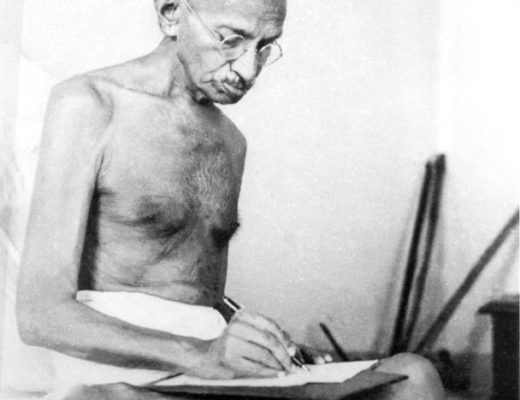
Still weakened from a lengthy fast to urge peace between Muslims and Hindus, Gandhi was walking through the garden on his way to prayer when Hindu fanatic Godse stepped from the crowd and fired four bullets into Gandhi’s emaciated body.
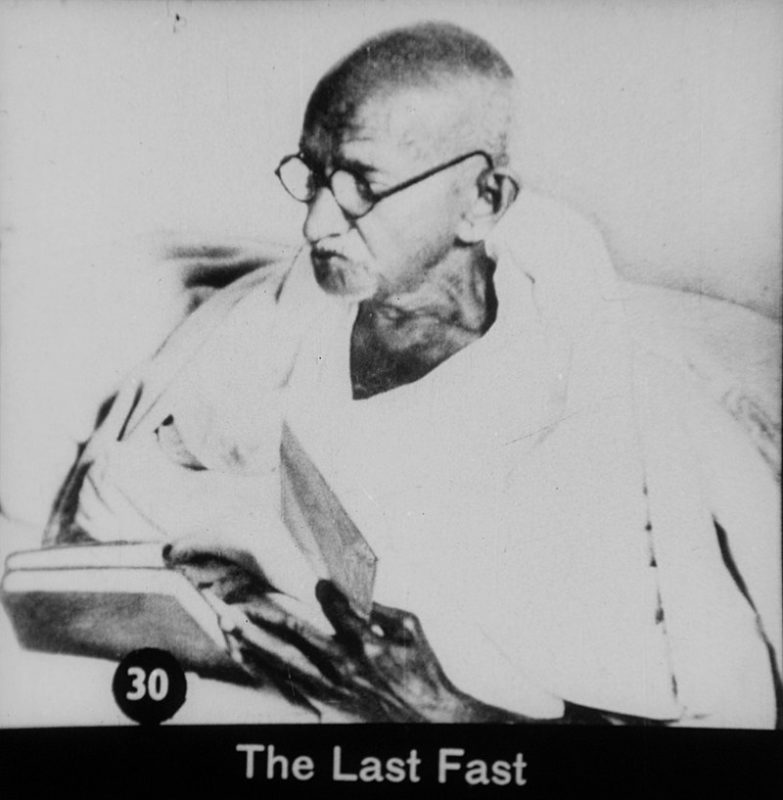
Gandhi’s last words were “Ram, Ram.” – meaning Oh God, Oh God.
Killer Godse made no attempt to flee and was saved from a lynching at the hands of an enraged crowd by air force officers. It was Gandhi’s fervent opposition to the painful partition of India on independence in 1947 that brought about his death – his Hindu killer Gandhi’s anti-partition sentiment was pro-Muslim and pro-Pakistan.
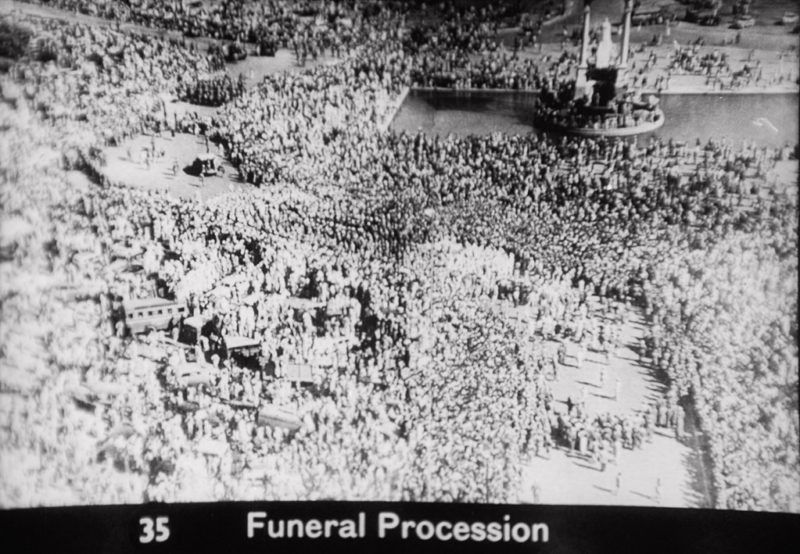
Gandhi was cremated in accordance with Hindu tradition. His ashes were poured into urns which were sent across India for memorial services. Most of the ashes were immersed at the Sangam at Allahabad on February 12, 1948, but some were secretly taken away. In 1997, Tushar Gandhi immersed the contents of one urn, found in a bank vault and reclaimed through the courts, at the Sangam at Allahabad.
Some of Gandhi’s ashes were scattered at the source of the Nile River near Jinja, Uganda, and a memorial plaque marks the event. On January 30, 2008, the contents of another urn were immersed at Girgaum Chowpatty. Another urn is at the palace of the Aga Khan in Pune (where Gandhi was held as a political prisoner from 1942 to 1944) and another in the Self-Realisation Fellowship Lake Shrine in Los Angeles.
According to some accounts, Gandhi died on the spot. In other accounts, such as one prepared by an eyewitness journalist, Gandhi was carried back into the Birla House, into a bedroom, where he died about 30 minutes later as one of Gandhi’s family members read verses from Hindu scriptures.
Most notable historic snippets or facts extracted from the book ‘On This Day’ first published in 1992 by Octopus Publishing Group Ltd, London, as well as additional supplementary information extracted from Wikipedia.
HAVE YOUR SAY
Like our Facebook page, follow us on Twitter and Instagram
For news straight to your phone, add us on WhatsApp 082 421 6033