May 31: On This Day in World History … briefly
Economic losses surpassed half a billion US dollars. Cities, towns, villages - as well as homes, industries, public buildings, schools, electrical generation and distribution systems, water, sanitary and communications facilities - were seriously damaged or destroyed.
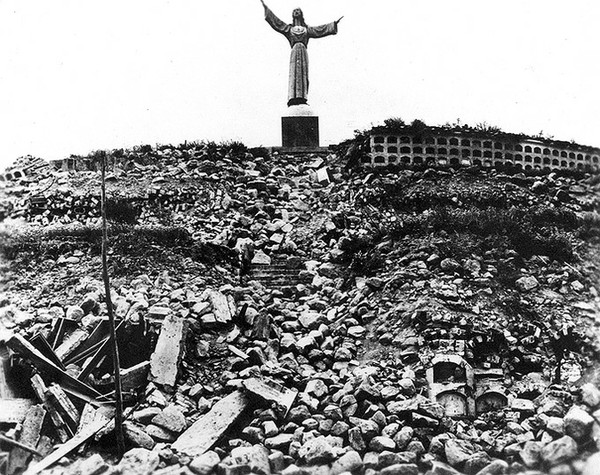
1970: Earthquake buries Peruvian town
The Ancash earthquake (also known as the Great Peruvian earthquake) at 15.23pm local time on May 31 off the coast of Peru in the Pacific Ocean affected an area of about 83 000km², an area larger than Belgium and the Netherlands combined, in the north central coast and the Sierra (highlands) of the Ancash Region and southern La Libertad Region. Combined with a resultant landslide, it is the most catastrophic natural disaster in the history of Peru. Due to the large amounts of snow and ice included in the landslide and its estimated 66 794 to 70 000 casualties, it is also considered to be the world’s deadliest avalanche
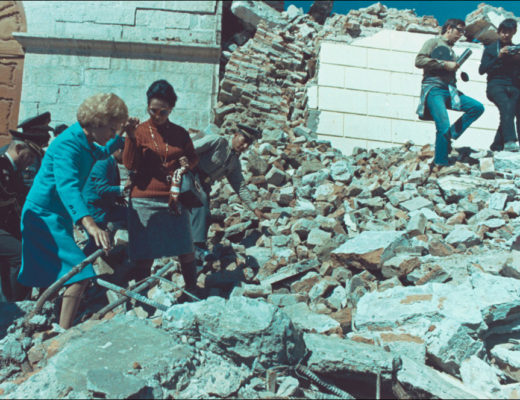
The northern wall of Mount Huascarán was destabilised, causing a rock, ice and snow avalanche and burying the towns of Yungay and Ranrahirca. The avalanche started as a sliding mass of glacial ice and rock about 910 metres (2 990 ft) wide and 1.6km (1 mile) long. It advanced about 18km (11 miles) to the village of Yungay at an average speed of 280 to 335km per hour. The fast-moving mass picked up glacial deposits and by the time it reached Yungay, it is estimated to have consisted of about 80 million m³ of water, mud, rocks and snow.
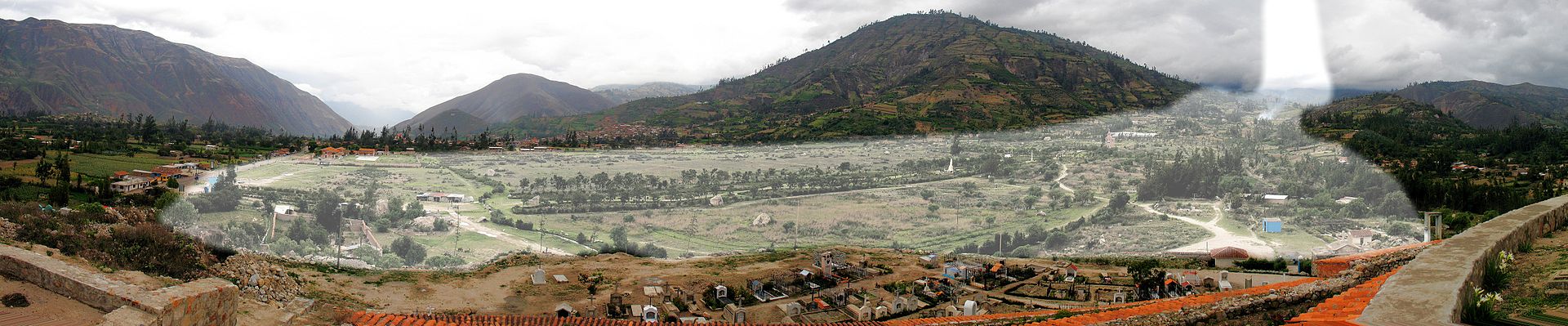
The Peruvian government has forbidden excavation in the area where the town of Yungay is buried, declaring it a national cemetery. The children who survived in the oca stadium were resettled around the world. In 2000, the tragedy inspired the government to declare 31 May as ‘Natural Disaster Education and Reflection Day’. Every May 31, many schools of Peru practice an earthquake drill to commemorate this disaster.
Most notable historic snippets or facts extracted from the book ‘On This Day’ first published in 1992 by Octopus Publishing Group Ltd, London, as well as additional supplementary information extracted from Wikipedia.
HAVE YOUR SAY
Like our Facebook page, follow us on Twitter and Instagram