June 4: On This Day in World History … briefly
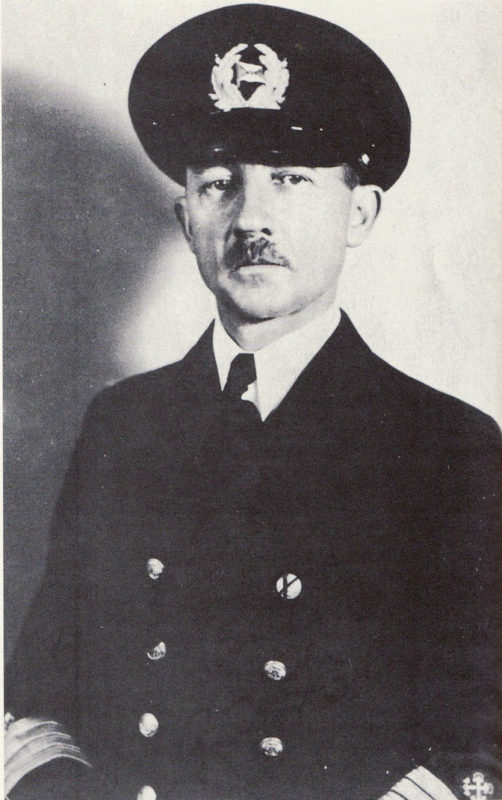
Schröder received much praise for his actions during the Holocaust, both while he was alive and posthumously. In 1957, he was awarded the Order of Merit by the Federal German Republic 'for services to the people and the land in the rescue of refugees'.
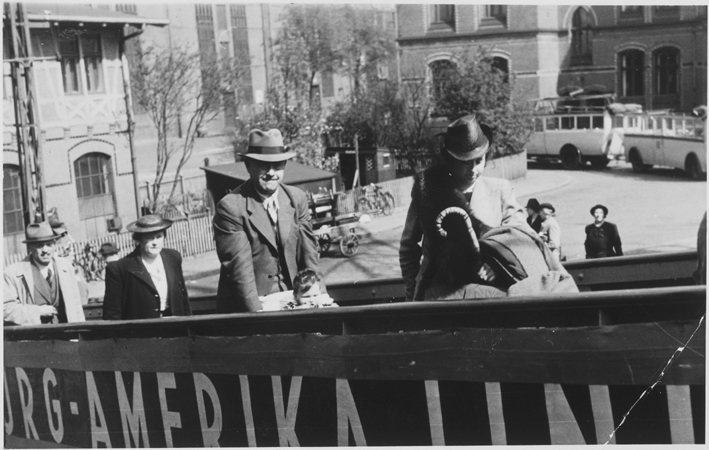
1939: Jewish refugees embark on a ‘Voyage of the damned’
Motorschiff St Louis was a German ocean liner infamously known for carrying more than 900 Jewish refugees from Germany in 1939 intending to debark in Cuba, where they were denied permission to land. Captain Gustav Schröder went to the United States and Canada trying to find a nation to take them in, but both refused. He finally returned the ship to Europe, where various European countries, including Belgium, the Netherlands, and France, accepted some refugees. A handful made their way to the UK. Many were later caught in Nazi roundups of Jews in occupied countries and some historians have estimated that approximately a quarter of them died in death camps during World War II. These events, known as the ‘Voyage of the Damned’ in one account, have inspired film, opera, and fiction.
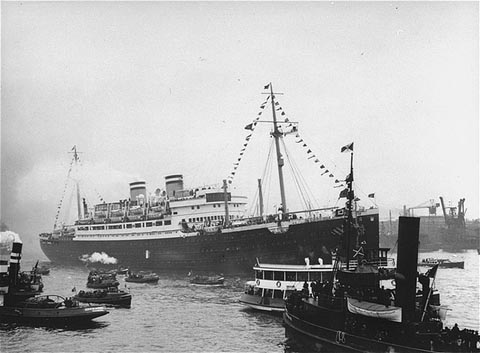
Captain Schröder went to great lengths to ensure dignified treatment for his passengers. Food served included items subject to rationing in Germany, and childcare was available while parents dined. Dances and concerts were put on and on Friday evenings, religious services were held in the dining room. A bust of Hitler was covered by a tablecloth. Swimming lessons took place in the pool. Lothar Molton, a boy traveling with his parents, said that the passengers thought of it as ‘a vacation cruise to freedom’.
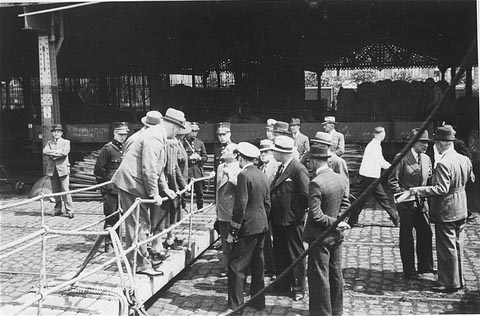
Of the 620 passengers who returned to continental Europe, it was determined that 87 were able to emigrate before Germany invaded western Europe on May 10, 1940; 254 passengers in Belgium, France and the Netherlands after that date died during the Holocaust. Most of these people were murdered in the killing centers of Auschwitz and Sobibór; the rest died in internment camps, in hiding or attempting to evade the Nazis. 365 of the 620 passengers who returned to continental Europe survived the war. Of the 288 passengers sent to Britain, the vast majority were alive at war’s end.
Most notable historic snippets or facts extracted from the book ‘On This Day’ first published in 1992 by Octopus Publishing Group Ltd, London, as well as additional supplementary information extracted from Wikipedia.
HAVE YOUR SAY
Like our Facebook page, follow us on Twitter and Instagram