
Premier salutes amakhosi in Umbumbulu
KZN PREMIER Senzo Mchunu paid tribute to traditional leaders of Umbumbulu for promoting peace and stability in the area at a peace and reconciliation gathering attended by more than 5,000 people on Sunday, 27 October.
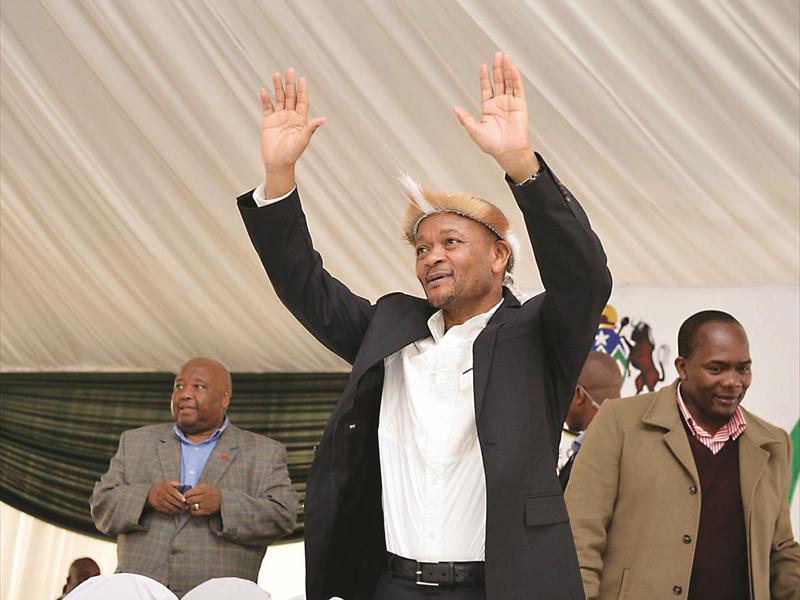
The initiative involved more than 10 traditional leaders and their communities who were once involved in political violence.
“KZN was once ravaged by political violence, with Umbumbulu being the hardest hit. Political violence, according to some sources, claimed 20,000 lives between 1984 and 1987. Despite ushering in a free and democratic country in April 1994, violence continued. About 1,600 are estimated to have been killed in political violence in the province in 1994 and 837 were killed in 1995. More than 500,000 people of Umbumbulu, KwaMakhutha, Malukazi, eZimbokodweni, Adams Mission, Folweni and surrounding areas were displaced from their homes.These statistics show political violence weighed heavily in KZN. The conflict between IFP and ANC threatened to plunge the country into full-scale civil war and to devour the post-apartheid peace process.”
According to Mchunu, improving people's lives in rural areas was more challenging.
“Traditional leaders have an important role to play in this effort. We call on all traditional leaders in KZN to join with us in these efforts. We appeal to them to take active part in the rural development projects being introduced.The government is determined to improve the conditions of traditional leaders. Though this may take some years to achieve, we want to make sure that they lead a lifestyle which respectable leaders of their stature deserve. We want to ensure that they can play their role as community leaders without political interference.”
“I want to salute Amakhosi who are here today for their commitment towards peace and reconciliation. It is through their efforts this province is closer to lasting peace than it has ever been in the last 30 years. Amakhosi are saying the time for political violence is over and never again should the brothers and sisters of Umbumbulu go to war against each other. Following in the footsteps of the people of Umbumbulu, we need to participate in this process of national healing and reconciliation. We have to recognise that we have wounded ourselves through political intolerance and that we cannot afford to go down this path again.”