
Bird of the week: Black-winged lapwing
Food preference are insects, molluscs, earthworms and other invertebrates.
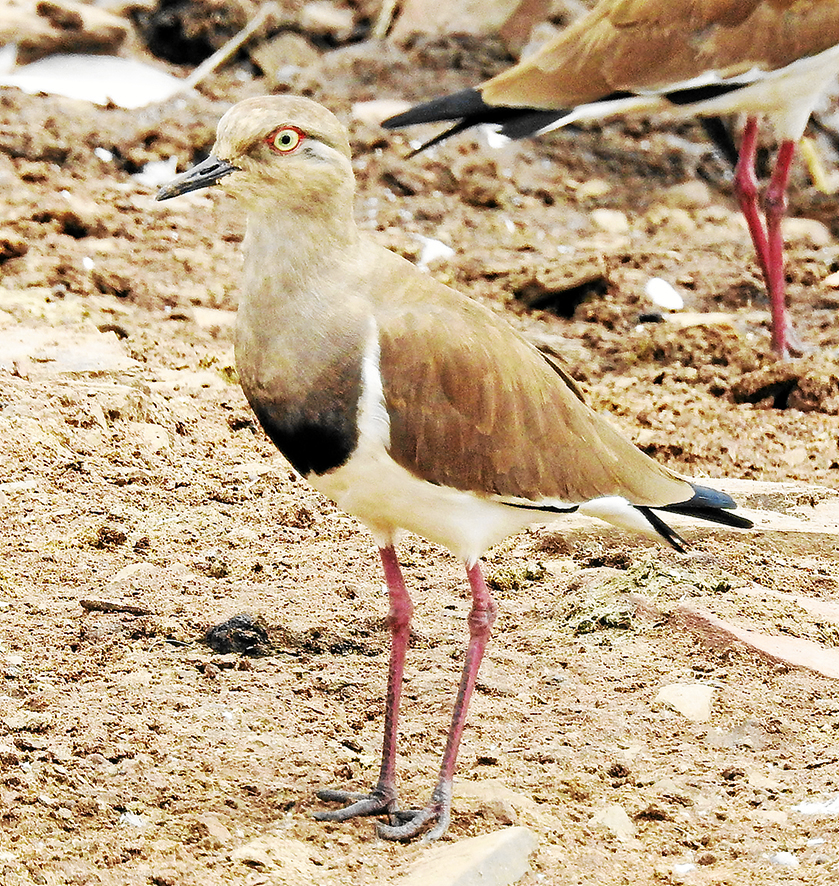
A fairly common breeding migrant from Port Elizabeth northwards over most of KZN as far as the escarpment of Mpumalanga.
Their movements are irregular and sometimes temporary residents in one area.
Gregarious even when breeding in groups of four to 20 birds. They are shy and unobtrusive, but noisy when breeding. Dive bombs intruders near their nests. They forage by running in short spurts, stopping to peck the ground.
They favour burnt grassland or short grass, fallow lands, pastures, airfields and playing fields. Food preference are insects, molluscs, earthworms and other invertebrates.
These lapwings bob when alarmed and have a shrill piping call rising in pitch with a last drawn out note ti – tirree or titi – tirree.
Breeding is from July until November. The nest is a scrape in the soil, usually thickly lined with bits of earth, dry plant fragments or grass blades.
Three eggs on average are laid, the colour is deep khaki or greenish khaki with black spots. The incubation is 24 to 25 days. Fledgling is attended by both parents for about two months.
The Zulu name is iTithoye and in Afrikaans die Grootswartvlerkkiewiet.