Beach safety tips for the summer holidays
When deciding which beach to swim at, take into account that not all beaches are swimming beaches and there may not be lifeguards on duty.
WITH the holidays upon us, the National Sea Rescue Institute (NSRI) has compiled a list of safety tips for those who will be cooling off at sea, swimming pools and other large bodies of water.
Also read: The benefits of swimming lessons for your child
Swim at beaches where and when lifeguards are on duty
Lifeguards are only on duty at selected beaches. The times that they are on duty vary from beach to beach so it’s important to find out local information about when they will be on duty. Listen to the lifeguards’ advice and talk to them about safety on the beach that you are visiting. If lifeguards are not on duty, do not swim. And do not ever be tempted to swim at an unfamiliar or deserted beach while on a road trip.
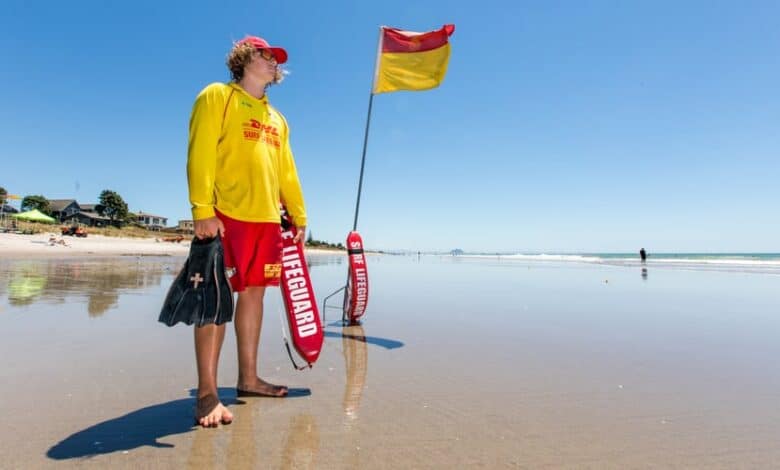
Swim between the lifeguard flags
If you swim between the lifeguard flags, the lifeguards will be watching you very carefully and can help if there is a problem. Just wave your arm if you need help. Share this information with your grown children and never leave minors unsupervised.
Do not drink alcohol and then swim
Being physically impaired in water is very dangerous, as you will be more inclined to take risks you normally would not. You could pass out or injure yourself and drown.
Do not swim alone
If you are with a buddy while swimming, there is someone who can call for help if you need it and are unable to wave to the lifeguards or call for help yourself.
Avoid attempting a rescue yourself
If you see someone in difficulty, call a lifeguard at once or dial the nearest NSRI station or 112 from your cellphone. After calling for help, try and throw something that floats to the person in difficulty. If there is a Pink Rescue Buoy nearby, this can be used as flotation until help arrives. If you do ever attempt a bystander rescue, do so only if you can swim and can take flotation with you.
Beware of inflatable tubes, boats and toys
Lightweight inflatables should not be used at the beach or on dams where currents and wind can blow them – and the person on them – offshore. They are extremely dangerous, and should only be used where intended i.e. a swimming pool, and only under adult supervision.
Do not be distracted by your cellphone or social media
While you are looking after children in or near water, you need to focus on them and nothing else. Adults who are supervising children should not be distracted by their cellphones. It is impossible to concentrate on children in the water and be on your phone at the same time. Remember, drowning is silent.
Adult supervision and barriers to water are vital
Adults who are supervising children in or near water must be able to swim. Children should not be able to get through or over pool fences. Only use child-safe pool fences and child-safe pool covers or nets.
Dial 112 in the event of an emergency.

Do you have more information pertaining to this story? Feel free to let us know by commenting on our Facebook page or you can contact our newsroom on 031 903 2341 and speak to a journalist.