
How to keep your pets cool and prevent heatstroke
With summer in full swing, pet owners should become vigilant of their furry friends to ensure they stay cool and safe this summer.
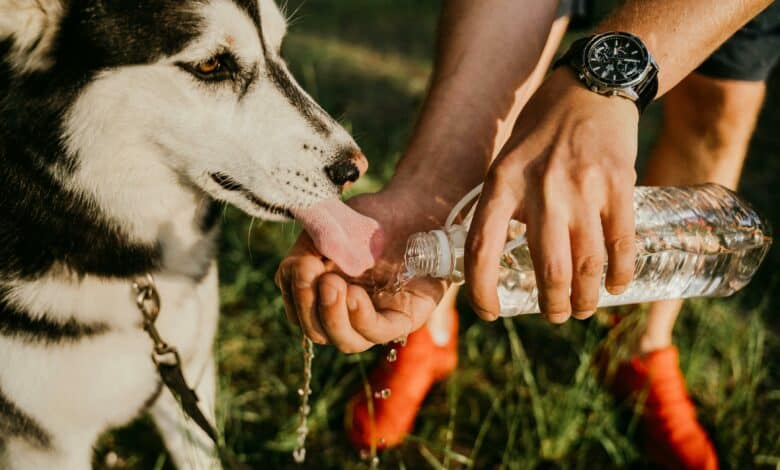
AS the temperatures rise, it’s not just humans who are at risk for heatstroke, pets are just as susceptible. Exercising in hot temperatures above 27°C, insufficient access to water or leaving your pet in a hot vehicle can result in quick overheating and even fatal heatstrokes for your pets.
The key to safety for your pets during these warm months is recognising the symptoms and, in that way, preventing distress.
Also read: Surviving the heat: How to stay cool in hot weather
What is heatstroke?
Heatstroke occurs when a pet’s body temperature rises above normal levels, leading to a cascade of health issues. If left untreated, it can result in irreversible organ damage and even death.
Signs of heatstroke in pets:
Head:
- Disorientation or confusion
- Lethargy
- Anxiety
Body:
- Weakness or exhaustion
- Racing heart rate
- Seizures
- Noticeably radiating heat
Mouth:
- Dry mouth
- Excessive panting
- Bright red gums
Legs:
- Wobbly movements
- Unsteady gait
- Collapsing
Stomach:
- Vomiting or diarrhoea
- Dark-colored urine
- Loss of appetite
How to prevent heatstroke in pets
- Limit time outdoors: Keep pets indoors during peak heat hours and avoid extended exposure to direct sunlight.
- Never leave pets in a hot car: Temperatures inside vehicles can skyrocket in minutes, even with windows slightly open.
- Provide water and shade: Always make sure your pets have access to fresh water and a shaded area when outside.
- Restrict exercise: Avoid vigorous activities during hot weather, especially midday. Opt for early morning or late evening walks.
- Stay off hot tar: Pavements can burn your pet’s paws and radiate heat, magnifying their body temperature.
- Avoid shaving your pet: A pet’s fur naturally protects them from heat. They lose this natural barrier when they are shaved.
When to seek emergency care
If your pet shows any signs of heatstroke, move them to a cool area immediately and provide small amounts of water. Do not use ice-cold water because this can cause shock. Contact a veterinarian immediately, as early treatment can save your pet’s life.

Do you have more information pertaining to this story? Feel free to let us know by commenting on our Facebook page or you can contact our newsroom on 031 903 2341 and speak to a journalist.