Only swim at lifeguarded beaches this festive season
Most of the drownings occur at beaches without lifeguards which makes it difficult for the victims to get help.
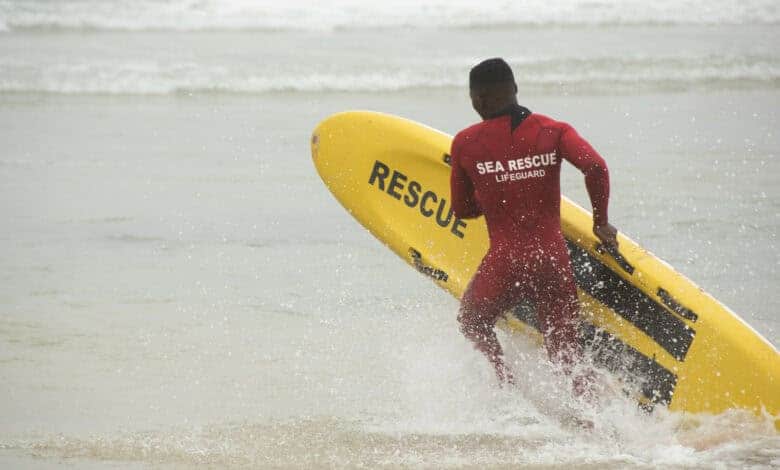
SWIMMING at the beach and in public pools can be a lot of fun, especially during the festive season. As a result, many people tend to spend their holidays near water, be it the beach or a pool.
However, beach safety must be prioritised all the time. Following many drowning incidents on The Bluff and on the South Coast, the National Sea Rescue Institute (NSRI) has urged bathers and swimmers to exercise precautionary measures when swimming at the beach.
Also read: The benefits of swimming lessons for your child
The NSRI appealed to bathers to only swim at lifeguarded beaches
According to the NSRI an average of 56 people drown because of rip currents in South Africa each year. Rips are the most significant danger visitors to our beaches face.
On November 19, a teenager from uMlazi drowned at the Brighton Beach when he swam with his friends in an area without lifeguard supervision
Prior to this, another teenager, a 14-year-old boy died after he drowned at the Merewent Swimming Pool on November 20. It is alleged that he was playing with other boys when they accidentally jumped on top of him resulting in a neck injury.
In June this year, one person drowned after a commercial fishing vessel, capsized at the backline surf zone at Umgababa Main Beach, between Scottburgh and Amanzimtoti. There were reportedly four local adult men on the boat when it capsized. Only three of the men were rescued.
“Our top tip for avoiding rips and staying safe as the holidays start this season is visiting a beach where and when lifeguards are on duty,” read a statement.
Also read: 12 Home swimming pool safety advice for all parents
Advice for staying safe at the beach
NSRI lifeguard manager, Mthe Kweyama, offered some advice on staying safe at the beach during the summer holidays.
In a statement, Mathe warned the public not to consume alcohol before going to the beach.
“Alcohol and going into the water should be avoided at all costs. Swimming after consuming alcohol puts your life at significant risk. Alcohol compromises your judgment, lessens your ability to cope with cold water, reduces your ability to stay afloat and reduces your ability to concentrate. If parents or caregivers are looking after children in or near water, drinking alcohol will reduce their ability to be able to help their children if the need arises,” said Mathe.
Most people need help to correctly identify dangerous or rip currents at beaches
According to the NSRI, rip currents are powerful, narrow channels of fast-moving water that flow away from the shore, posing a significant danger to beachgoers. They typically form where waves break over sandbars or reefs, creating localised water movements that pull swimmers out to sea.
“Rip currents can reach almost three meters per second, making them faster than an Olympic swimmer. They develop when waves push water towards the shore, raising the water level. This excess water then seeks to return to the ocean through the path of least resistance, often forming a current through gaps in sandbars or other underwater features.”
Also read: Stay safe in the water this summer with these safety tips
Several visual cues identify rip currents:
- Darker water indicates deeper channels where waves do not break.
- Gaps between waves: Areas where fewer or no waves are breaking can signal a rip current.
- Choppy surface: A distinct channel of turbulent water surrounded by smoother areas.
“Rip currents are the leading cause of rescues by lifeguards at beaches. They do not pull individuals under the water but can quickly drag them away from the beach. Panic often leads swimmers to swim against the current, which can result in exhaustion and drowning.”
What to do if you are caught in a rip current?
- Stay calm
- Do not panic; conserve energy by floating.
- Swim out of the current: Instead of swimming directly back to land, swim sideways to escape the current’s grip.
- Signal for help: Raise your arm and shout for assistance if needed.
For help, call a lifeguard or the NSRI for help, or call an emergency number 112 – a free call from your cell phone, or contact the NSRI Emergency Operations Centre on 087 094 9774.

Do you have more information pertaining to this story? Feel free to let us know by commenting on our Facebook page or you can contact our newsroom on 031 903 2341 and speak to a journalist.