
Concerns raised about consequences of taxi strike
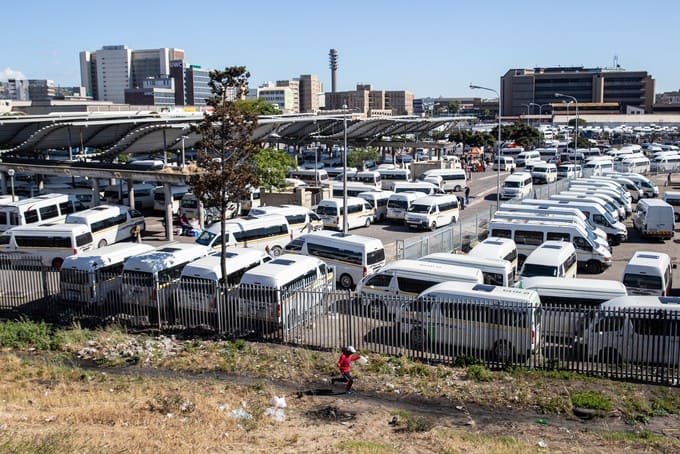
The taxi strike has ended after a day-long standstill, stranding commuters and wreaking havoc on small businesses and employees.
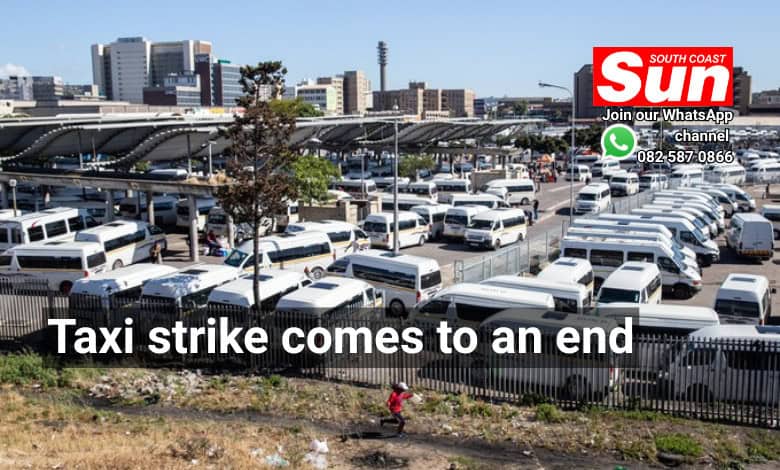
WITH the city-wide taxi shutdown ending yesterday evening (September 4) after KZN transport officials and taxi councils came to an agreement, its effects are still being felt.
Palesa Phili, CEO of the Durban Chamber of Commerce and Industry NPC, expressed deep concerns about the strike.
Also read: Taxi strike hurts commuters
She said that the chamber believes the disruption to transport services has had a significant impact, not only on employees reliant on public transport, but also on business operations.
“Although the full extent of losses is still to be determined, staff shortages, hampered productivity, and lost income for both employees and businesses are a major concern,” said Phili.
Many community members, however, shared the sentiment that the absence of taxis on the roads allowed for free-flowing traffic.
One social media commenter said, “They should stay on strike. It’s safer for everyone and pleasant to drive,” while another said, “I didn’t hear any hooting, didn’t see any red robot jumping or parking in the road. Traffic flow was smooth. Santaco should strike more often.”
Others were pragmatic and raised concerns. One Facebook user said, “It may have been more peaceful, but do you lot even understand what it does for the economy. Working class people couldn’t get to work, missed wages, disciplinary actions, stores closed, business lost.”

Do you have more information pertaining to this story? Feel free to let us know by commenting on our Facebook page or you can contact our newsroom on 031 903 2341 and speak to a journalist.